


Оборудование системы управления
Control Core Equipment
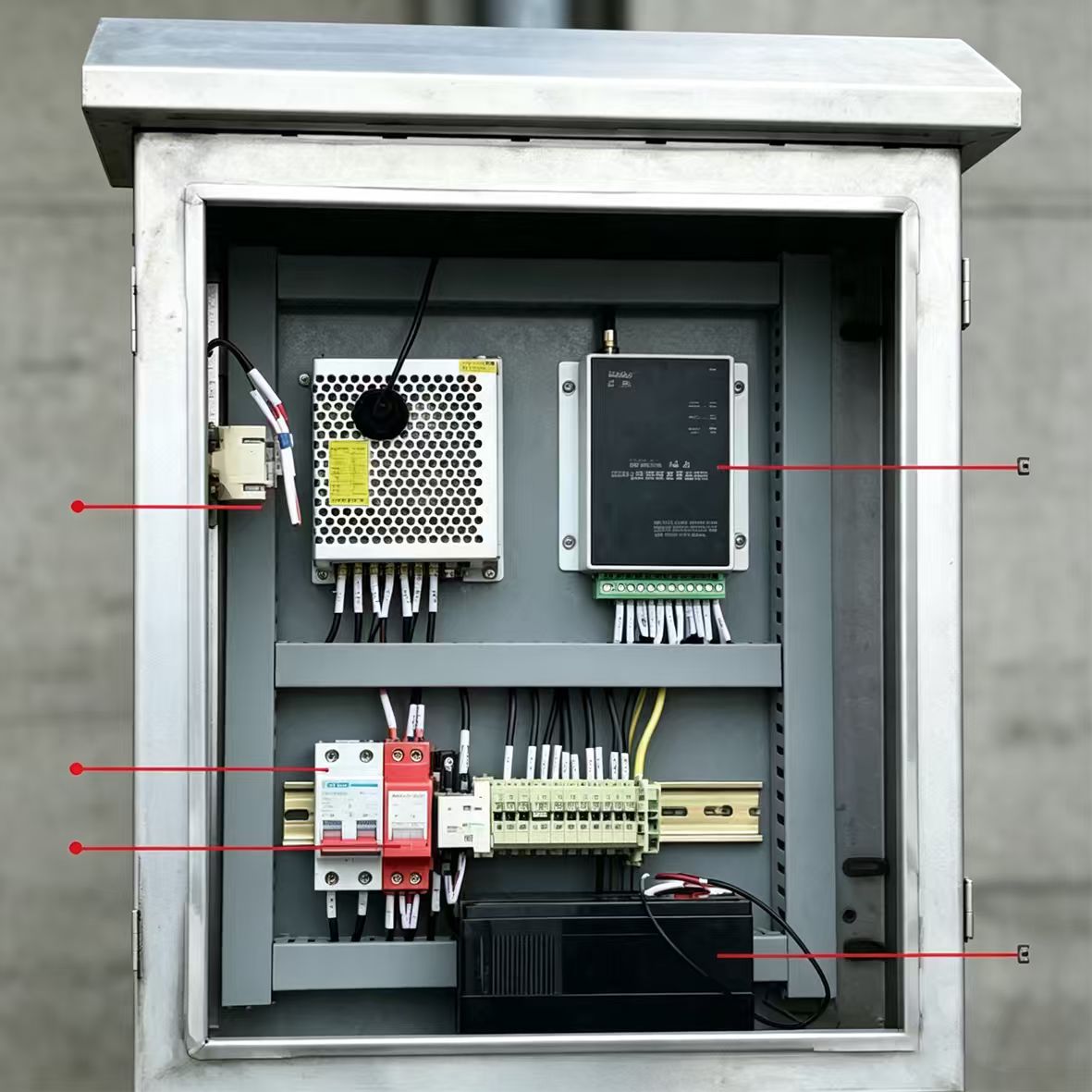
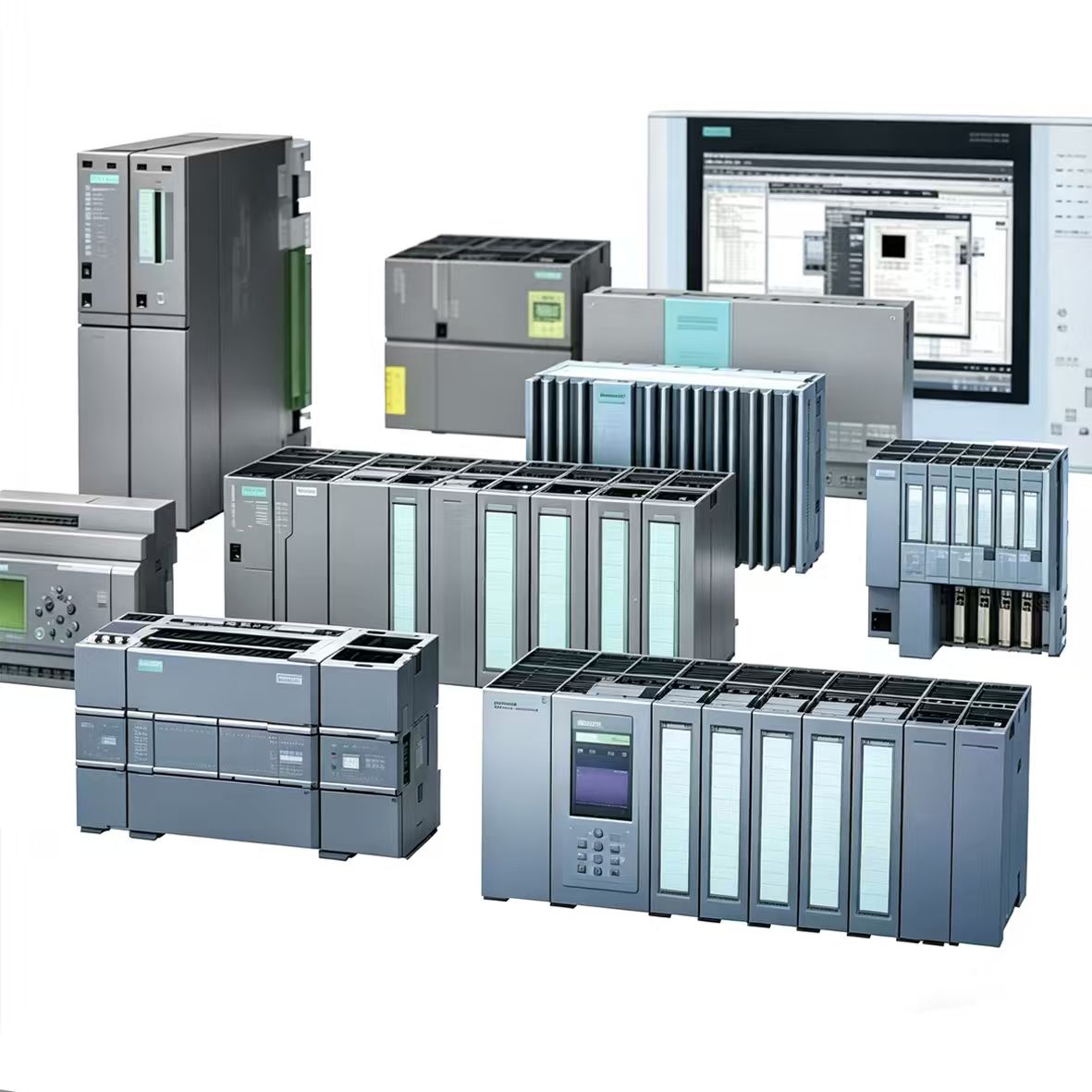
Medium-sized PLC (such as Inovance H3U, Siemens S7-1500 compatible models), DCS controller (such as SUPCON ECS-700), small-sized PLC (Delta DVP, Mitsubishi FX compatible models), inverter controller (Inovance, Invt series).Collection & Execution Equipment
High-precision sensors, intelligent transmitters, explosion-proof solenoid valves, high-temperature/low-temperature resistant actuators, industrial relays, adapting to different working condition needs.Interaction & Communication Equipment
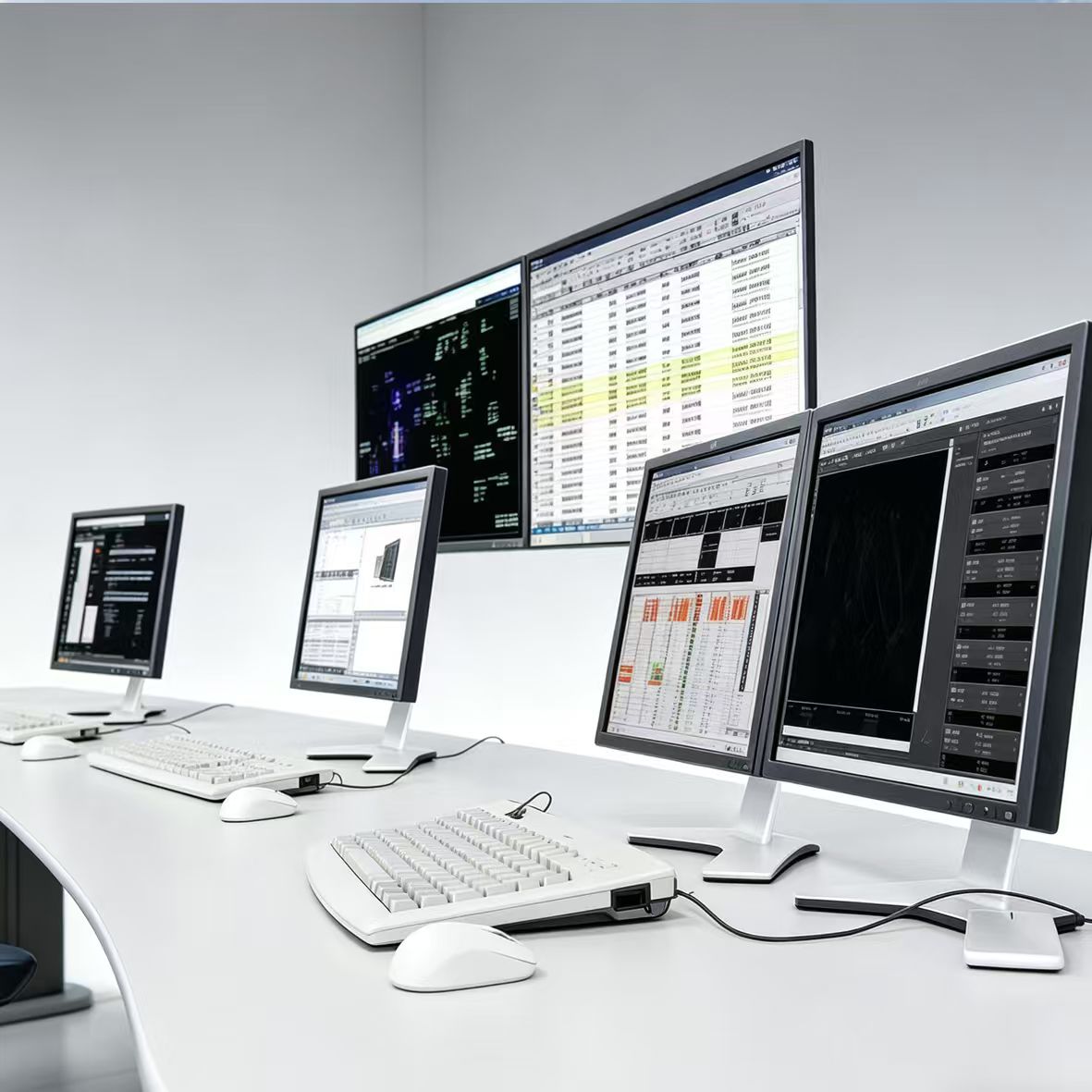
Intelligent HMI touch screen, industrial-grade communication module, shielded cable, Remote Terminal Unit (RTU), ensuring convenient interaction and stable communication.According to different operation needs, the control logic can be customized to realize sequence control, logic control and closed-loop regulation, adapting to the regulation needs of different equipment such as service rigs and pipelines, supporting online programming, commissioning and modification. High-temperature explosion-proof technology: Adopting explosion-proof shell and sand-dust proof sealing structure, adapting to 55℃ desert working conditions in the Middle East; Low-temperature resistant technology: Adopting low-temperature components and thermal insulation design, adapting to -45℃ extreme cold environment in Russia, extending equipment service life. Realize stepless speed regulation of equipment by adjusting frequency, optimize motor operation efficiency, save energy and reduce consumption, and have overload, overcurrent and overheating protection functions, adapting to precise regulation of service rig winches, mud pumps and other equipment. Integrate SCADA system and RTU remote terminal to realize remote collection, monitoring and fault early warning of equipment operation parameters, adapting to unattended scenarios of remote oil and gas fields in Russia and large-scale oilfields in the Middle East, supporting data storage and analysis. Adopting shielded cables and filtering technology to suppress electromagnetic interference in industrial sites, ensuring stable signal transmission; Redundant design technology to avoid the paralysis of the entire system caused by a single point of failure, improving system reliability.
Product Introduction
Control System Equipment is the core regulation equipment in industrial production, oil and gas operations and other scenarios. Its core function is to collect equipment operation parameters, realize automatic control, monitor abnormal working conditions and issue early warnings. It is widely supporting service rigs, oil and gas pipelines, chemical plants, etc., especially suitable for the operation needs of oil and gas producing areas such as the Middle East, Russia and Tanzania, and is the “brain” to ensure operational safety and improve efficiency.
Types and Characteristics of Equipment
Type
Control system equipment is classified according to function, structure and application scenarios. Different types are suitable for different working conditions. The core classification and characteristics are as follows (Chinese-English comparison):
Characteristics: Small size, strong flexibility, high reliability, can be programmed according to needs to realize logic control and sequence control, suitable for small and medium-sized control scenarios (such as small and medium-sized service rigs, single equipment regulation), divided into small, medium and large types, widely used in conventional operation scenarios in Tanzania and the Middle East, easy to program and maintain, supporting multiple industrial communication protocols. Characteristics: Adopting distributed structure, multiple controllers work together, with high control precision and strong anti-interference ability, suitable for large-scale and complex working conditions (such as oil and gas gathering stations, refining plants), widely used in large-scale oil and gas projects in the Middle East and chemical plants in Russia, and can realize centralized monitoring and distributed control of multiple equipment and multiple parameters, with redundant design to ensure uninterrupted operation. Characteristics: With remote monitoring, data acquisition and fault early warning functions, it can realize long-distance and large-scale equipment management and control (such as long-distance oil and gas pipelines, oilfield cluster operations), widely used in remote oil and gas fields in Siberia, Russia and large-scale oilfields in the Middle East, supporting remote data transmission, storage and analysis, suitable for unattended scenarios. Characteristics: Control equipment speed by adjusting frequency to achieve energy saving and precise speed regulation, suitable for scenarios requiring stepless speed regulation (such as service rig winches, mud pumps), widely supporting high-temperature and high-pressure service rigs in the Middle East and low-temperature service rigs in Russia, with high temperature resistance, low temperature resistance and overload resistance characteristics, which can optimize equipment operation efficiency. Characteristics: As an interactive terminal between operators and control systems, it is divided into simple touch screens and high-end operation panels, which can intuitively display equipment operation parameters and fault information, support manual operation and parameter setting, and adapt to various control systems. Simple models are mostly used for economical equipment in Tanzania, and intelligent touch models are supporting high-end equipment in the Middle East and Russia.Features
Simple structure, low cost, convenient operation, no need for complex debugging, with basic control functions, suitable for mid-to-low-end scenarios such as small and medium-sized service rigs and mines in Tanzania, easy to maintain and low power consumption.
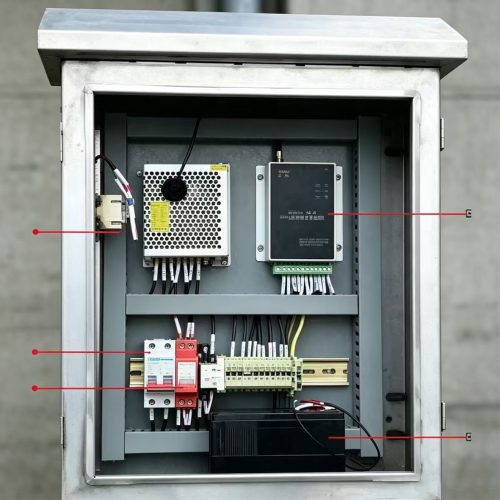
Оборудование системы управления
Automates and regulates industrial equipment operation.
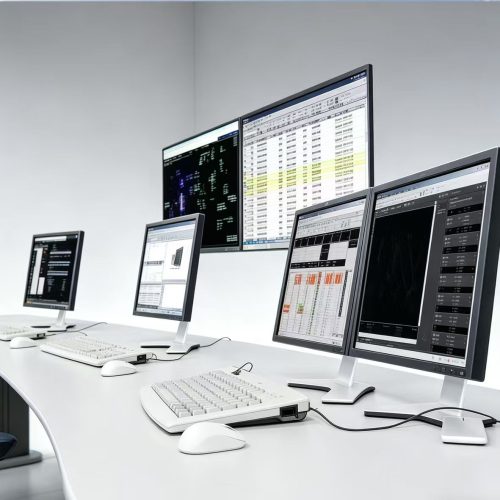
Оборудование системы управления
Ensures stable and precise process control.
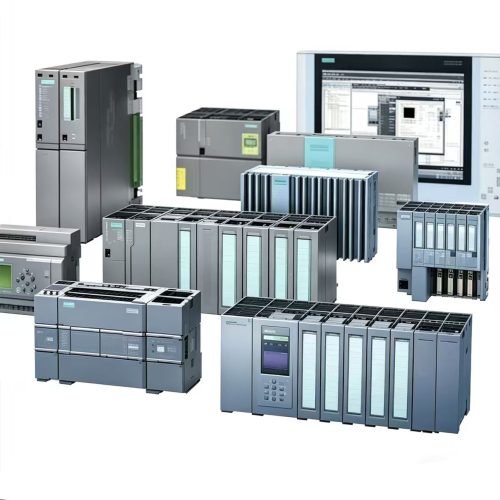
Оборудование системы управления
Improves safety and production efficiency.
Basic Principles and System Composition
Basic Working Principle
The core principle of control system equipment is the closed-loop cycle of "collection → analysis → regulation → feedback", which is as follows (Chinese-English comparison): Collection: Collect equipment operation parameters (such as pressure, temperature, flow, speed) and on-site working condition data through sensors and transmitters, and convert them into standard electrical signals (4-20mA); Analysis: The controller (PLC/DCS, etc.) receives the electrical signal, and combines preset parameters and control logic to analyze and judge whether the operation state is normal and identify abnormal working conditions; Regulation: When the parameters exceed the preset range or an abnormality occurs, the controller issues instructions to adjust the equipment operation state through actuators (such as inverters, valves) to ensure the parameters are stable within a reasonable range; Feedback: The adjusted data is collected and analyzed again to form a closed loop, continuously optimizing the equipment operation state, and at the same time, the operation parameters and fault information are fed back to the human-machine interface for operators to view.
Overall System Composition
Core components: Sensors, transmitters (pressure, temperature, flow transmitters, etc.), responsible for collecting on-site working conditions and equipment operation parameters, converting physical quantities into identifiable electrical signals, which are the data source of the control system. Core components: PLC, DCS controller, single-chip microcomputer, which is the "core brain" of the control system, responsible for receiving and analyzing the collected signals, executing preset logic, issuing regulation instructions, and realizing automatic control. Core components: Inverters, solenoid valves, relays, motors, responsible for receiving instructions from the control unit, executing specific regulation actions (such as adjusting speed, opening and closing valves), and changing the equipment operation state. Core components: HMI human-machine interface, operation buttons, indicator lights, responsible for the interaction between operators and the control system, displaying operation parameters and fault information, and receiving manual instructions from operators (such as parameter setting, manual start and stop). Core components: Communication modules, network cables, shielded cables, responsible for data transmission between each unit and between the control system and external equipment (such as remote monitoring centers), supporting Modbus, Profinet and other industrial communication protocols to ensure stable and interference-free signals.
Basic Principles and System Composition
The operation process of control system equipment is carried out around "installation → commissioning → operation → maintenance → calibration". The standardized process ensures the stable and accurate operation of the system, as follows. Select the appropriate type and model of control system according to the application scenario (such as service rig, pipeline), inspect the integrity of the equipment appearance and core components (controller, sensor, HMI); prepare installation tools, seals and shielded cables, confirm the installation position (away from high temperature, strong electromagnetic interference and sandy areas), and make preparations for explosion-proof and thermal insulation (alpine scenarios) protection. Fix the controller, HMI human-machine interface, sensors and actuators to ensure firm installation; connect the cables of each unit (communication line, power line), standardize wiring, and ground the shielding layer to avoid electromagnetic interference; install explosion-proof, dust-proof and thermal insulation components to adapt to on-site working conditions (such as adding sand shields in Middle East deserts and thermal insulation shells in alpine regions of Russia). Turn on the power, start the control system, and check the operation status of each unit (HMI display, sensor collection, actuator action); program and set control logic and preset parameters (such as pressure and temperature thresholds), and link supporting equipment (such as service rigs, valves) for commissioning; calibrate sensors and transmitters to ensure accurate collected data, in-place execution of regulation instructions, and test communication stability. When the control system is in normal operation, real-time monitor the equipment operation parameters and system status through the HMI interface to confirm that the parameters are within the preset range; the remote monitoring system (such as SCADA) receives data in real time, timely finds abnormalities (such as sudden parameter changes, communication interruptions, equipment failures), issues early warning signals, and operators timely troubleshoot faults (such as loose wiring, damaged sensors). Regularly clean the equipment surface, sensors and HMI interface to prevent sand dust and medium adhesion from affecting operation; inspect cables and seals, and replace damaged components in time; regularly back up control programs and operation data to avoid program loss; perform heat dissipation maintenance on controllers and inverters to ensure stable operation of equipment, and record maintenance logs. Conduct a comprehensive calibration of sensors and transmitters every 6-12 months to ensure the collection precision meets the standard; upgrade the control program and optimize the control logic according to operation needs; replace aging components to improve system performance and adapt to changes in working conditions (such as parameter adjustment after the production capacity improvement of Middle East oilfields).

Многоязычная поддержка
Многоязычная профессиональная поддержка в сфере внешней торговли

Комплексные логистические услуги
Полный спектр логистических услуг, включая таможенное оформление и организацию доставки.

Полный комплект экспортной документации
Полный комплект экспортной документации: протоколы инспекции и т.д.

Превосходная своевременная доставка
Гарантированная своевременная доставка благодаря эффективному управлению производством и логистикой.

Послепродажное обслуживание и техническая поддержка
Своевременное послепродажное и техническое обслуживание зарубежных клиентов.