



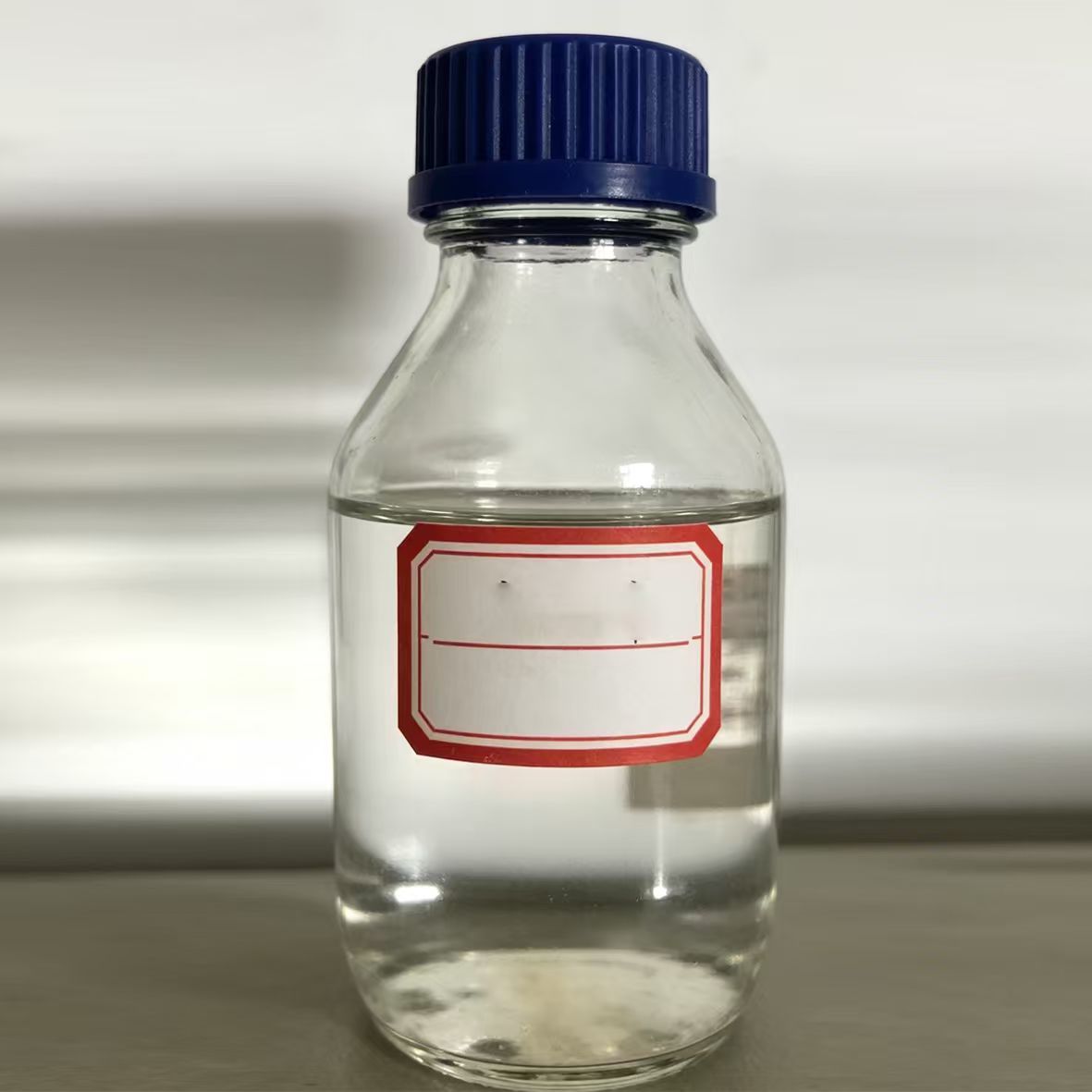
Нафта
The core equipment in the process of naphtha production, storage, transportation and application directly determines product quality, production efficiency and operation safety.
Core technologies focus on the production efficiency, product quality, safety guarantee and working condition adaptation of naphtha.
Product Introduction
Naphtha, also known as crude gasoline, is a light petroleum fraction mainly derived from crude oil distillation and cracking processes. It is a core basic raw material in the petrochemical industry, widely used in the production of ethylene, propylene, aromatics and other products, and can also be used as solvents, fuels, etc. It is suitable for petrochemical, refining and other scenarios in regions such as the Middle East, Russia and Tanzania. This article details its types and characteristics, basic principles, system composition, core equipment and technologies, and operation processes, with Chinese-English comparison throughout to ensure professionalism and standardization.
Types and Characteristics of Equipment
Type
Naphtha can be divided into different types according to its source, distillation range and purpose. Each type of product has distinct characteristics and is suitable for different industrial needs, as follows (Chinese-English comparison):
Classified by Source
Characteristics: Obtained by direct distillation of crude oil, with a distillation range of usually 80℃-180℃, low sulfur content (≤0.05%), few impurities and stable properties. It is a high-quality raw material for the production of ethylene and aromatics, and is mainly used in large refineries in the Middle East and Russia. Characteristics: Derived from secondary processing processes such as catalytic cracking and thermal cracking, with a wide distillation range (60℃-220℃), high sulfur content (0.1%-0.5%), and contains more unsaturated hydrocarbons. It can be used for blending gasoline or further refined into chemical raw materials, and is widely used in small and medium-sized refineries in regions such as Tanzania.Classified by Distillation Range
Characteristics: Distillation range of 80℃-140℃, high alkane content and low octane number. It is mainly used for the production of olefin products such as ethylene and propylene, and is a core raw material in the petrochemical industry. Most ethylene plants in the Middle East use light naphtha as feedstock.
Characteristics: Distillation range of 140℃-200℃, high aromatic content and high octane number. It can be used for the production of aromatic products such as benzene, toluene and xylene, and can also blend gasoline. It is mainly used in aromatic plants in Russia and the Middle East.Features
Properties: Colorless or light yellow transparent liquid, volatile and flammable, density of 0.75-0.85g/cm³, boiling range of 60℃-220℃, insoluble in water, soluble in organic solvents such as ethanol and acetone. Chemical Properties: Mainly composed of alkanes and cycloalkanes, a small amount of aromatics and unsaturated hydrocarbons, with good chemical stability. It can undergo oxidation, cracking, isomerization and other reactions, and is an important raw material for chemical reactions. Safety: Flammable and volatile, its vapor can form an explosive mixture with air, which is prone to explosion when exposed to open flames and high temperatures. It needs to be stored in a sealed manner, away from fire sources, and explosion-proof and ventilation measures should be taken during operation.
Нафта
Naphtha is a versatile hydrocarbon mixture widely used as feedstock in petrochemical processes and solvent applications.
Basic Principles and System Composition
Basic Working Principle
The core relevant principles of naphtha mainly include two parts: production principle and application principle, as follows : Production Principle: Naphtha is mainly produced through crude oil distillation process. The core is to use the different boiling points of each component in crude oil to separate crude oil into different fractions such as naphtha, gasoline and diesel through heating and rectification; cracked naphtha is to crack heavy hydrocarbons into light naphtha fractions through catalytic cracking, thermal cracking and other processes to meet different application needs. Application Principle: When used as a chemical raw material, it uses components such as alkanes and cycloalkanes in naphtha to generate olefins such as ethylene and propylene through cracking reaction, or generate aromatics through reforming reaction; when used as a solvent, it uses its good solubility to dissolve substances such as grease and resin; when used as a fuel, it uses its flammable characteristics to provide heat energy or power.
Overall System Composition
The production, storage, transportation and application system of naphtha is mainly composed of four core units, which work together to ensure the stable production, safe storage and transportation, and efficient application of naphtha, as follows : Core Function: Complete the extraction or refining of naphtha, mainly including crude oil distillation unit, cracking unit, rectification tower, etc., processing crude oil or heavy hydrocarbons into qualified naphtha products. Core Function: Safely store naphtha, mainly including atmospheric storage tanks, sealed storage tanks, anti-seepage facilities, etc., to prevent naphtha volatilization and leakage, and equipped with cooling and explosion-proof devices to ensure storage safety. Core Function: Transport naphtha from the production unit to the storage unit, or from the storage unit to the application unit (such as ethylene unit, aromatic unit), mainly including transportation pipelines, pumps, valves, etc., to ensure stable transportation and no leakage. Core Function: Realize the resource utilization of naphtha, mainly including ethylene cracking unit, aromatic reforming unit, solvent blending unit, etc. According to different purposes, naphtha is processed into various chemical products, solvents or fuels.
Basic Principles and System Composition
Crude oil pretreatment to remove moisture and impurities in crude oil to ensure crude oil quality; Step 2: Send the pretreated crude oil into the distillation tower, heat to the specified temperature (300℃-400℃), and separate naphtha fractions through rectification; Step 3: If producing cracked naphtha, send heavy hydrocarbons into the cracking unit, and crack into light naphtha under the action of catalyst; Step 4: Send crude naphtha into the rectification tower for refining, remove impurities, adjust fractions, and obtain qualified naphtha products. Send the qualified naphtha into the sealed storage tank through the transfer pump, and check whether the storage tank's sealing performance, safety valve and breathing valve are normal; during storage, control the storage tank temperature (normal temperature, avoid exposure to the sun and low-temperature freezing), and regularly check the storage tank for leakage and corrosion; take explosion-proof and anti-static measures for the storage tank, and strictly prohibit open flames near the storage tank area. According to application needs, start the transfer pump, and transport naphtha from the storage tank to the application unit (such as ethylene cracking furnace, aromatic reforming unit) through a dedicated transportation pipeline; before transportation, check the sealing performance of the transfer pump, valves and pipelines, and discharge the air in the pipelines; during transportation, control the transportation flow and pressure, real-time monitor the pipeline for leakage, and immediately stop transportation and troubleshoot faults if abnormalities are found. Chemical raw material application: Send light naphtha into the ethylene cracking furnace, heat to high temperature (800℃-900℃), and crack to generate olefins such as ethylene and propylene; send heavy naphtha into the aromatic reforming unit, and generate aromatic products through reforming reaction; Solvent application: Blend naphtha in proportion to dissolve substances such as grease and resin, adapting to the needs of chemical, coating and other industries; Fuel application: Blend naphtha into gasoline to improve gasoline octane number, or use it as fuel for small equipment. After the operation, clean the transportation pipelines and equipment, and recover the residual naphtha to a dedicated storage tank to avoid waste and pollution; if naphtha leakage occurs, immediately start emergency measures, cut off the fire source, evacuate personnel, and handle the leakage by adsorption, collection and other methods; waste naphtha must be professionally treated, and it is strictly prohibited to discharge it randomly, complying with environmental protection standards.

Многоязычная поддержка
Многоязычная профессиональная поддержка в сфере внешней торговли

Комплексные логистические услуги
Полный спектр логистических услуг, включая таможенное оформление и организацию доставки.

Полный комплект экспортной документации
Полный комплект экспортной документации: протоколы инспекции и т.д.

Превосходная своевременная доставка
Гарантированная своевременная доставка благодаря эффективному управлению производством и логистикой.

Послепродажное обслуживание и техническая поддержка
Своевременное послепродажное и техническое обслуживание зарубежных клиентов.