



Blowout Preventer (BOP)
Core EquipmentBlowout
preventer housing, core sealing components, hydraulic drive components, locking devices, auxiliary sealing components, connecting components
Core Technologies
Ultra-high pressure sealing technology, corrosion and high temperature resistance technology, hydraulic drive control technology, dynamic sealing technology, emergency sealing technology, quick connection and installation technology
Product Introduction
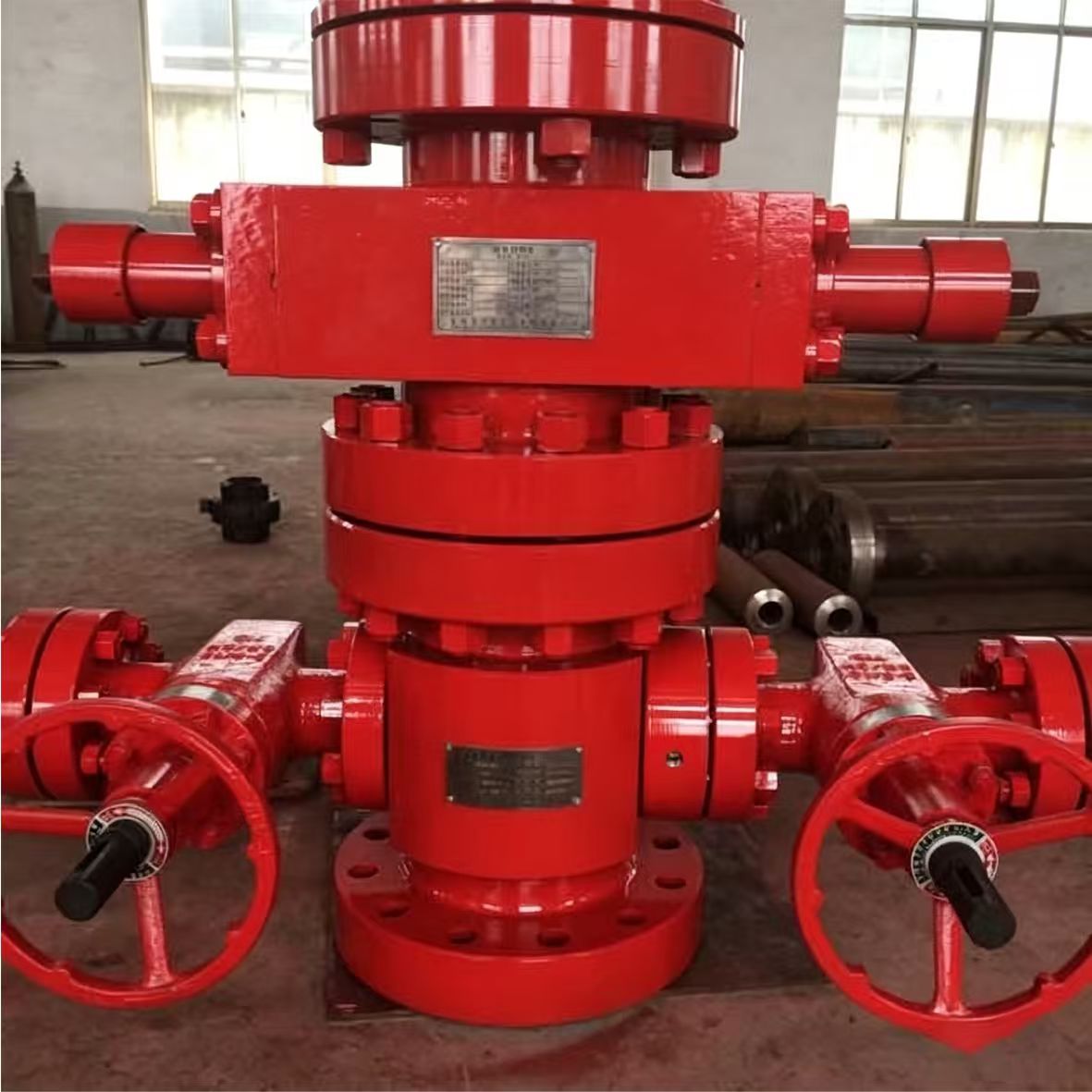
Blowout Preventer (BOP) is a core well control safety device in oil and gas drilling and exploration. Primarily installed at the wellhead, it monitors and controls downhole pressure in real time. In the event of abnormal high-pressure conditions such as overflow or kick, it can quickly close the wellhead and seal the drill string or open hole, effectively preventing blowouts caused by upward surges of high-pressure fluids including oil, gas and drilling mud. Featuring a robust structure, reliable pressure resistance and sealing performance, and rapid response, the BOP adapts to complex geological and drilling conditions. Widely used in onshore and offshore oil and gas drilling, it is critical equipment for ensuring operational safety and avoiding accidents.
Types and Characteristics of Equipment
Type
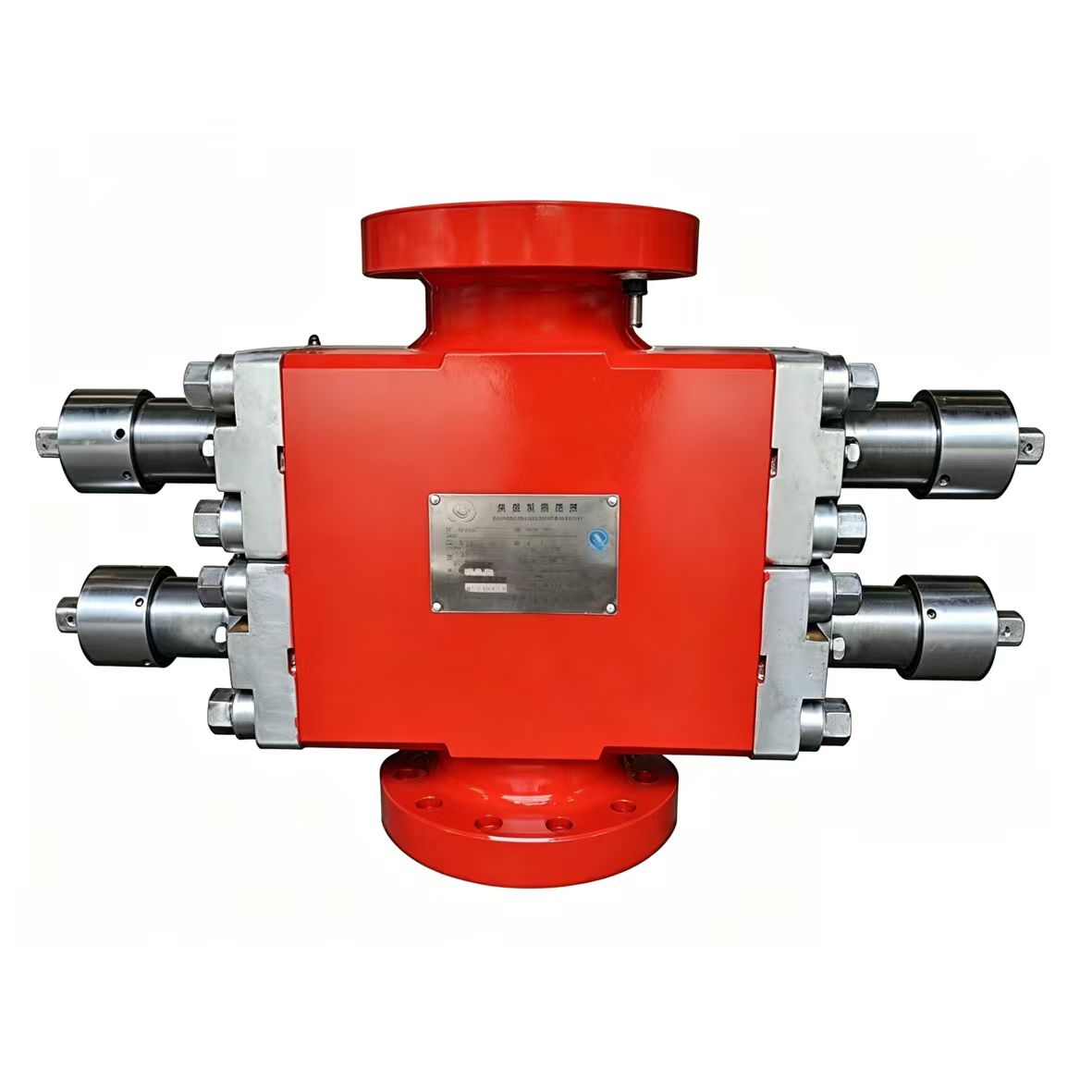
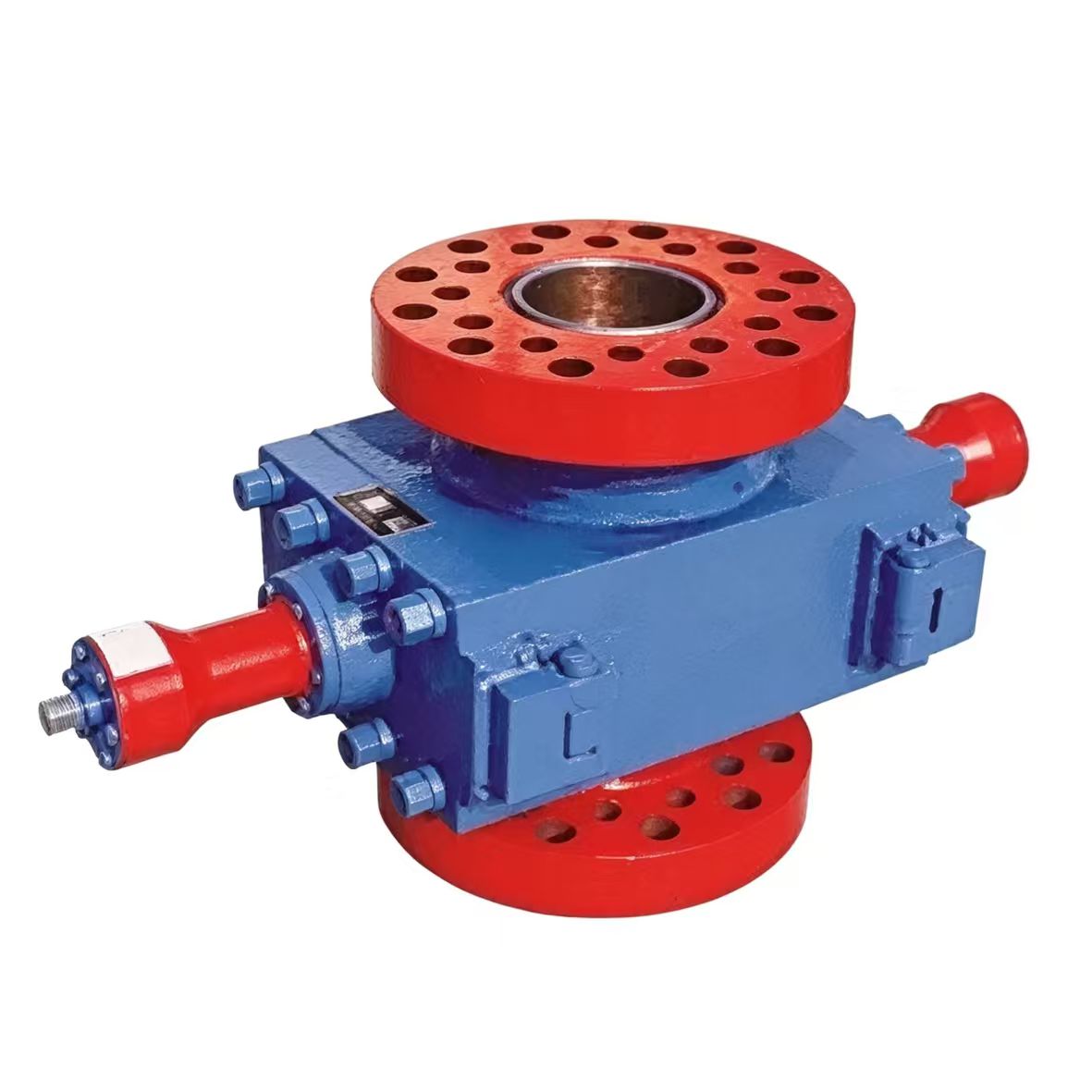
Divided into four major types including pipe ram, blind ram, shear ram and variable bore ram according to ram functions, it can be used alone or combined into single-ram, double-ram and triple-ram BOP stacks. With high pressure resistance and stable sealing, it is suitable for oil and gas wells of different pressure grades on land and at sea, and can realize classified and precise well sealing. It is the main well control equipment exported in batches from China to the Middle East, Tanzania, Russia and other regions.
Features
Features
Classified sealing with strong pertinence, suitable for various operating states such as open holes and drill strings of different specifications;High rated pressure, up to 175MPa at maximum, suitable for extreme working conditions such as high temperature, high pressure and high sulfur content;Equipped with manual + hydraulic double locking devices, mechanically locked after well shut-in to prevent the sealing structure from being pushed open by high pressure;Able to suspend drill strings to meet the on-site construction demand of temporary hovering for downhole operations;Single ram works independently, local faults can be overhauled separately without affecting the operation of the whole BOP stack.
Blowout Preventer (BOP)
Critical wellhead safety device to prevent blowouts
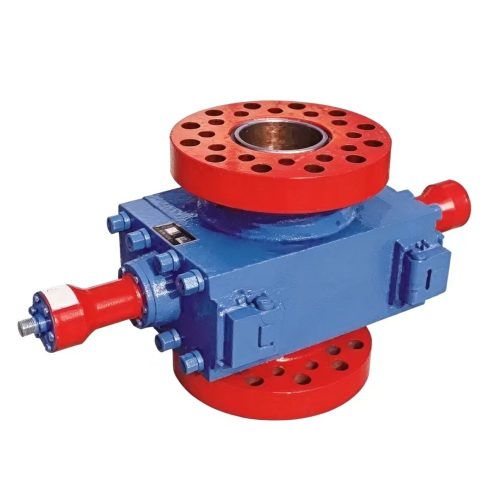
Blowout Preventer (BOP)
Quickly seals wellbore and controls downhole pressure
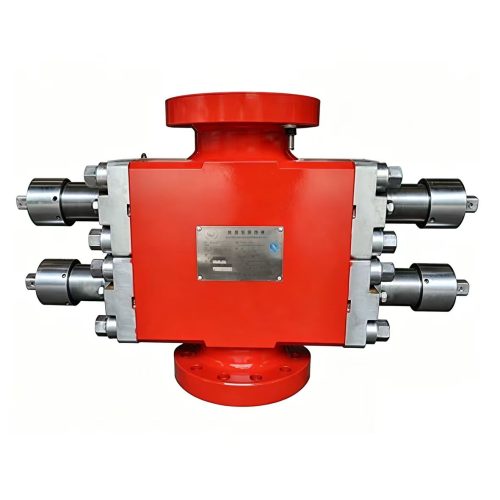
Blowout Preventer (BOP)
Blowout Preventer,BOP
Basic Principles and System Composition
Basic Working Principle
Blowout preventer drives the sealing parts to move radially/transversely through hydraulic pressure to realize the sealing of the wellhead annulus or the annulus between the drill string and the casing: the annular BOP uses hydraulic pressure to push the piston to squeeze the rubber core, and the rubber core shrinks radially to hold the drill string or seal the open hole; the ram BOP uses hydraulic pressure to drive the ram assembly to move transversely, and the sealing ram fits the drill string or seals the wellhead; the rotary BOP compresses the dynamic sealing parts through hydraulic pressure to maintain sealing when the drill string rotates, and at the same time cooperates with the choke/kill manifold to adjust the downhole pressure to realize effective control of the wellhead pressure.
Overall System Composition
Mechanical Structure Unit
Including the shell, piston, ram chamber (for ram blowout preventers) and rubber core chamber (for annular blowout preventers), it serves as the basic load-bearing structure of the equipment and ensures the realization of hydraulic driving and sealing actions.
Hydraulic Drive Unit
Including hydraulic cylinders, oil circuit interfaces and hydraulic pipelines, it receives high-pressure oil from the hydraulic control device and provides power for sealing actions.
Sealing Component Unit
Including the rubber core (for annular type), ram assembly (for ram type) and dynamic sealing ring (for rotary type), it is the core component for wellhead sealing and is adapted to different sealing structures according to equipment types.
Locking Device Unit
Including the manual locking shaft and hydraulic locking mechanism, it mechanically locks the sealing components after well shut-in to prevent the sealing structure from being pushed open by high downhole pressure and ensure sealing stability.
Basic Principles and System Composition
Pre-operation
PreparationDetermine BOP specifications and assembly scheme based on well type and formation pressure, conduct full equipment inspection to replace damaged parts and troubleshoot, put into use after passing individual pressure test, and commission the hydraulic control device to ensure normal operation.
On-site Deployment
Install BOPs and seal fasten with quick-connect flanges, connect oil circuits to the console, bleed air and check tightness, test well opening and closing to confirm normal operation of components and indicators, and connect with manifolds to complete system deployment.
Operation Monitoring & Operation
Keep BOPs in normally open standby with full hydraulic energy storage, monitor downhole pressure and liquid level in real time, and shut in the well immediately if blowout signs appear; conduct regular well shut-in tests to check status and troubleshoot, adjust sealing pressure during pressure operations and implement safety protection.
Emergency Well Shut-in & Unsealing
Issue console commands to shut in the well quickly when blowout risks occur, lock the equipment after shut-in, and conduct well killing with manifolds to rebuild downhole pressure balance if no leakage is found; unlock after well killing, issue commands to open the well for seal reset, and resume drilling after full inspection with no abnormalities found.
Equipment Recovery & Maintenance
Dismantle BOPs and conduct thorough cleaning and descaling after drilling, inspect seals, replace damaged parts and conduct pressure tests on oil circuits and cylinders; perform non-destructive testing on housings, lubricate and calibrate locking devices, conduct re-pressure test after maintenance, and label and store in a moisture-proof manner if qualified.
Related products

Multilingual Support
Multilingual professional foreign trade support

One-stop Logistics
Full logistics, customs clearance & shipping arrangement.

Complete Export Docs
Complete export documentation: inspection reports,etc.

On-time delivery excellence
Guaranteed punctual delivery via efficient production & logistics management.

After-sales & Tech Support
Timely after-sales & technical support for overseas clients.