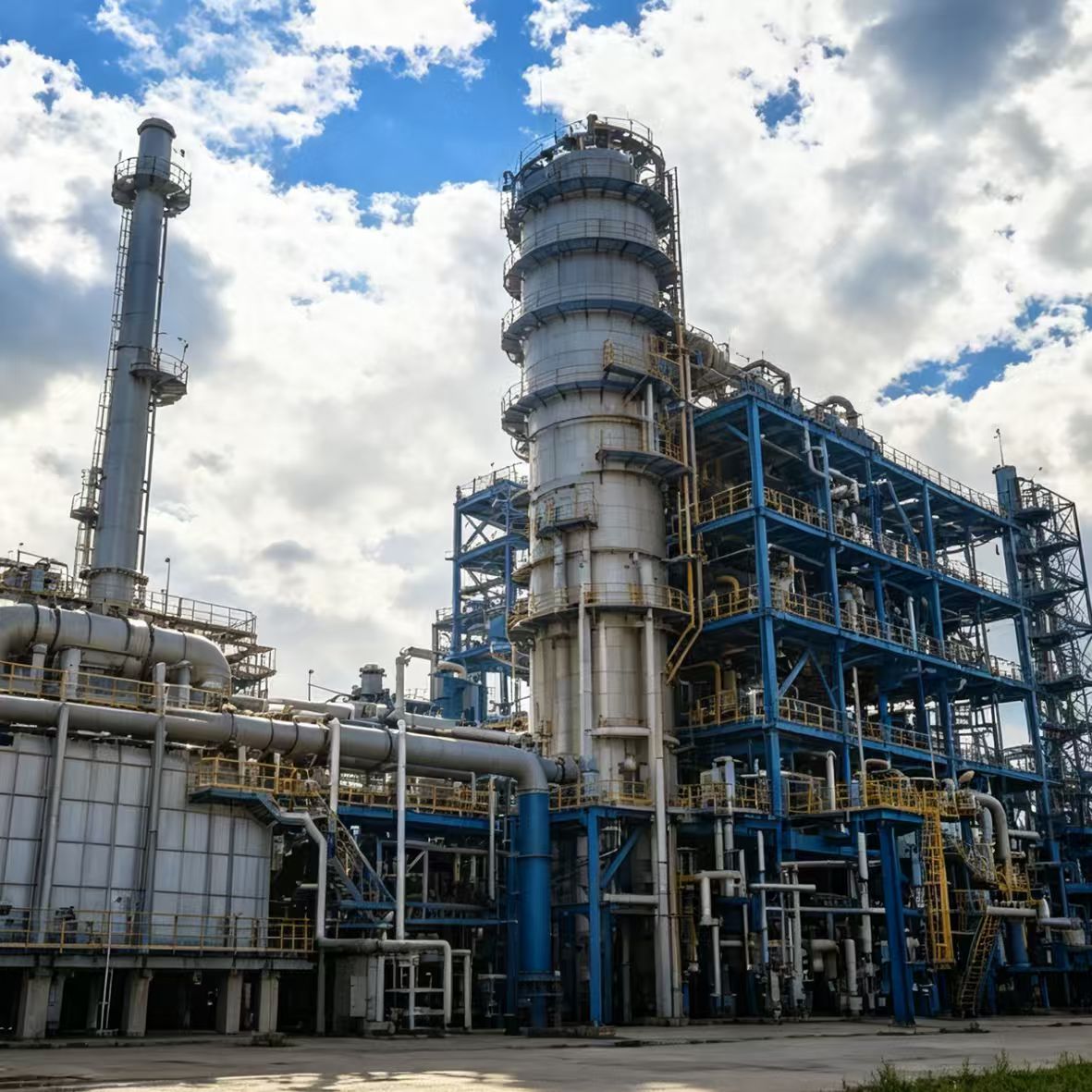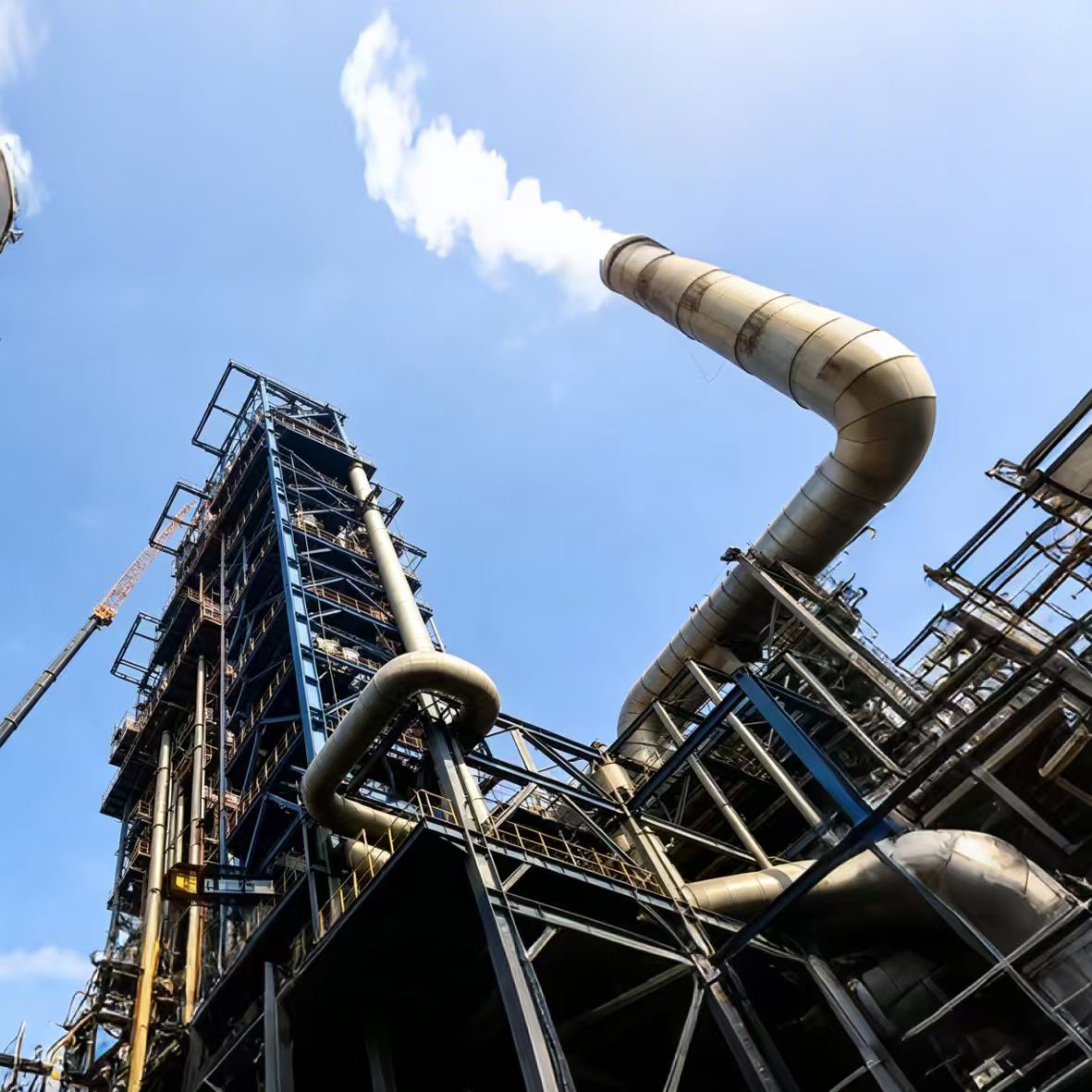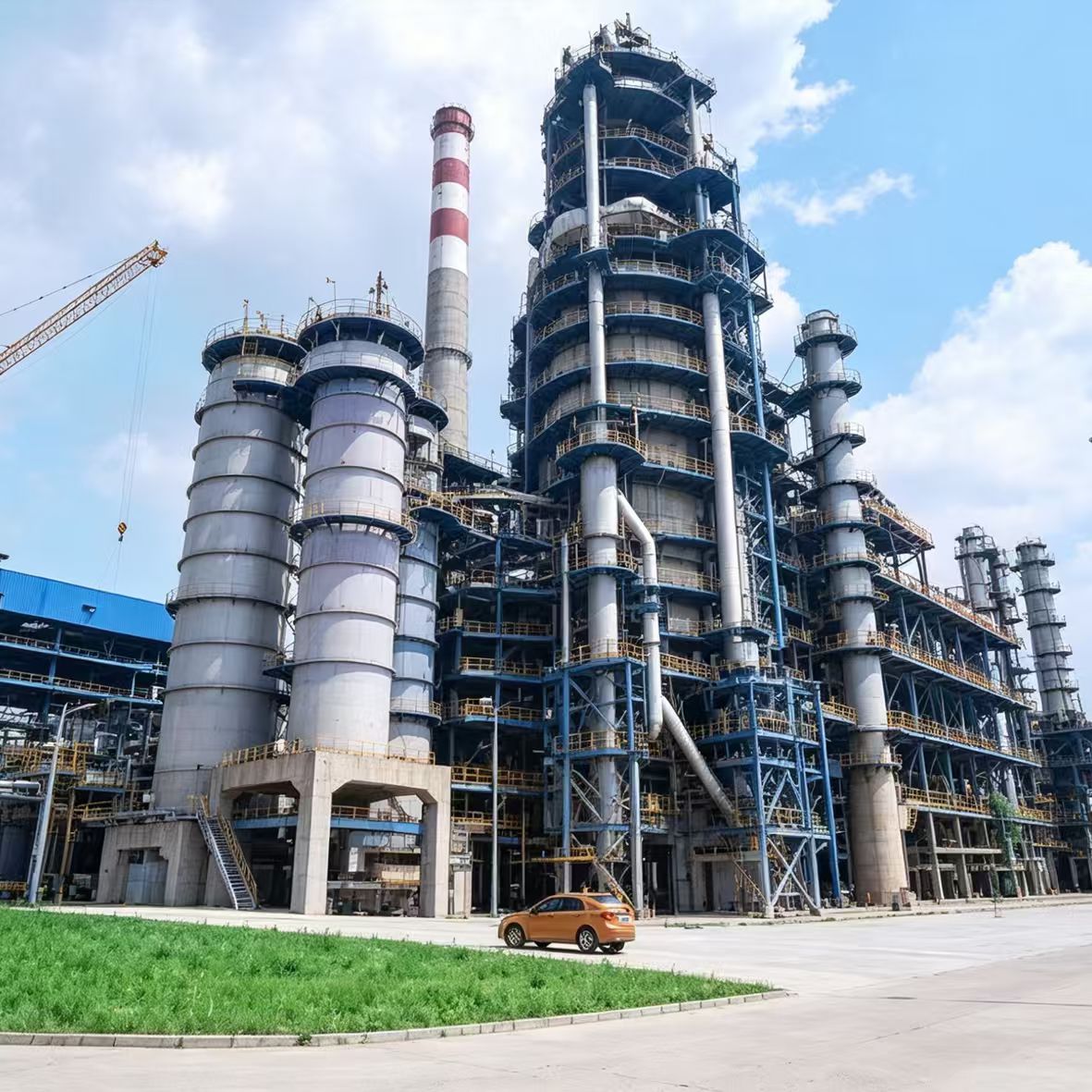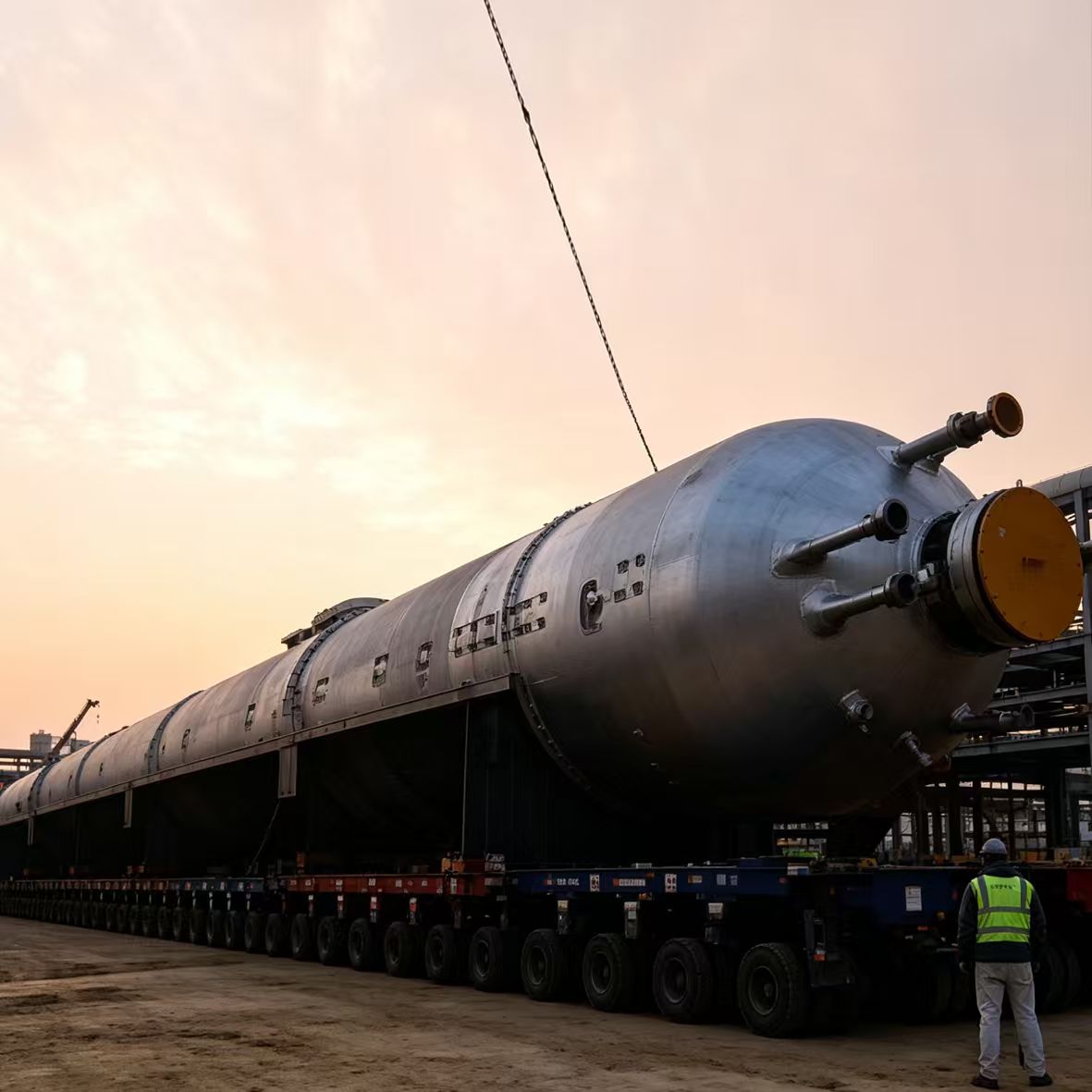
The atmospheric and vacuum distillation unit is the core and leading facility in a refinery. Through atmospheric and vacuum distillation, crude oil is physically fractionated by boiling point into fractions such as gasoline, kerosene, diesel oil, wax oil and residual oil, providing feedstock for subsequent processing.
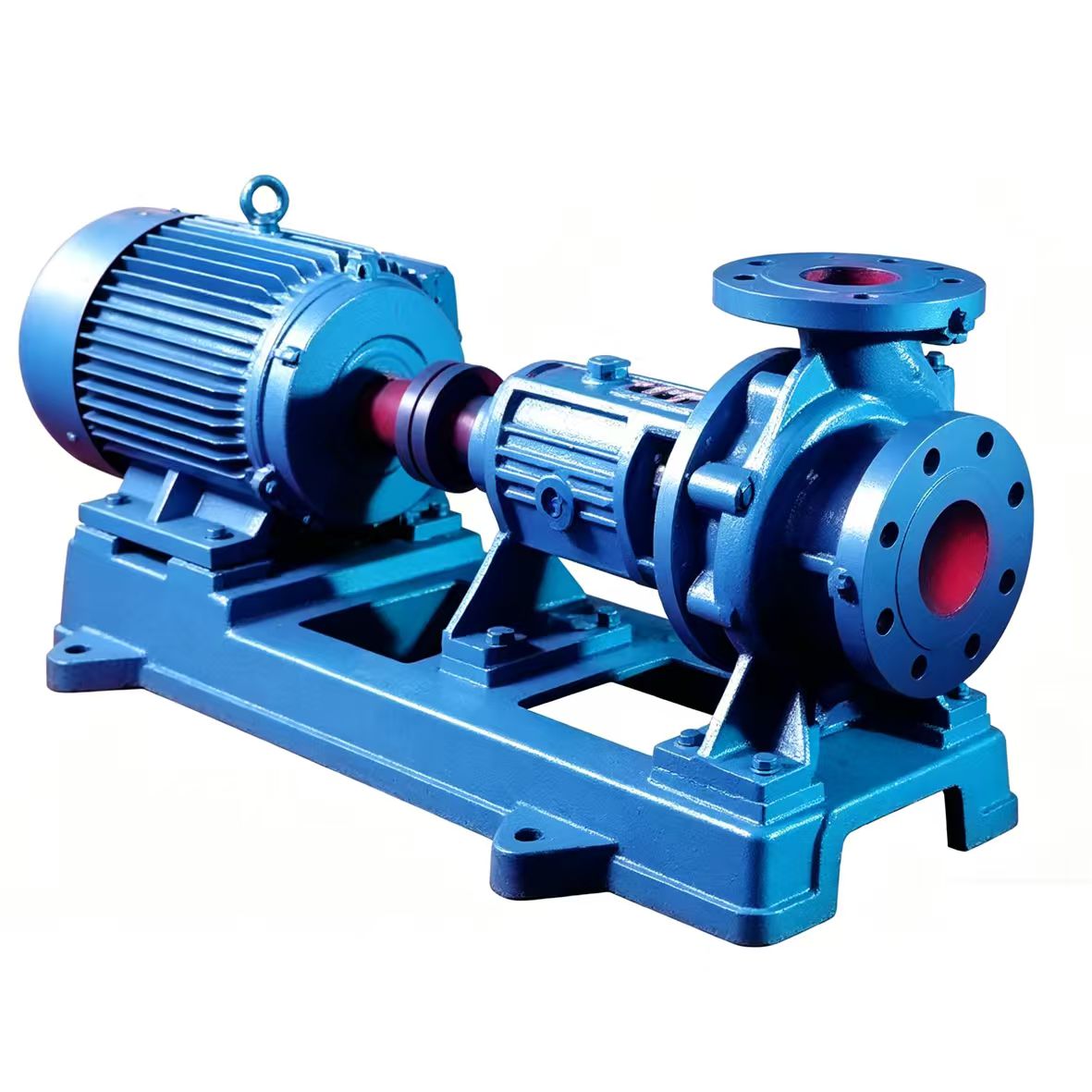
A centrifugal pump uses a rotating impeller to transfer fluid by centrifugal force. It converts mechanical energy into fluid pressure and flow energy, widely used for liquid transportation in refineries, water systems and industrial processes.
A Continuous Catalytic Reforming (CCR) Unit is a critical refinery process unit that converts low-octane naphtha into high-octane gasoline components (reformate) or petrochemical aromatics (BTX: benzene, toluene, xylene), while producing by-product hydrogen.
Fluid Catalytic Cracking Unit (FCCU) is a key secondary refining unit that converts heavy oil fractions into high-value gasoline, diesel and light olefins through catalytic cracking reactions.
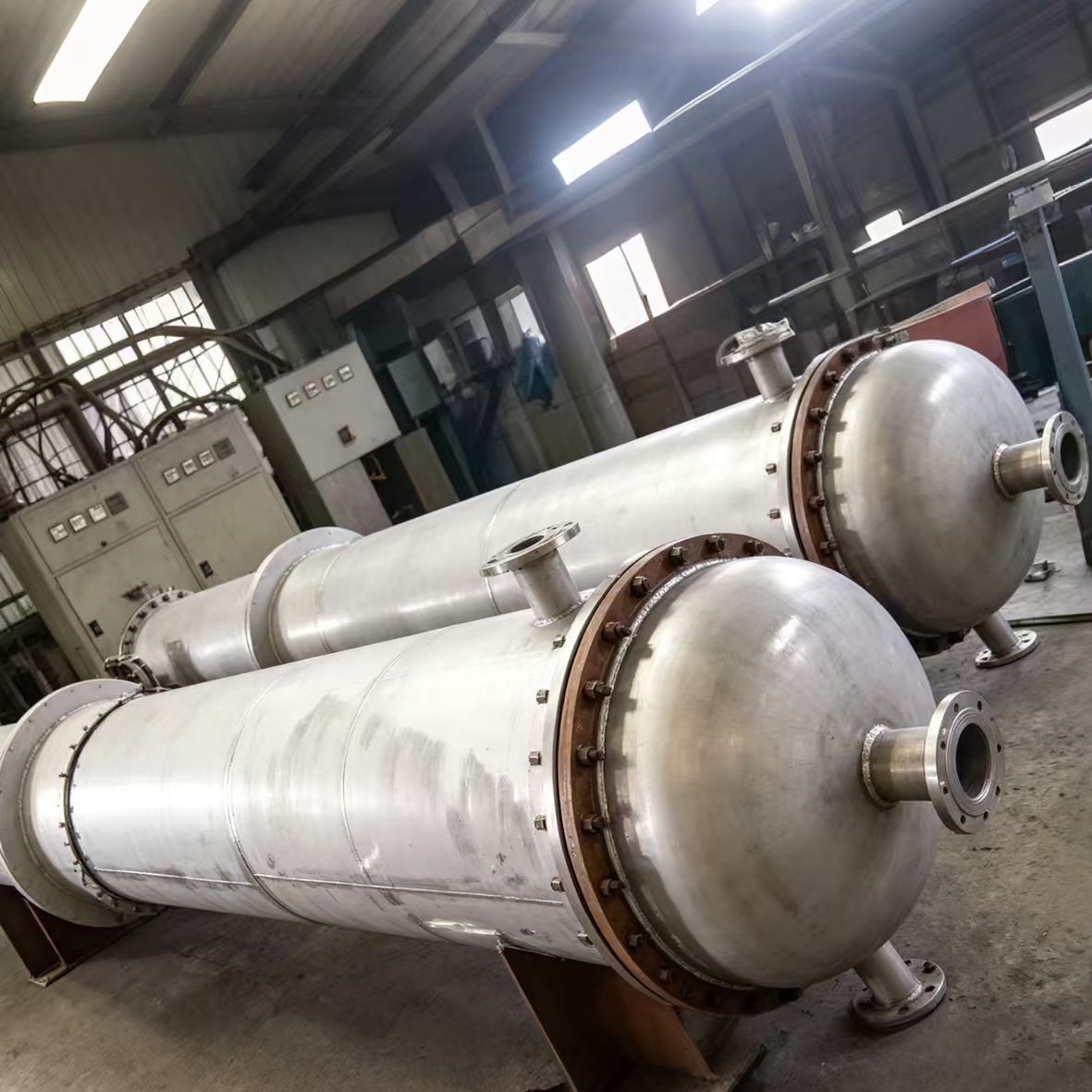
A shell-and-tube heat exchanger is a widely used industrial heat transfer device. It consists of a cylindrical shell and a bundle of tubes inside. One fluid flows through the tubes, while the other passes through the shell around the tubes, enabling efficient heat exchange between the two media.
A Hydrogenation Unit is a key refining process that uses hydrogen to remove sulfur, nitrogen, and other impurities from petroleum fractions such as naphtha, diesel, and kerosene. It improves product stability, reduces pollution, and produces cleaner fuels meeting modern environmental standards.
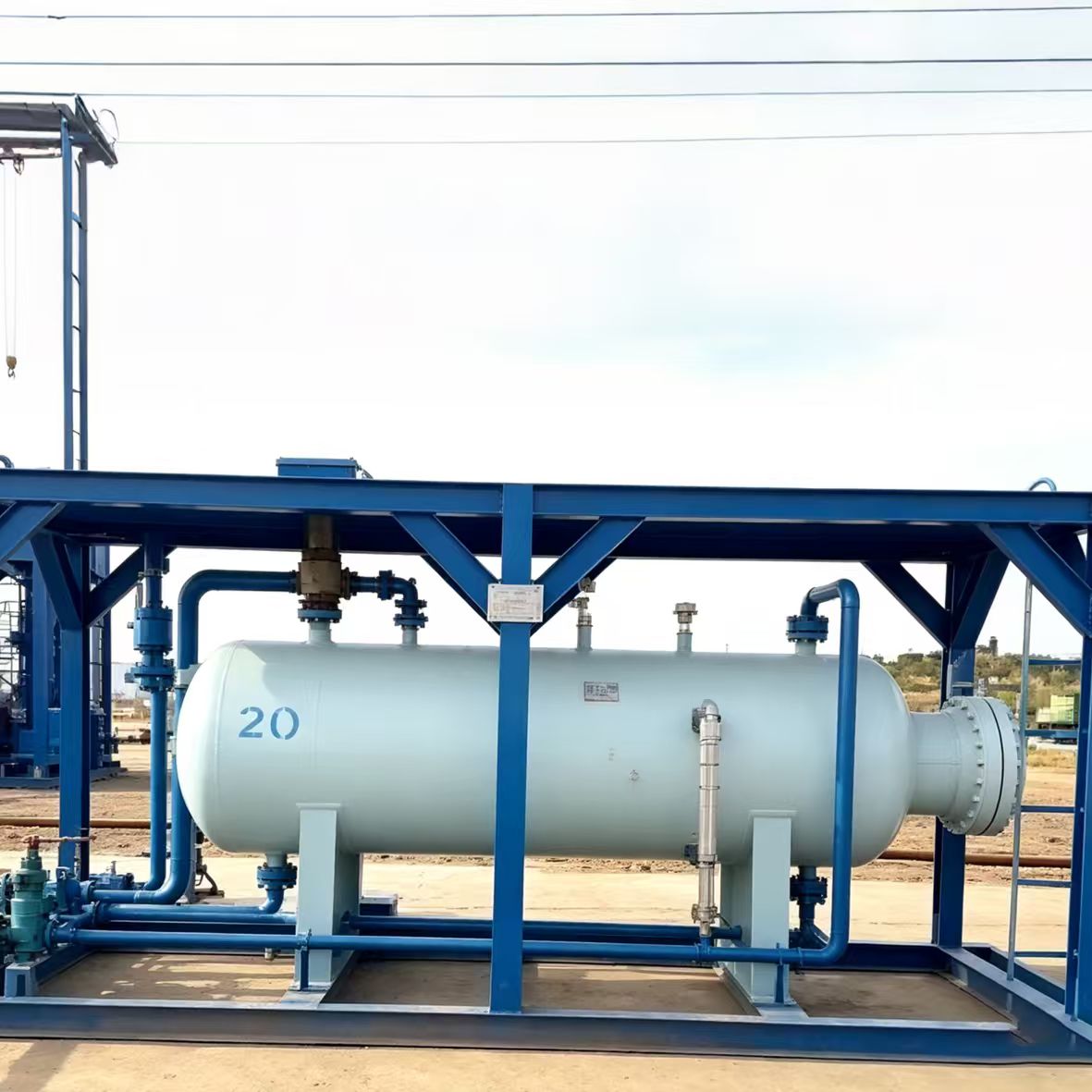
An oil and gas separator is a pressure vessel that separates wellstream fluid into crude oil, natural gas, and water under specific pressure and temperature. It is essential equipment in oilfield production and gathering systems.