

Valve
Core Equipmentt: High-pressure sulfur-resistant valve body, precision seals, multi-type actuators (hydraulic/pneumatic/electric), high-precision sensing and monitoring modules, anti-corrosion and thermal insulation accessories, explosion-proof control boxes
Core Technologies:High-pressure precision sealing technology, sulfur and corrosion resistant material forming technology, multi-drive intelligent control technology, extreme working condition temperature and weather resistance technology, valve status online monitoring technology, modular quick disassembly and assembly technology.
Product Introduction
Types and Characteristics of Equipment
Type
Industrial Control Valve: Suitable for oil and gas drilling, long-distance pipelines, wellhead devices and other scenarios, it features high pressure resistance, corrosion resistance and excellent sealing performance. With a multi-structure adaptive design, it can accurately regulate medium parameters and adapt to extreme working conditions such as high temperature, high sulfur and extreme cold, making it the core equipment for fluid control in the oil and gas industry.
Features
Multi-structure adaptation, full coverage of gate valves, ball valves, safety valves and other categories to meet different control needs. High pressure resistance, corrosion resistance and temperature change resistance, adapting to various extreme working conditions in the oil and gas industry. High sealing precision, leak-free operation, ensuring the safety of medium transportation and control. Diverse operation methods, manual/hydraulic/pneumatic/electric options available, adapting to the needs of automated operations. Modular design, convenient disassembly, assembly and maintenance, local overhaul does not affect the operation of the overall system.
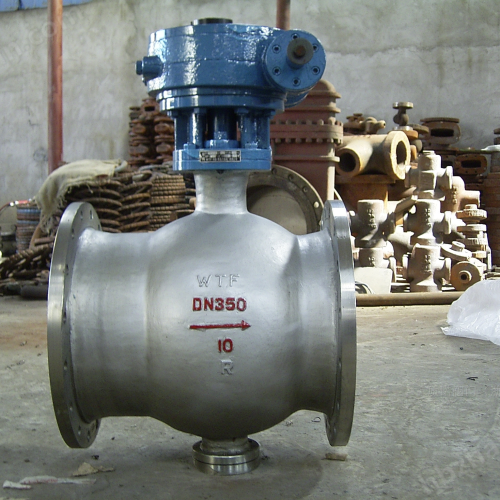
Valve
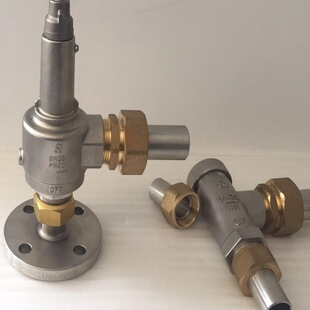
Valves control and regulate the flow of liquids, gases and other fluids in pipelines.
Valve
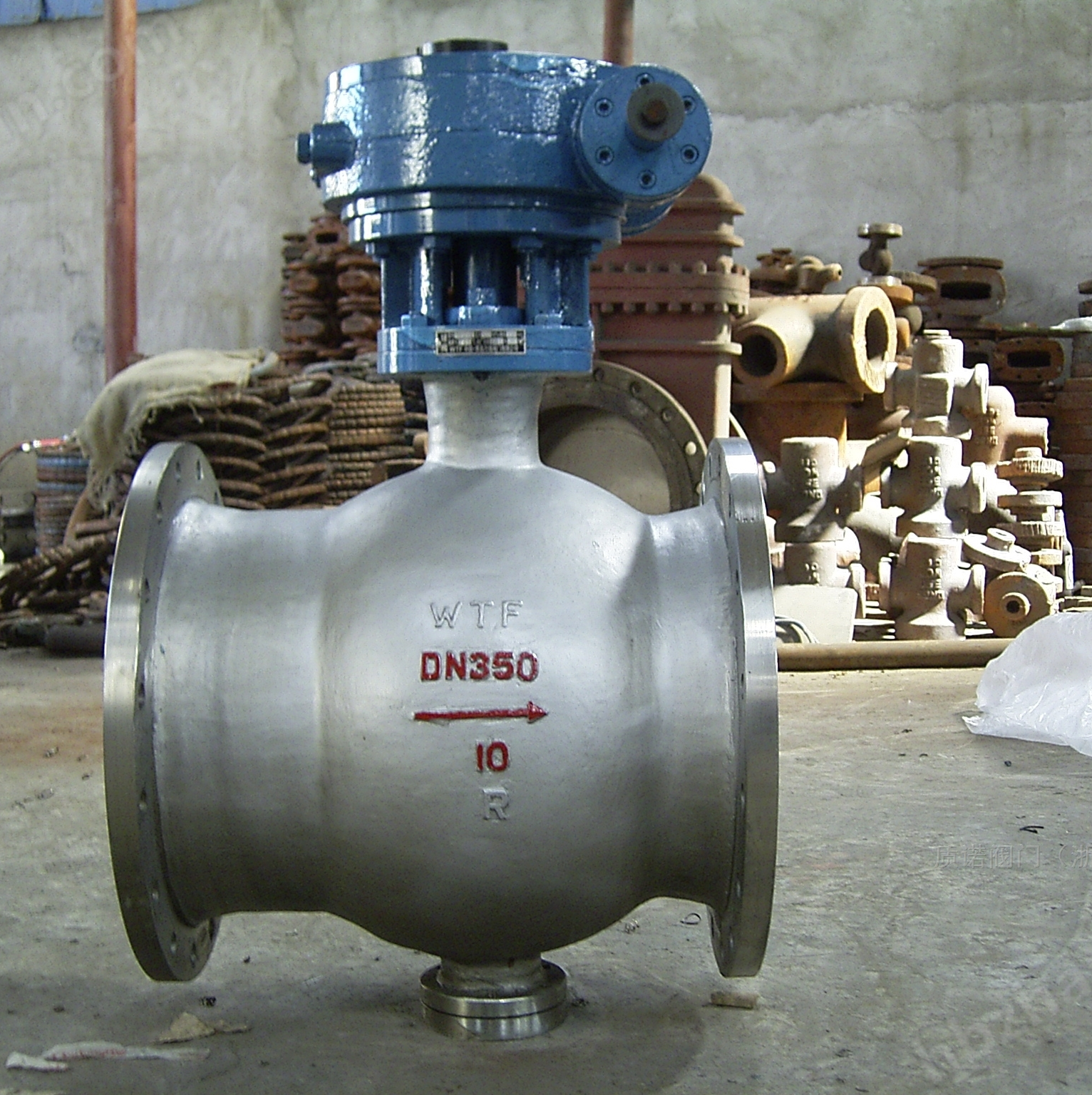
Widely used in oil, gas, water treatment and chemical processing equipment.
Basic Principles and System Composition
Basic Working Principle
The driving mechanism (manual/hydraulic/pneumatic/electric) drives the valve core to perform opening, closing or regulating movements, changing the flow area between the valve core and the valve seat to realize the on-off control, flow regulation and pressure control of the fluid medium in the pipeline; at the same time, relying on the precise fitting of the valve core and the valve seat, combined with the seal to achieve leak-free isolation of the medium, ensuring the stable operation of fluid transportation and industrial systems.
Overall System Composition
Valve Main Body Unit: The core control component, including basic structures such as valve body, valve core, valve seat and seals.Drive Control Unit: Including driving components such as manual actuators, hydraulic stations, pneumatic devices and electric control modules.Monitoring and Sensing Unit: Including pressure sensors, flow sensors and position detectors to monitor operating parameters in real time.Auxiliary Protection Unit: Including anti-corrosion coatings, thermal insulation layers, fire covers and shock absorption accessories, adapting to complex working conditions.Connection and Fixation Unit: Including flanges, bolts and welded joints to realize reliable connection between the valve and pipelines/equipment.
Basic Principles and System Composition
Pre-operation Preparation: Define the application scenario and medium parameters, select the suitable valve category and specification, and inspect the performance of the valve's sealing, driving and sensing components. On-site Installation: Complete the connection and fixation of the valve with pipelines/equipment according to process requirements, commission the drive control unit, calibrate the sensing and monitoring parameters, and do a good job in anti-corrosion and thermal insulation protection. Commissioning and Operation: Conduct valve opening and closing, flow and pressure regulation tests, inspect the sealing performance and operation stability, and ensure coordinated linkage with the overall system.On-site Operation and Maintenance: Monitor the valve operation status in real time, conduct regular cleaning, lubrication and seal inspection, and timely handle faults such as jamming and leakage. Post-operation Overhaul: Disassemble the valve according to the operation and maintenance cycle, replace and repair worn parts, recalibrate and commission, and restore installation and use after passing the test.
Related products

Multilingual Support
Multilingual professional foreign trade support
One-stop Logistics
Full logistics, customs clearance & shipping arrangement.

Complete Export Docs
Complete export documentation: inspection reports,etc.

On-time delivery excellence
Guaranteed punctual delivery via efficient production & logistics management.

After-sales & Tech Support
Timely after-sales & technical support for overseas clients.