



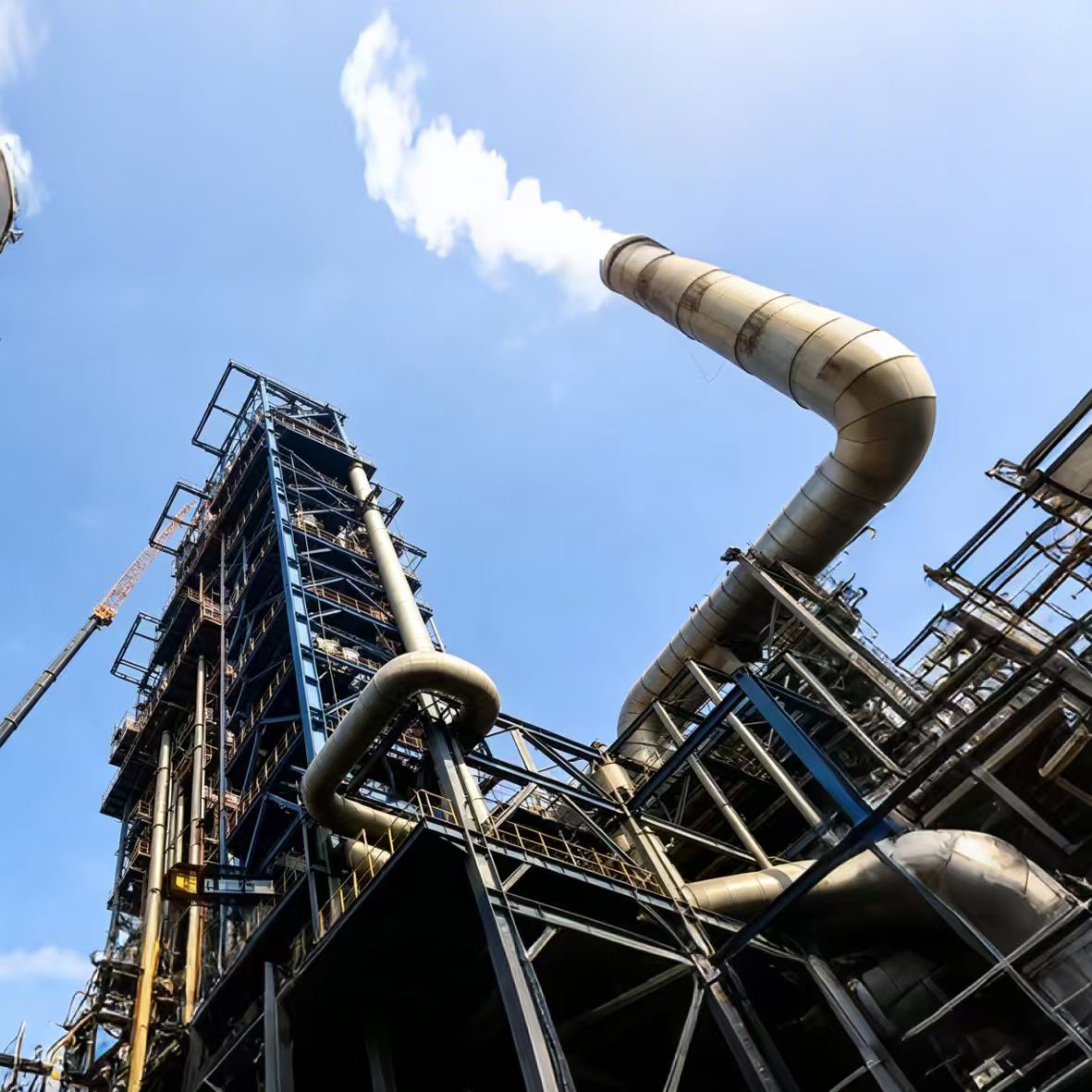
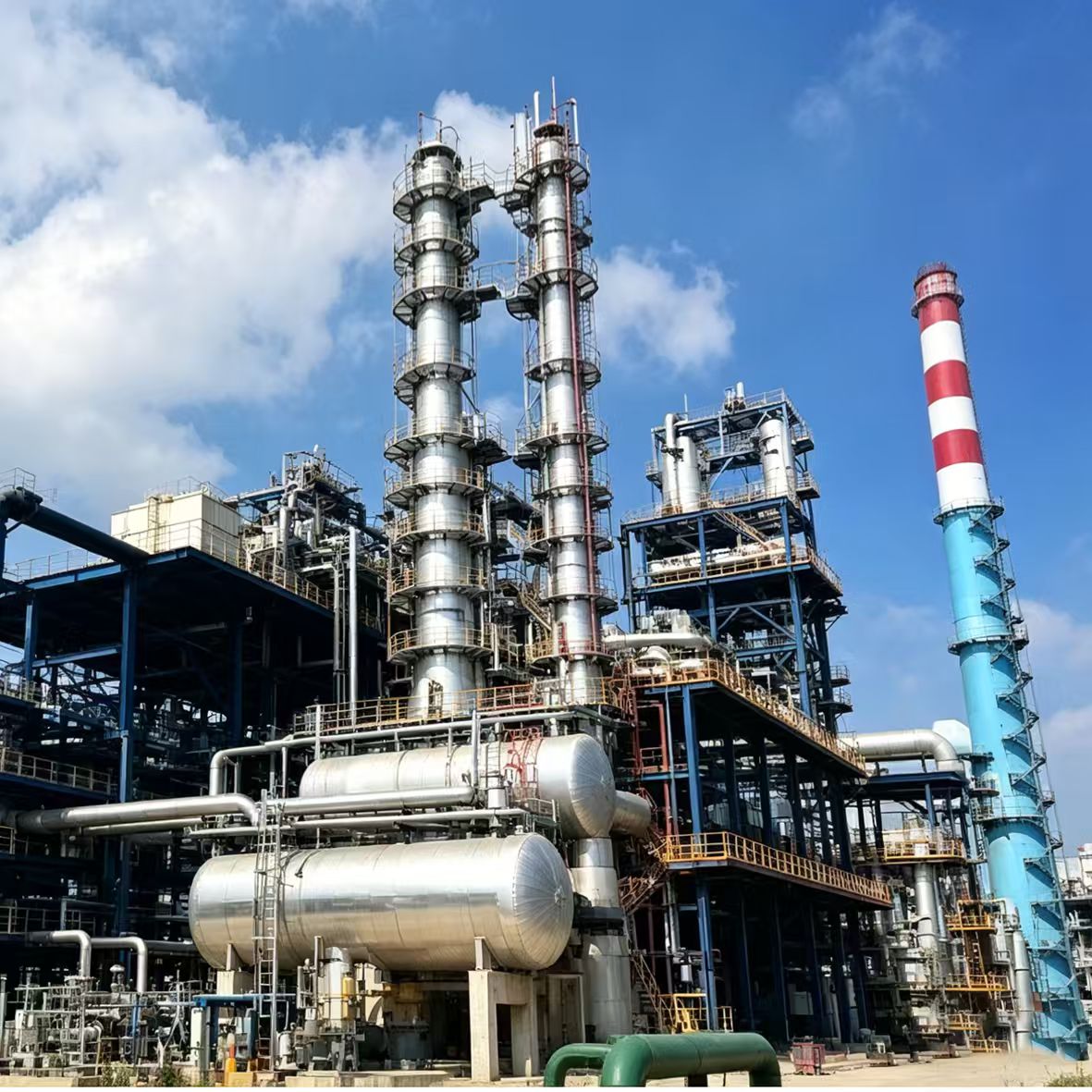
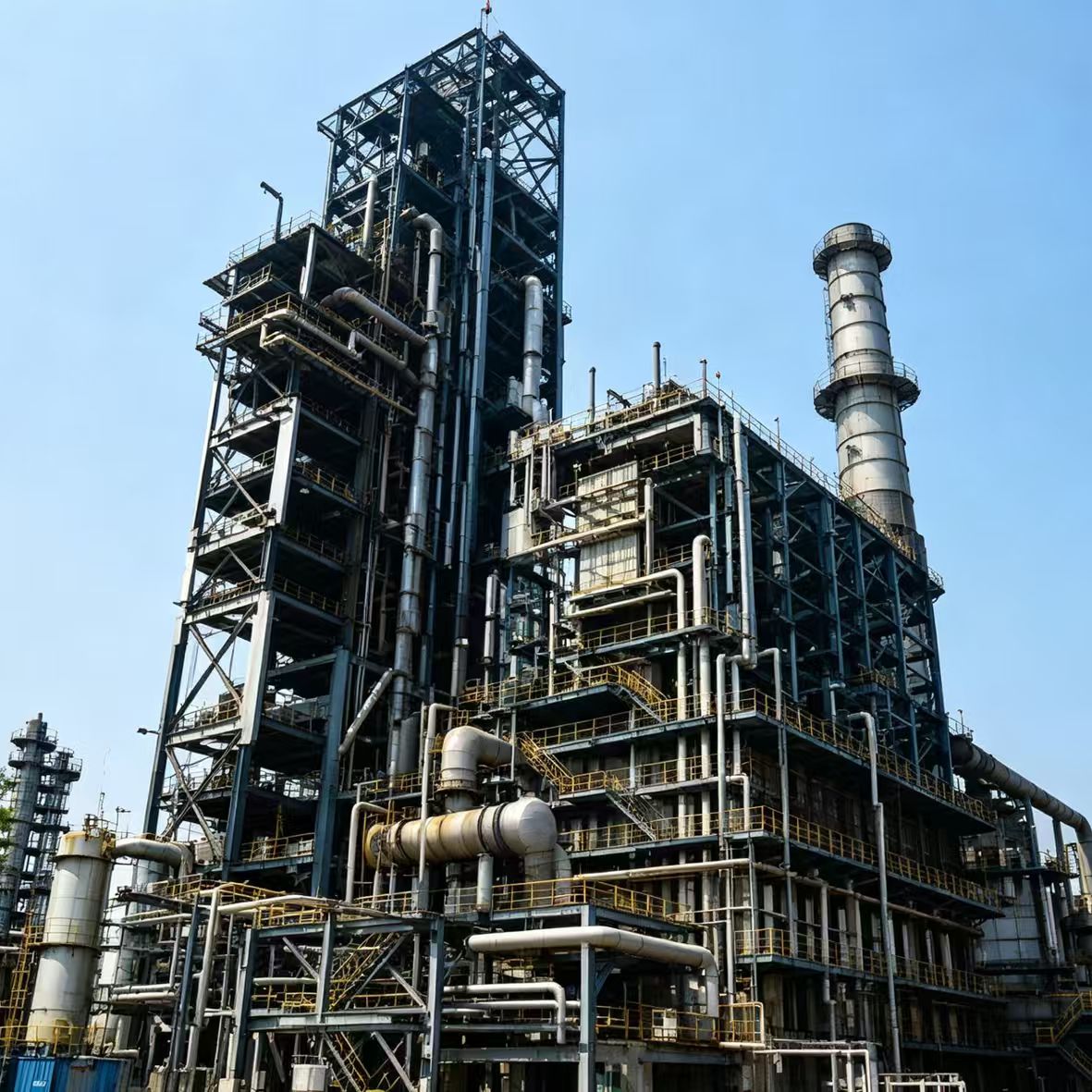
Установка непрерывного каталитического риформинга (Установка CCR)
Core Equipment
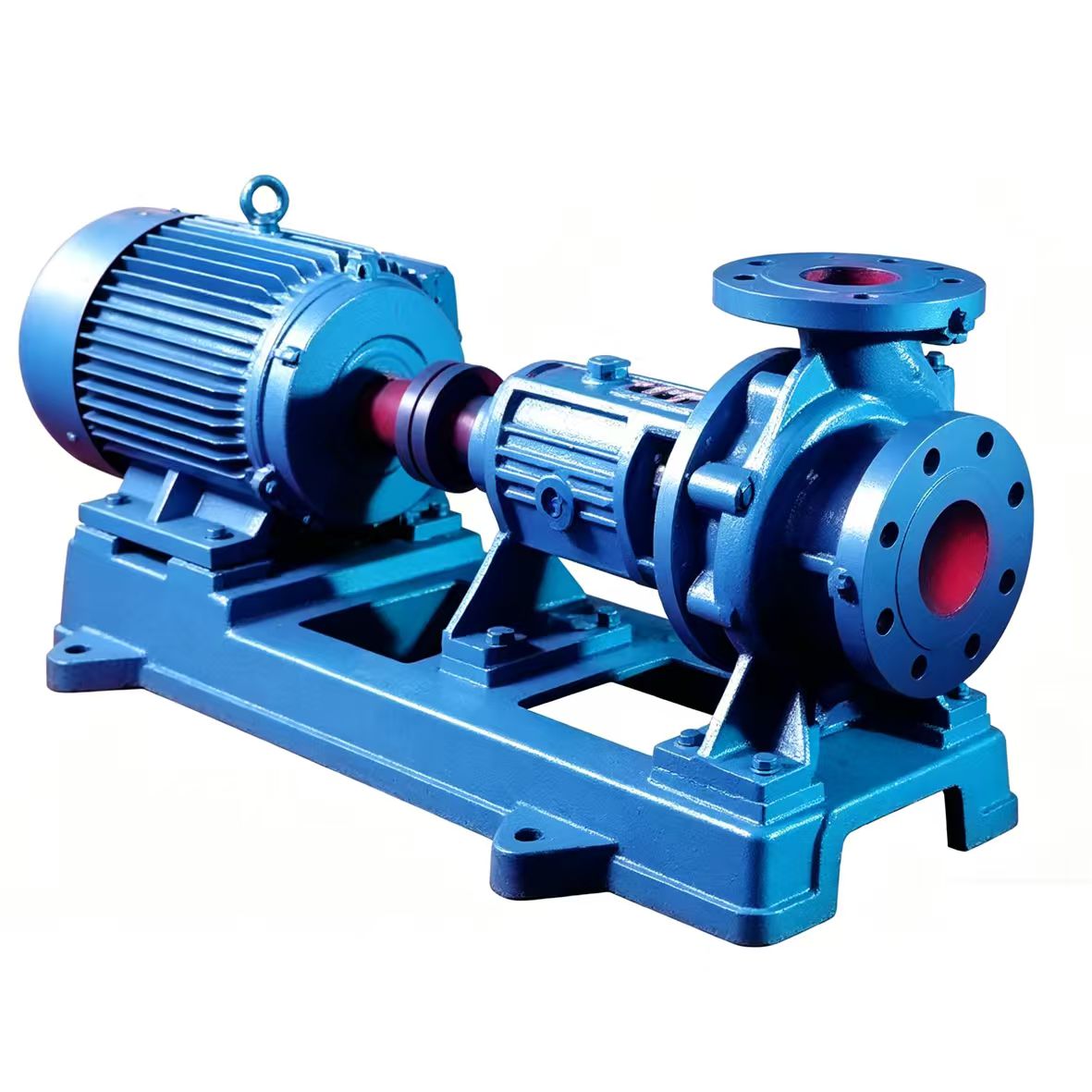
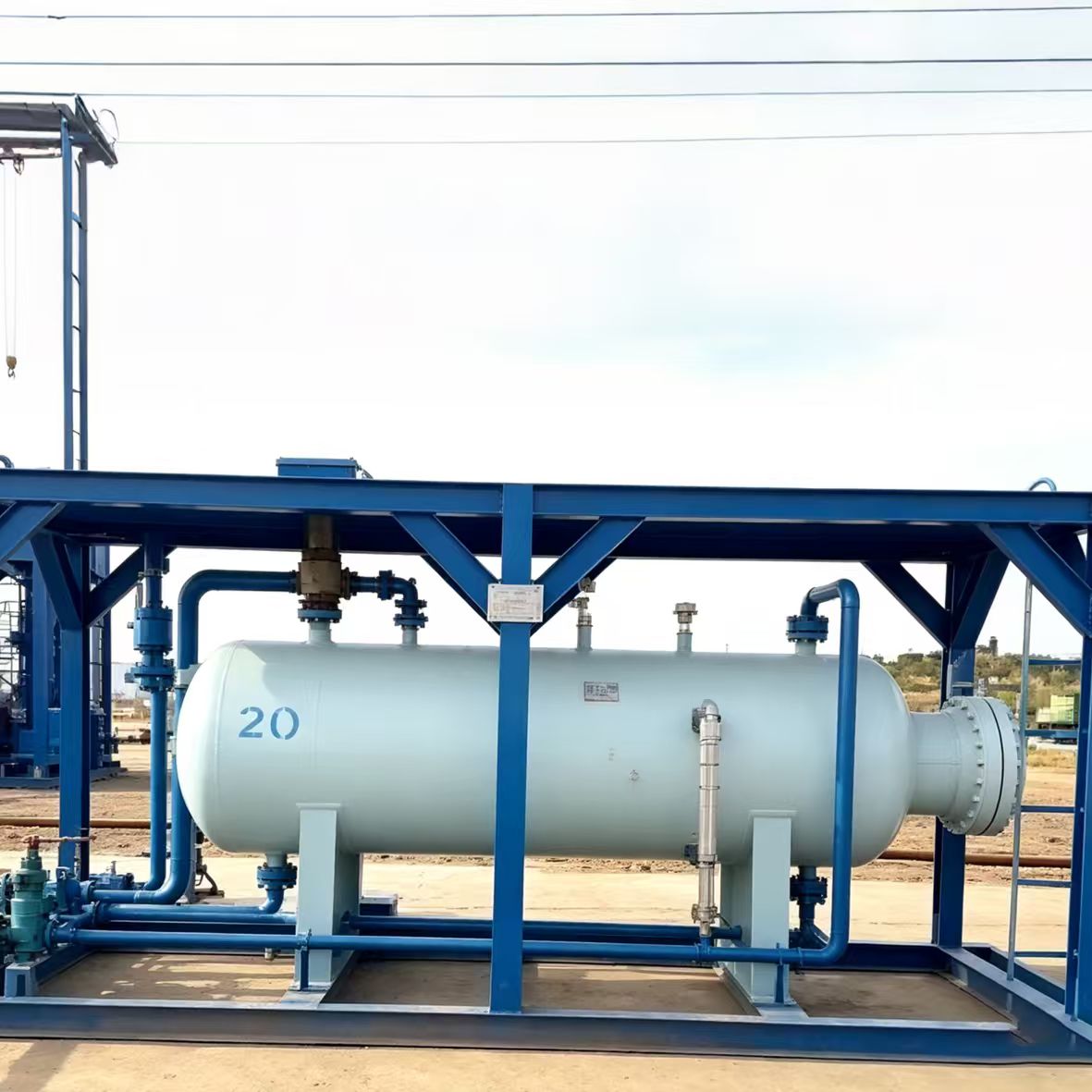
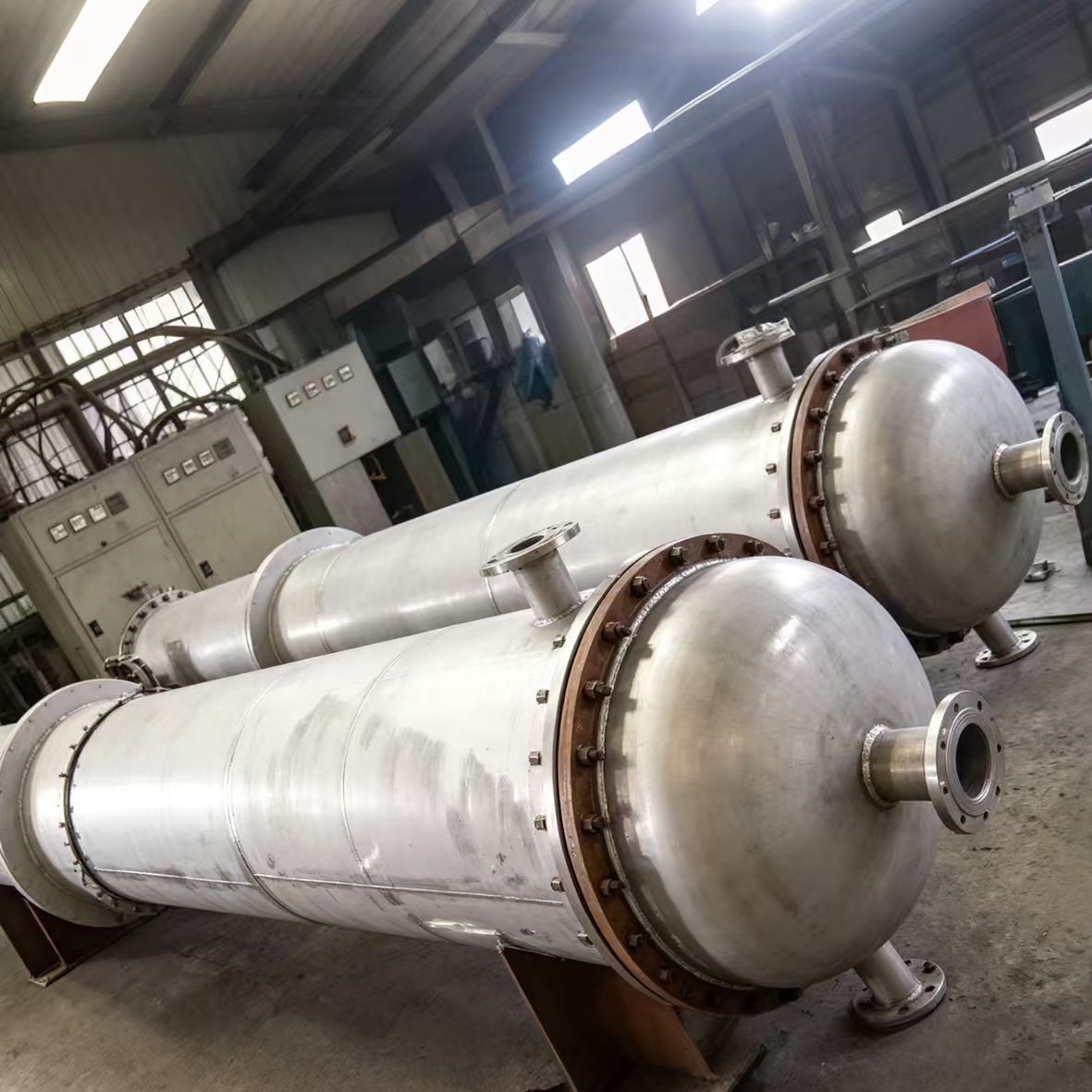
Radial reforming reactor Continuous catalyst regenerator (core equipment of CCR) Multi-pass vertical heating furnace Recycle hydrogen compressor High-pressure separator Stabilizer and heat exchange & cooling equipmentCore Technologies
Low-pressure continuous catalytic reforming reaction technology Continuous catalyst regeneration and circulation transportation technology High-efficiency hydrogen recovery and recycling technology Anti-coking and anti-corrosion design for long service life Heat energy recovery and unit energy-saving optimizationProduct Introduction
Установка непрерывного каталитического риформинга (Установка CCR)
Types and Characteristics of Equipment
Type
Equipment Type: Continuous Catalytic Reforming Unit (CCR), a core reaction equipment in refineries for producing high-octane gasoline and by-product hydrogen.
Features
The catalyst can be continuously regenerated and recycled, enabling long-term non-shutdown operation of the unit.Using naphtha as feedstock, it produces high-octane gasoline and aromatics, with high-purity hydrogen as a by-product.It features low reaction pressure and significant octane number improvement, with oil products meeting Euro V / Euro VI standards.With high hydrogen output, it can support hydrogenation units across the plant, delivering high economic efficiency.Highly automated with centralized DCS control, ensuring stable operation and maintenance.Adaptable to various types of crude oil from the Middle East, Russia and Tanzania, it is a mainstream complete set of refining and chemical equipment exported from China.
Установка непрерывного каталитического риформинга (Установка CCR)
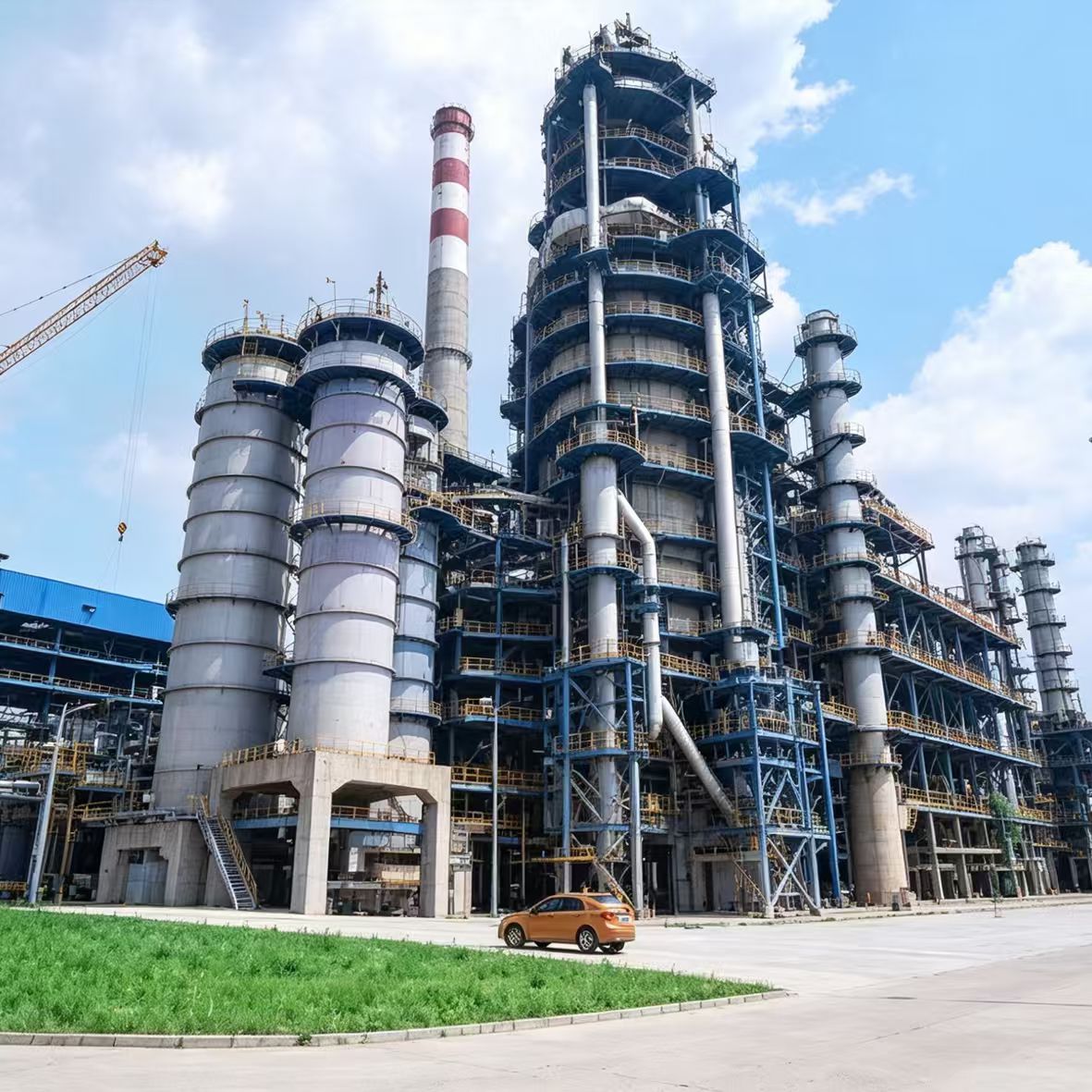
A Continuous Catalytic Reforming Unit (CCR Unit) is a key refinery unit that upgrades low-octane naphtha into high-octane gasoline blending components.
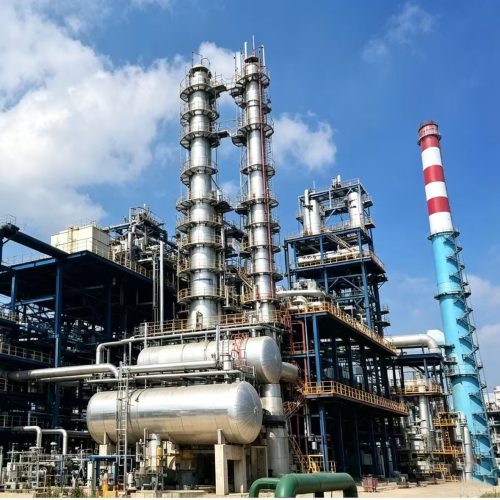
Установка непрерывного каталитического риформинга (Установка CCR)
It produces high-purity hydrogen and valuable aromatic hydrocarbons (BTX) while enabling long-term, stable operation through continuous catalyst regeneration.
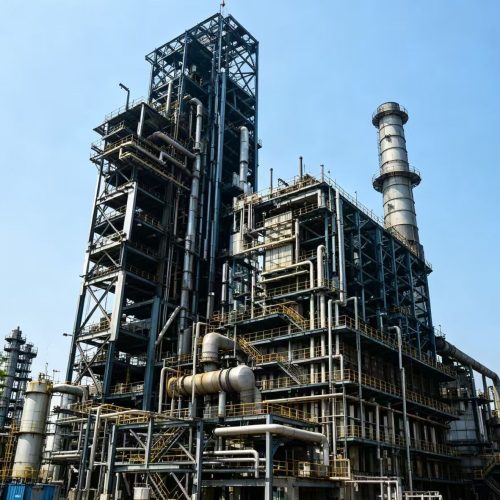
Установка непрерывного каталитического риформинга (Установка CCR)
Using advanced catalytic reactions under high temperature, it improves gasoline quality and supports the overall efficiency of modern petrochemical facilities.
Basic Principles and System Composition
Basic Working Principle
Basic Principle
Under the action of heating, a hydrogen atmosphere and platinum-based catalyst, hydrocarbons in naphtha undergo reactions such as dehydrogenation, isomerization and cyclization, with their molecular structures rearranged, thus significantly increasing the octane number. The catalyst gradually deactivates during the reaction and can be continuously sent to the regeneration system for coke burning and reactivation, realizing continuous operation of the whole process.Overall System Composition
System Composition
Feedstock Pre-treatment System: Naphtha hydrodesulfurization, denitrification and dehydration Reaction System: Multiple radial reactors in series, heating furnaces, hydrogen mixing system Continuous Catalyst Regeneration System: Regenerator, transfer pipelines, lock hoppers Separation and Stabilization System: High-pressure separators, stabilizers, air coolers, heat exchangers Hydrogen Circulation System: Recycle hydrogen compressors, make-up hydrogen system Instrumentation and Safety Control System: DCS, SIS, alarm and interlock systemBasic Principles and System Composition
Naphtha is subjected to pre-hydrotreating to remove impurities and protect the catalyst.The feedstock is mixed with recycle hydrogen and heated in a heating furnace.It sequentially enters multiple radial reactors for reforming reactions.The reaction products are cooled and separated under high pressure, and hydrogen is recycled.The liquid phase enters the stabilizer for fractionation to obtain high-octane gasoline components. Deactivated catalyst is continuously sent to the regenerator for regeneration and returned to the reactors for recycling.

Многоязычная поддержка
Многоязычная профессиональная поддержка в сфере внешней торговли

Комплексные логистические услуги
Полный спектр логистических услуг, включая таможенное оформление и организацию доставки.

Полный комплект экспортной документации
Полный комплект экспортной документации: протоколы инспекции и т.д.

Превосходная своевременная доставка
Гарантированная своевременная доставка благодаря эффективному управлению производством и логистикой.

Послепродажное обслуживание и техническая поддержка
Своевременное послепродажное и техническое обслуживание зарубежных клиентов.