

Propylen
System Composition
Highly similar to an ethylene plant, mainly including: Raw material pre-treatment (desulfurization, dearsenization, drying) Cracking / reaction system Quench and fractionation system Cracked gas compression and purification system (acid gas removal, dehydration, alkyne removal) Cryogenic separation system Propylene distillation and refining systemTechnologies
Ethane Cracking:Highest ethylene yield and lowest cost, with propylene as a by-product. Hydrogenated Tail Oil Cracking:Cracking of heavy feedstocks enables co-production of ethylene, propylene and aromatics, delivering high overall economic efficiency. Advanced Technologies:Linde, Linde-TECHNIP, Shaw, Stone & Webster (SW), Lummus, KBR and SINOPEC cracking technologies.Product Introduction
Types and Characteristics of Equipment
Type
Main Product Types of Propylene
Polypropylene (PP) Propylene oxide Acrylonitrile Isopropanol Acrylic acid & acrylates Cumene & phenol
Features
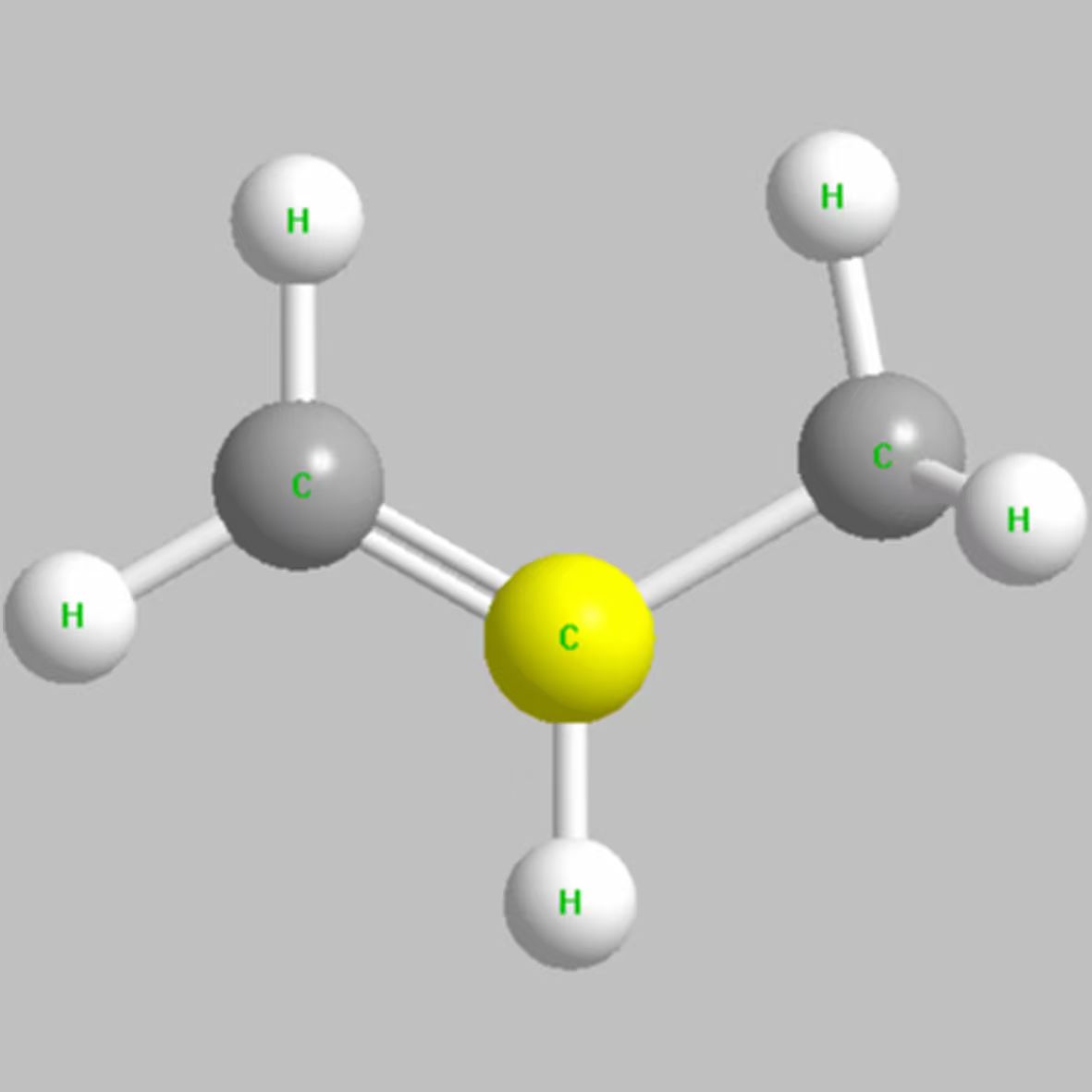
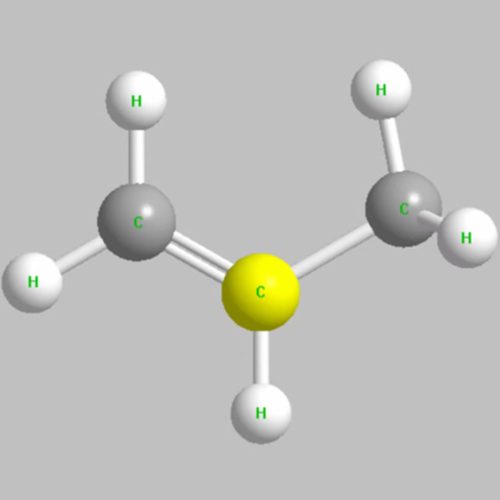
Molecular formula: C₃H₆. It is a colorless, flammable gas at room temperature with a slight hydrocarbon odor. As the second most important basic raw material in the petrochemical industry, it serves as a core feedstock for plastics, chemical fibers and rubber.
Propylen
Propylene is a colorless, flammable gas and important petrochemical feedstock.
Basic Principles and System Composition
Basic Working Principle
Hydrocarbon Steam Cracking (Main Production):Propylene is co-produced with ethylene during high-temperature cracking of ethane, naphtha and hydrogenated tail oil. Catalytic Cracking / Propane Dehydrogenation (PDH):Propylene is obtained as a by-product from catalytic cracking;high-purity propylene can be produced exclusively via propane dehydrogenation.
Overall System Composition
Core Reactions: Propane → Propylene + HydrogenHigh-temperature cracking of long-chain hydrocarbons → Ethylene + Propylene + Light components + Aromatics
Basic Principles and System Composition
Raw Material Pre-treatmentEthane / Naphtha / Tail Oil → desulfurization, dearsenization, drying → qualified feed High-Temperature CrackingFeed + dilution steam → cracking in furnace at 800–900°C → high-temperature cracked gas Quenching & Heat RecoveryRapid cooling to terminate reactions, recover heat to produce high-pressure steam Pre-fractionationSeparation of heavy components such as cracked heavy oil, gasoline and water Compression & PurificationMulti-stage compression → acid removal by amine/caustic scrubbing → drying → selective hydrogenation for alkyne removal Cryogenic SeparationLow-temperature separation of methane and hydrogen → fractionation of C2 and C3 fractions Propylene RefiningPurification in propylene distillation tower → polymerization-grade propylene product Storage & TransportationPressurized spherical tanks / low-temperature storage tanks → delivered to downstream units via pipeline, tanker or ocean vessel

Многоязычная поддержка
Многоязычная профессиональная поддержка в сфере внешней торговли

Комплексные логистические услуги
Полный спектр логистических услуг, включая таможенное оформление и организацию доставки.

Полный комплект экспортной документации
Полный комплект экспортной документации: протоколы инспекции и т.д.

Превосходная своевременная доставка
Гарантированная своевременная доставка благодаря эффективному управлению производством и логистикой.

Послепродажное обслуживание и техническая поддержка
Своевременное послепродажное и техническое обслуживание зарубежных клиентов.