



石油焦
Core Equipment
Delayed Coking Heating FurnaceRapidly heats to 485–510°C to ensure the oil reaches reaction temperature in a short time. Coke DrumsLarge vertical pressure vessels; two drums operate alternately for coking and decoking, serving as the key equipment for forming the sponge coke structure. Fractionating TowerSeparates coking oil and gas, stabilizes reaction conditions, and ensures uniform coke quality. High-Pressure Hydraulic Decoking SystemIncludes high-pressure water pumps, coke cutters and drilling machines, using 20–30 MPa high-pressure water for cutting and discharging coke. Crushing & Screening EquipmentJaw crushers and vibrating screens to produce export-grade particle sizes (0–10mm, 10–30mm, etc.). Calcining KilnsRotary kilns or vertical retort furnaces for producing calcined sponge coke.Core Technologies
Delayed Coking TechnologyControls temperature, pressure and recycle ratio to ensure stable production of sponge coke. Sponge Coke Structure Control TechnologyRegulates pore structure by adjusting feedstock properties, reaction temperature and residence time. Low Sulfur & Low Metal Control TechnologyAdapted to high-end metallurgical and aluminum electrolysis markets in Russia and the Middle East. High-Pressure Water Non-Damaging Decoking TechnologyEnsures intact coke lump structure and reduces fine coke powder. Continuous Crushing & Screening TechnologyProduces uniform particle size to meet export and marine transportation standards. Calcining Upgrading TechnologyReduces volatile matter, increases fixed carbon content and enhances export added value.产品介绍
产品介绍
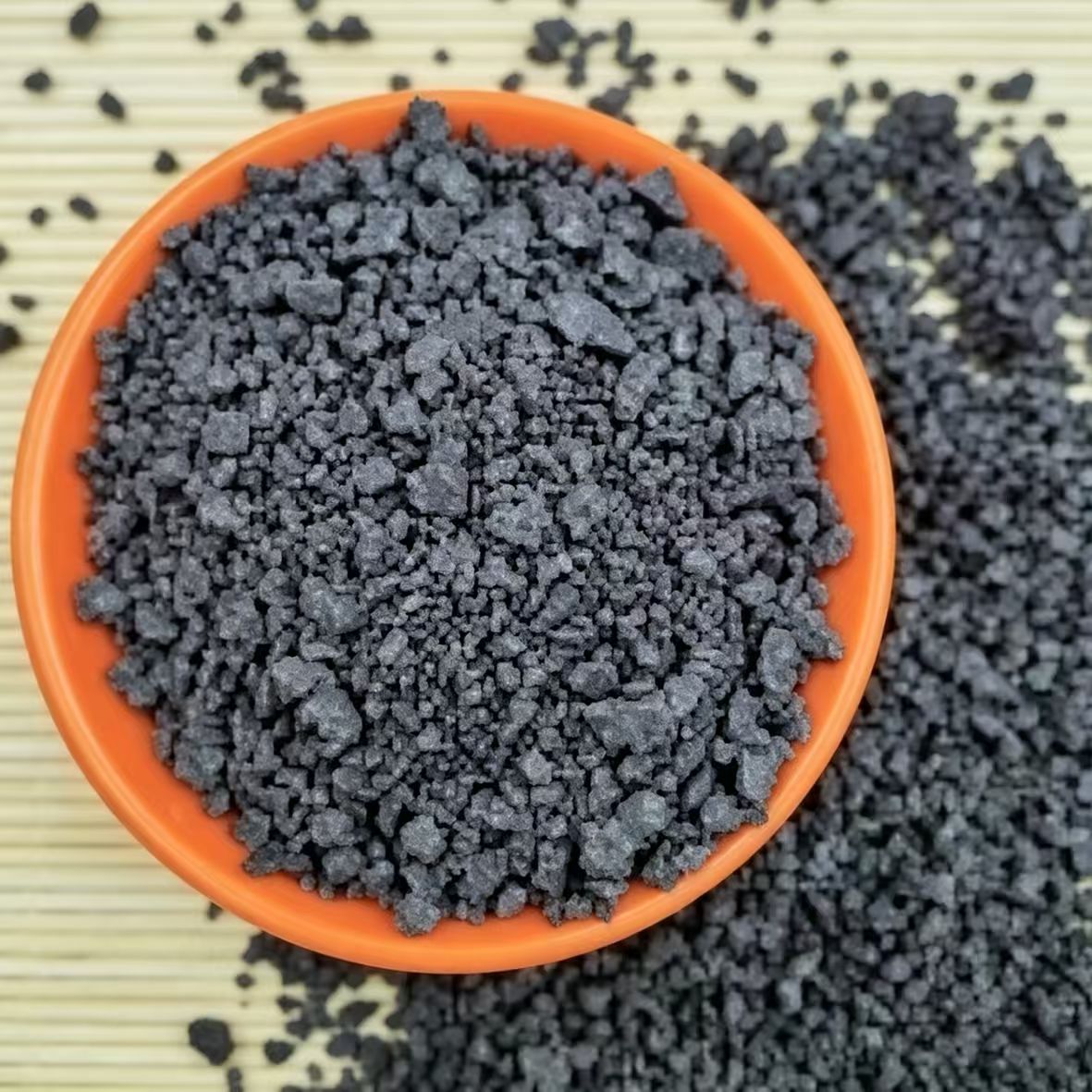
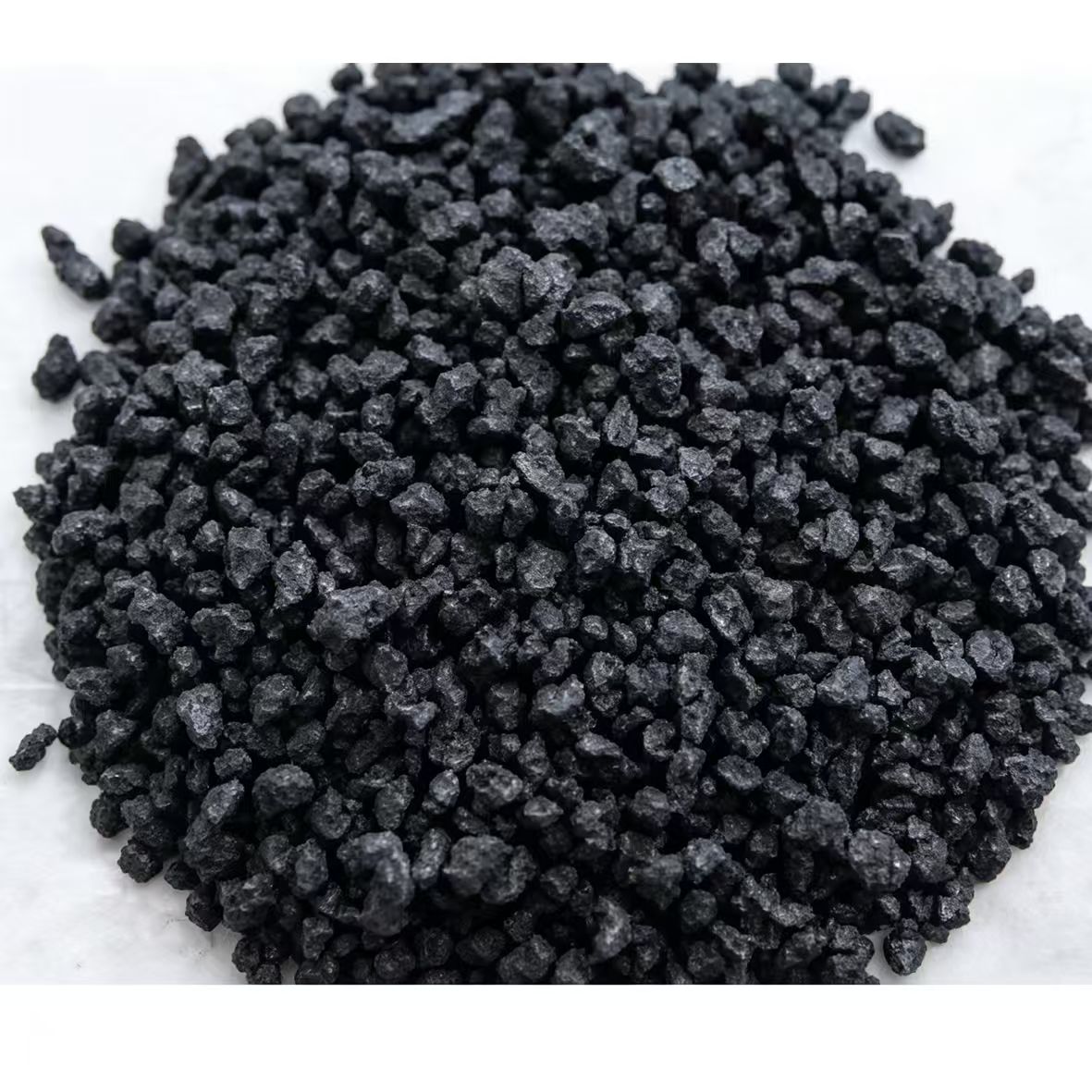
海绵焦是产量最大、应用最广、出口量最高的石油焦类型。它因其疏松多孔的结构形似海绵而得名。海绵焦采用延迟焦化工艺,以真空残渣为原料制成,主要用于预焙阳极、石墨制品、渗碳剂、碳化硅、电极膏、冶金燃料等领域。.
Types and Characteristics of Equipment
Type
Fuel Grade Petroleum Coke Calcined Petroleum Coke Green Petroleum Coke Low Sulfur Petroleum Coke High Sulfur Petroleum Coke
Features
Appearance: Black porous lumps with loose structure and moderate hardnessHigh fixed carbon: 85%–92% (over 98.5% after calcination)Adjustable sulfur content: low sulfur <1.5%, medium sulfur 1.5%–3%, high sulfur >3%Low impurity content: low ash, vanadium and nickel contents, suitable for metallurgy and aluminum electrolysisGood reaction activity: easy graphitization and sintering, ideal for anode materialsGood processability: easy to crush and screen, with uniform and stable particle sizeCost-effective: the most common basic carbon raw material in the global carbon industry
石油焦
High-quality petroleum coke features low sulfur, high calorific value and stable chemical properties, ideal for industrial manufacturing.
石油焦
Calcined petroleum coke offers high purity and excellent conductivity, suitable for graphite electrodes and carbon anode production.
Basic Principles and System Composition
Basic Working Principle
Using vacuum residue as raw material, the process is carried out in a delayed coking unit: High-temperature cracking: Macromolecular hydrocarbons are broken down into small molecular oil and gas.Condensation polymerization: Aromatic hydrocarbons are gradually dehydrogenated and condensed to form solid carbonaceous material.Delayed reaction: The feedstock is rapidly heated in a furnace, and coking is "delayed" in the coke drum to prevent coking in the furnace tubes. This finally forms petroleum coke with a spongy porous structure, known as sponge coke.
Overall System Composition
Raw Material System
Vacuum residue, heat exchange heating, dehydration and impurity removalHeating Reaction System
Heating furnace, coke drum, fractionating towerOil-Gas Separation System
Separation and recovery of dry gas, gasoline, diesel oil and wax oilDecoking System
Steam purging, water cooling, high-pressure hydraulic decokingPost-treatment System
Crushing, sieving, conveying, storage and packagingUtilities
High-pressure water system, steam system, nitrogen system, wastewater treatmentBasic Principles and System Composition
Raw Material PreheatingVacuum residue enters the unit and is heated through heat exchange with hot oil from the fractionating tower. Heating Furnace HeatingThe residue is fed into the heating furnace and rapidly heated to 485–510°C. Coking Reaction in Coke DrumsHigh-temperature oil enters the coke drums, where cracking and condensation reactions occur for approximately 24–36 hours, gradually forming sponge coke. Oil-Gas SeparationOverhead oil and gas enter the fractionating tower and are separated into dry gas, gasoline, diesel oil, and wax oil. Drum Switching, Purging and CoolingWhen one drum is full of coke, production switches to the other drum.Steam purging → water cooling to a safe temperature. High-Pressure Hydraulic DecokingTop and bottom heads are opened.High-pressure water first drills a central hole → then cuts the coke.Sponge coke is discharged from the bottom of the drum. Post-Treatment (Export Grade)Coarse crushing → fine crushing → screening → classification → conveying → silo storage.For calcined coke: fed into a rotary kiln for calcination at 1200–1350°C. Packaging and ShipmentTon bag packaging / bulk shipment.

多语言支持
多语种专业外贸支持

一站式物流
全程物流、清关及运输安排。.

完整的出口文件
完整的出口文件:检验报告等。.

准时交付卓越
通过高效的生产和物流管理,保证准时交货。.

售后及技术支持
为海外客户提供及时的售后和技术支持。.