



压力仪表
Diffused Silicon Pressure Sensor Capacitive Pressure Transmitter Explosion-proof Pressure Gauge High-pressure Pressure Joint
High-precision Sensing Technology: Adopting imported sensitive elements, measurement precision up to ±0.1%, ensuring accurate parameter monitoring, adapting to high-pressure and high-precision operation needs (such as deep oil and gas wells in the Middle East).
产品介绍
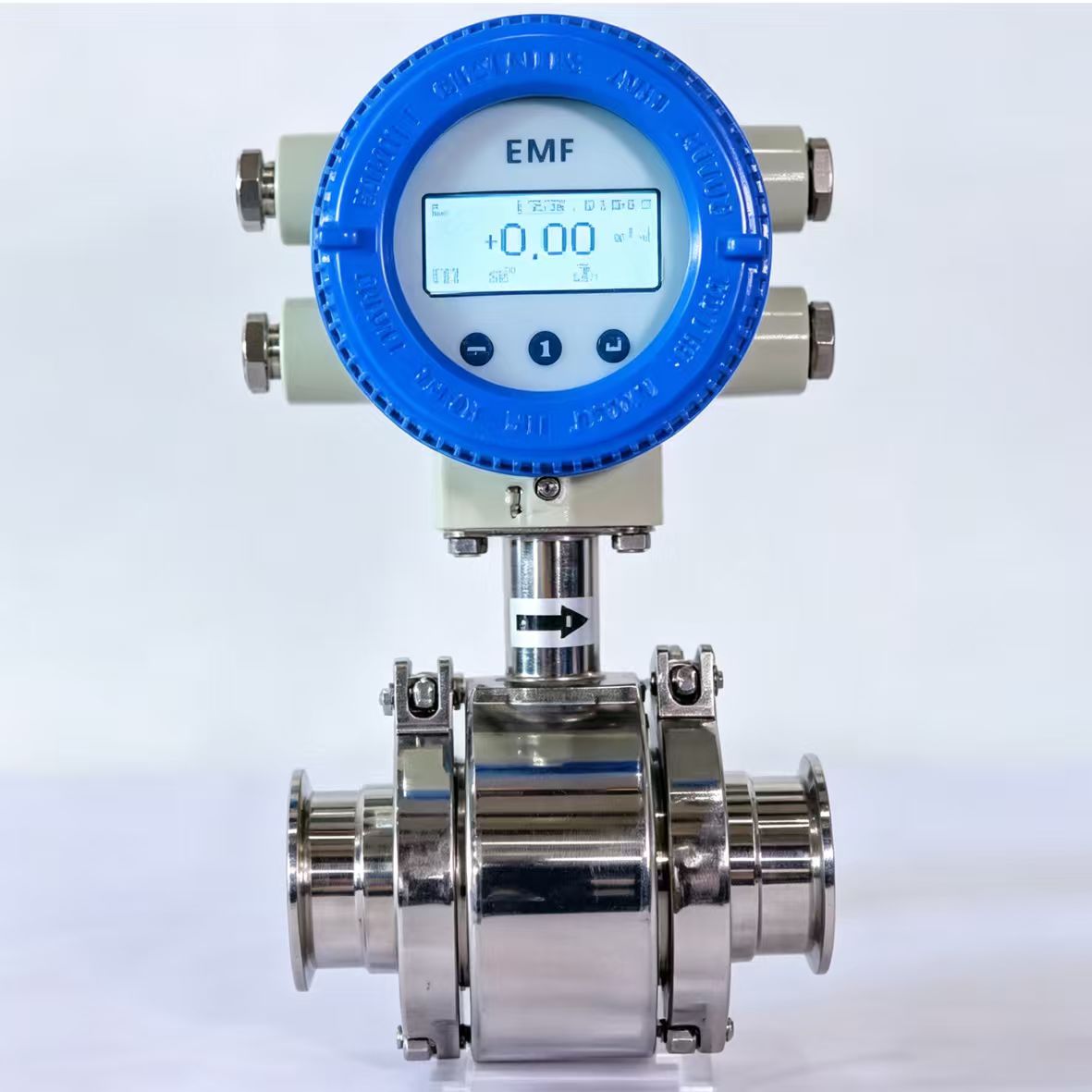
Pressure, temperature and flow instruments are core measurement and monitoring equipment in oil and gas production, workover operations and industrial production. They are widely used in the supporting of service rigs, Christmas trees and other equipment in oil and gas producing areas such as the Middle East, Russia and Tanzania. Their core function is to real-time monitor the pressure, temperature and flow parameters of media (crude oil, natural gas, mud, etc.), providing data support for operational safety and efficiency improvement.
Types and Characteristics of Equipment
Type
The three types of instruments are classified according to measurement principles and structural forms, adapting to different working conditions with distinct characteristics. The core classification and characteristics are as follows.
Features
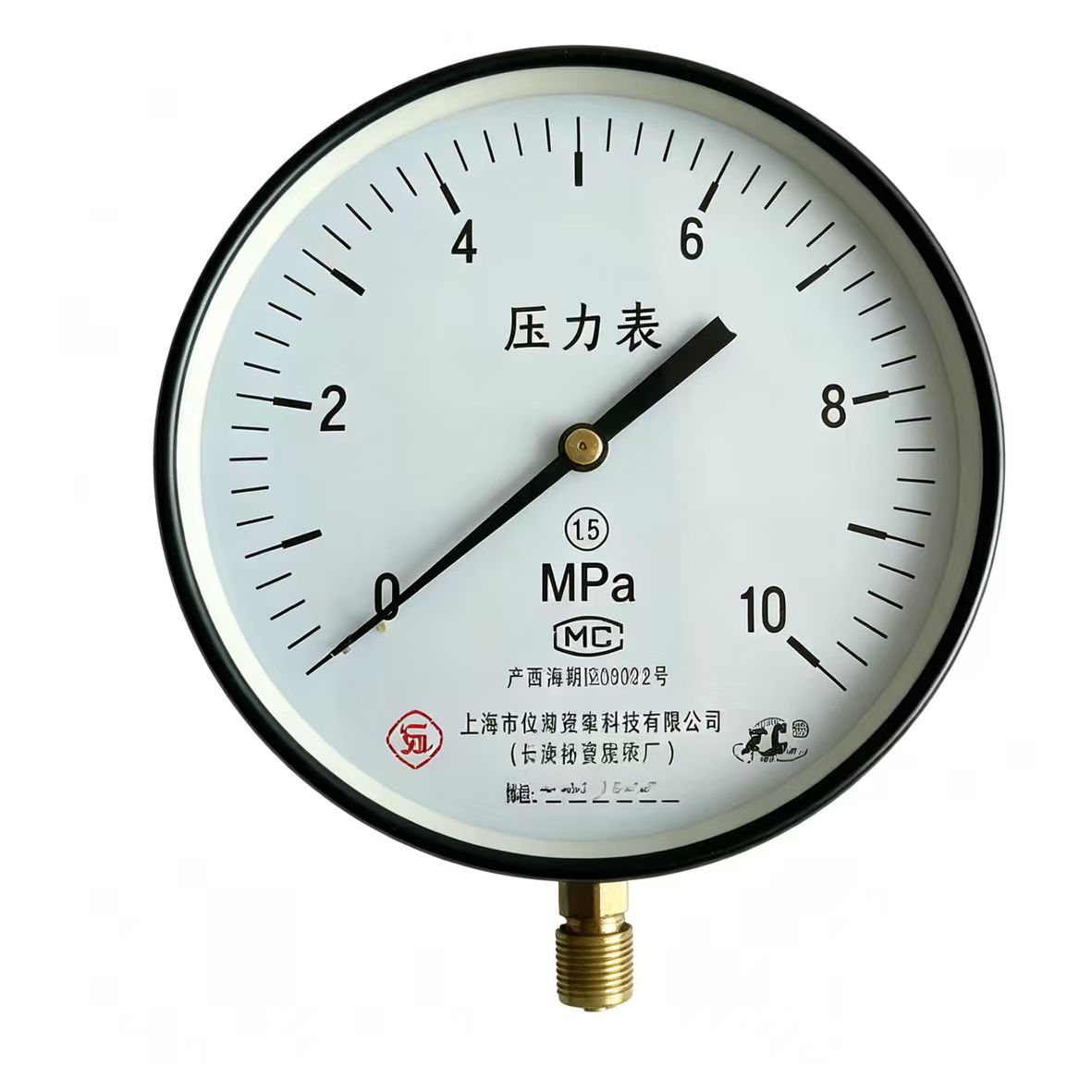
Characteristics: Simple structure, low cost, intuitive display, divided into pointer type and digital type, suitable for medium and low pressure conditions (0.1MPa-10MPa), widely used in small and medium-sized service rigs and shallow oil and gas wells in Tanzania, easy to maintain and no external power supply required.
压力仪表
They provide real-time data for process control and safety protection.
压力仪表
They ensure stable operation and prevent overpressure risks in oil and gas systems.
Basic Principles and System Composition
Basic Working Principle
Pressure Instruments: The sensitive elements (such as bourdon tube, capacitor plate) sense the medium pressure, convert the pressure change into mechanical displacement or electrical signal, and realize pointer display or remote transmission.
Overall System Composition
The three types of instrument systems are composed of measurement unit, signal conversion unit, display/transmission unit and auxiliary unit. All units work together to ensure accurate and stable parameter monitoring, as follows
Basic Principles and System Composition
Select the appropriate instrument model according to the operation scenario (such as service rig, Christmas tree, mud tank), inspect the instrument appearance and sealing performance, prepare installation tools, seals and wiring cables; confirm the installation position (pressure instruments are installed at the place where the medium flows smoothly, temperature instruments are inserted into the medium to the required depth, and flow instruments ensure the length of front and rear straight pipe sections meets the standard) Fix the instrument at the preset position, connect the pressure joint, temperature sleeve and flow straight pipe section to ensure tight sealing and no leakage; wiring (signal cable, power cable) is standardized, and the shielding layer is grounded to avoid interference; install auxiliary components (filter, globe valve) to protect the instrument. Turn on the power, start the instrument, and check whether the display is normal; calibrate the instrument with standard calibration equipment (standard pressure gauge, standard thermometer, standard flow meter), adjust parameters to ensure the measurement error is within the allowable range; link the automation system to test whether the signal transmission is stable and the data is accurately uploaded. When the instrument is in normal operation, real-time observe the pressure, temperature and flow parameters displayed on site to confirm whether they are within the set range; check the data transmission through the remote monitoring system, timely find abnormalities (such as sudden parameter changes, signal interruption), and troubleshoot faults (such as leakage, loose wiring). Regularly clean the instrument surface and sensor to prevent sand dust and medium adhesion from affecting measurement; inspect seals and cables, and replace damaged components in time; regularly inspect vulnerable components (such as thermocouples, turbines) to ensure normal operation of the equipment; record operation data and retain maintenance records. According to the use scenario and standard requirements, conduct a comprehensive calibration of the instrument every 6-12 months to ensure the measurement precision continues to meet the standard; timely repair or replace unqualified instruments to avoid affecting operational safety and data accuracy.

多语言支持
多语种专业外贸支持

一站式物流
全程物流、清关及运输安排。.

完整的出口文件
完整的出口文件:检验报告等。.

准时交付卓越
通过高效的生产和物流管理,保证准时交货。.

售后及技术支持
为海外客户提供及时的售后和技术支持。.