
Drill pipe

Core Components of Drill Pipe

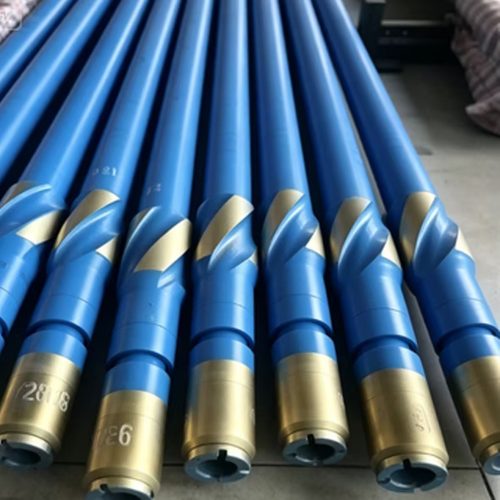
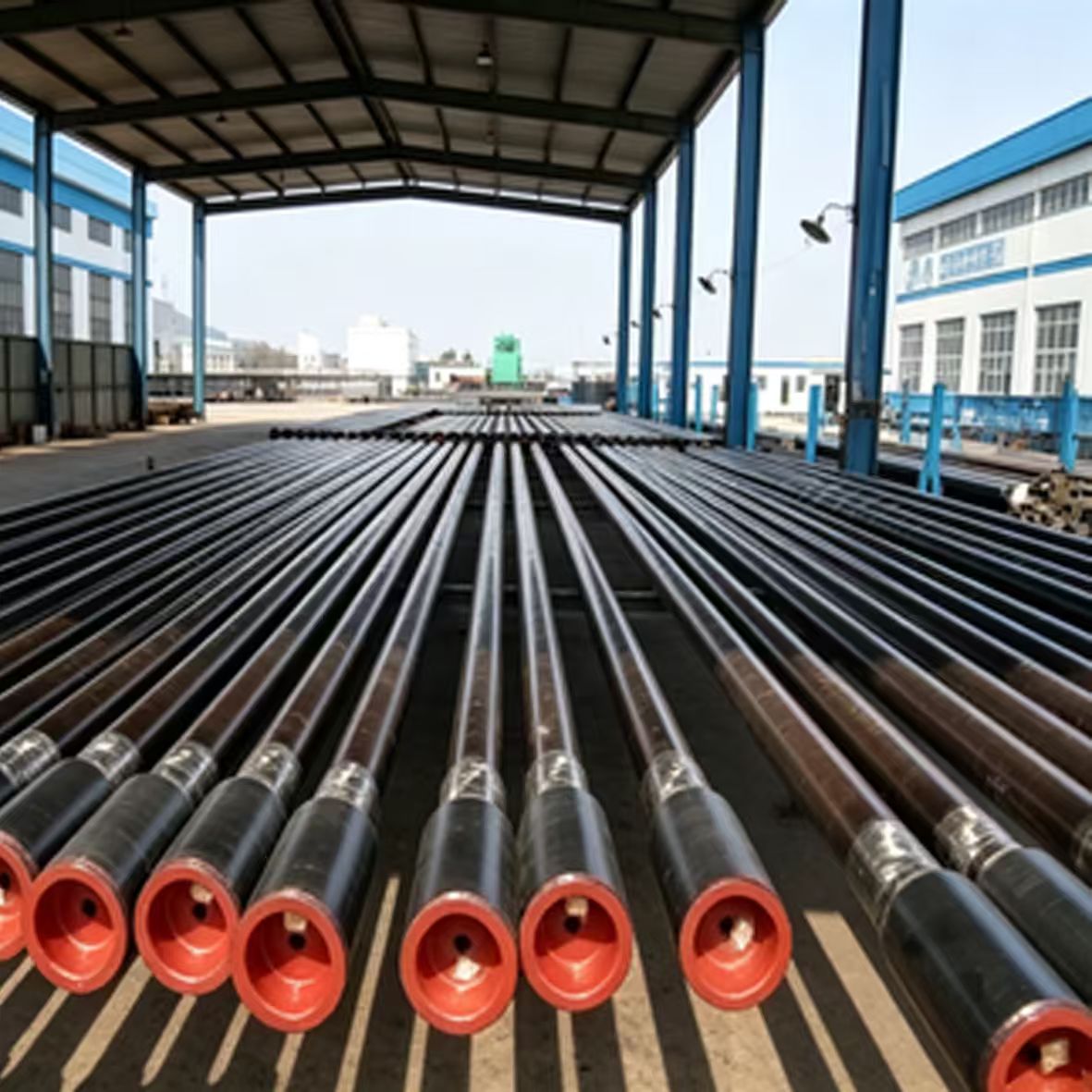
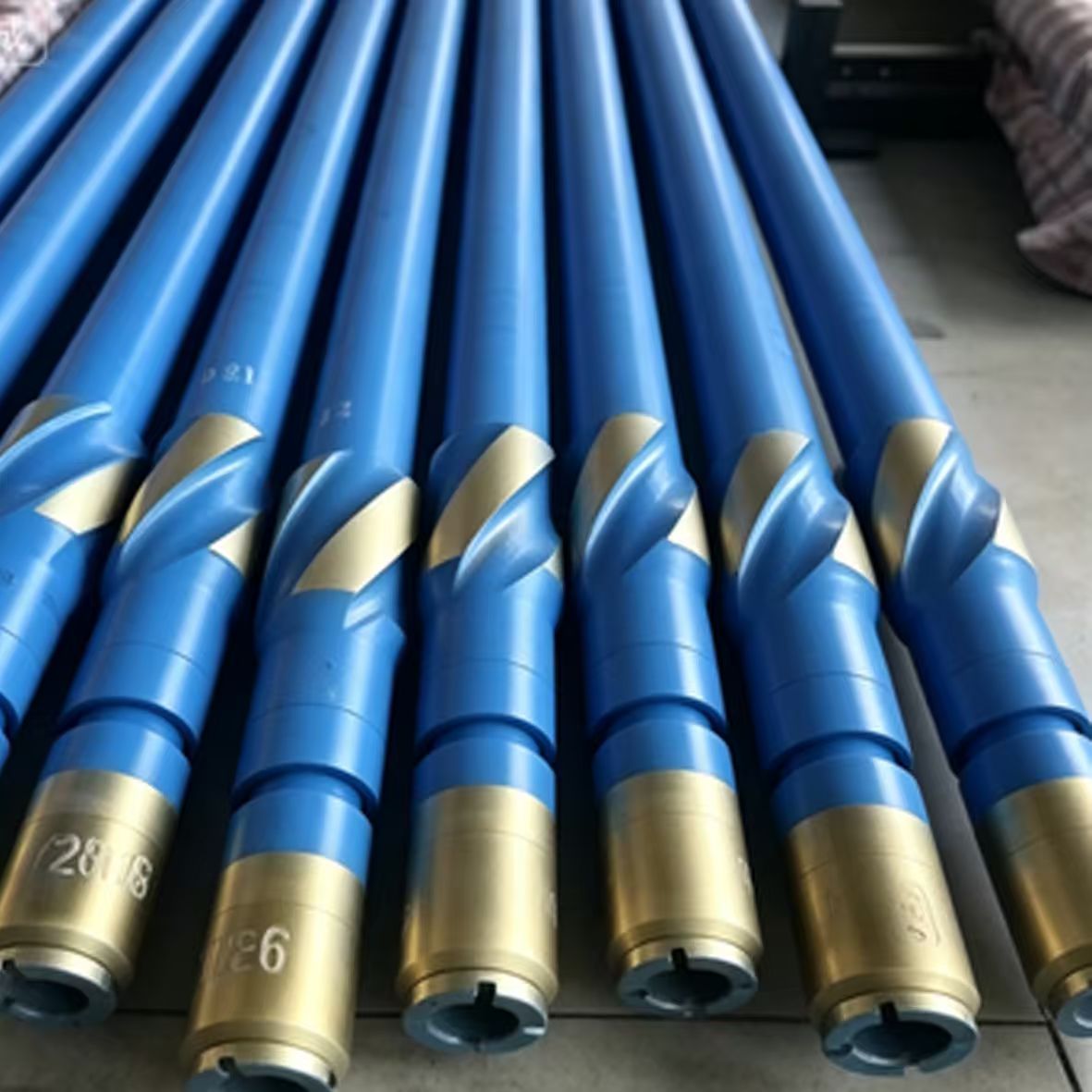
Drill Pipe Body Hollow high-strength steel tube, transmits torque and conveys drilling mud.
Drill Pipe Tool Joint Pin box & box connection, enabling reliable connection and resisting tension and torsion loads.
Heavy Weight Drill Pipe (HWDP) Adds weight, prevents bending, and reduces fatigue failure.
Kelly Transmits rotational power from the drilling rig without slipping.
Protective Sub / Adapter Sub Protects threads and adapts to tools of different sizes.

Core Technologies of Drill Pipe

Centered on high strength, long service life and high reliability, the technologies focus on 6 key areas, summarized concisely as follows:
Material Technology Adopts API-grade high-strength low-alloy steels (G105, S135, etc.) with alloying elements for high strength and toughness. Sulfide-resistant steel is used in sour environments. Advanced materials include aluminum-based and carbon fiber composites for weight reduction and wear resistance.
Structure Optimization Pipe ends are upset and thickened to eliminate stress concentration. The inner bore features a streamlined design to reduce mud flow resistance and failure risks.
Thread & Connection Technology High-precision special threads (double-shoulder) with metal sealing improve torsional resistance and sealing performance, preventing thread decoupling and fluid leakage.
Welding & Heat Treatment Friction welding is applied between the pipe body and tool joint for high strength and long service life, followed by quenching and tempering to ensure uniform overall performance.
Surface Protection Hardfacing on tool joints, copper/nickel plating on threads, and anti-corrosion coating on the pipe body extend service life.
Intelligent Monitoring & Quality Control Smart drill pipes enable real-time downhole condition monitoring. Full-process non-destructive testing (ultrasonic, magnetic particle) ensures reliability.

Product Introduction

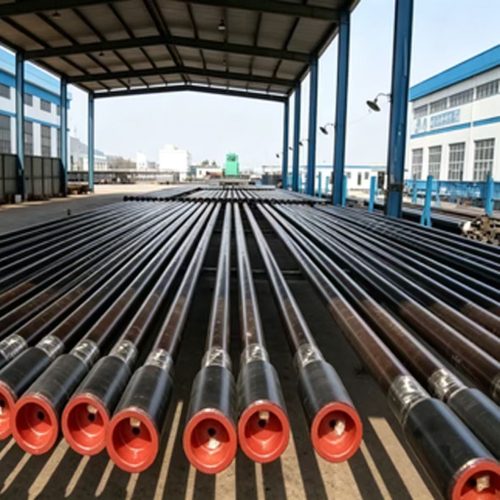
Drill pipe is a core component in drilling operations that connects the surface drilling rig to the downhole drill bit. It is a high-strength hollow seamless steel pipe with threads at both ends. Serving as the “backbone” for power transmission and the “blood vessel” for drilling fluid delivery, it directly determines the depth, efficiency and safety of drilling.

Types and Characteristics of Equipment

Type

Conventional Drill Pipe (Standard Drill Pipe)
The most commonly used type, forming the main body of the drill string.
It is a hollow steel pipe with threaded connections at both ends.
Features: moderate weight, adequate strength, high versatility.
Application: used in conventional drilling operations.
Heavy Weight Drill Pipe (HWDP)
Thicker wall, greater weight.
Features: high rigidity, resistance to bending, reduces stress concentration.
Application: installed between drill pipe and drill collars for weight transition, preventing thread galling and fatigue failure.
Kelly
Square or hexagonal cross-section.
Features: directly transmits rotary table torque without slipping.
Application: uppermost section of the drill string, connecting the drilling rig to the drill pipe.
Sour Service Drill Pipe (H₂S-Resistant Drill Pipe)
Made of special alloy steel.
Features: resistant to hydrogen embrittlement and sulfide stress cracking (SSC).
Application: used in sour oil and gas wells containing hydrogen sulfide.
Wear-Resistant / Corrosion-Resistant Drill Pipe
Surface-hardened or coated with anti-corrosion treatment.
Features: wear resistance, resistance to acidic and alkaline drilling mud.
Application: complex formations, offshore drilling, and highly corrosive environments.
Aluminum Alloy / Lightweight Drill Pipe
Light weight with relatively high strength.
Features: reduces rig load, easy to handle and transport.
Application: shallow wells, exploration drilling, and lightweight drilling rigs.

Features

Hollow structure: Transmits drilling fluid. Threaded ends: Enables rapid connection and extends well depth. High strength: Resists tension, compression, torsion and fatigue. Reusable: Can be reused if it passes wear inspection.
Basic Principles and System Composition

Basic Working Principle

Power Transmission Principle

The torque from the drilling rig is transmitted section by section through the drill pipe to the drill bit, causing the bit to rotate and break rock.

Drilling Fluid Circulation Principle

The drill pipe acts as a hollow channel:
High-pressure mud flows through the interior of the drill pipe to the drill bit. Cools and lubricates the drill bit. Carries cuttings back to the surface through the annulus between the drill pipe and the wellbore wall.

Load Bearing Principle

Made of high-strength steel, the drill pipe withstands multiple forces simultaneously:
Tension (self-weight + hoisting force) Torque (rotational force) Compression (downward weight on bit) Bending force (deviated wells and complex well sections)

Well Depth Extension Principle

A single joint of drill pipe has limited length. By connecting multiple joints end-to-end via threaded connections at both ends, deep well drilling is achieved.

Overall System Composition

Full Drill String (Drill Pipe System)

From top to bottom:
Kelly The uppermost component, transmits rotational power from the drilling rig.
Conventional Drill Pipe Main body of the drill string, extends well depth and circulates drilling mud.
Heavy Weight Drill Pipe (HWDP) Transition section, reduces bending and fatigue, assists with weight on bit.
Drill Collar Heavy and thick, mainly provides weight on bit and ensures wellbore stability.
Downhole Tools Including stabilizers, jars, directional instruments, etc.
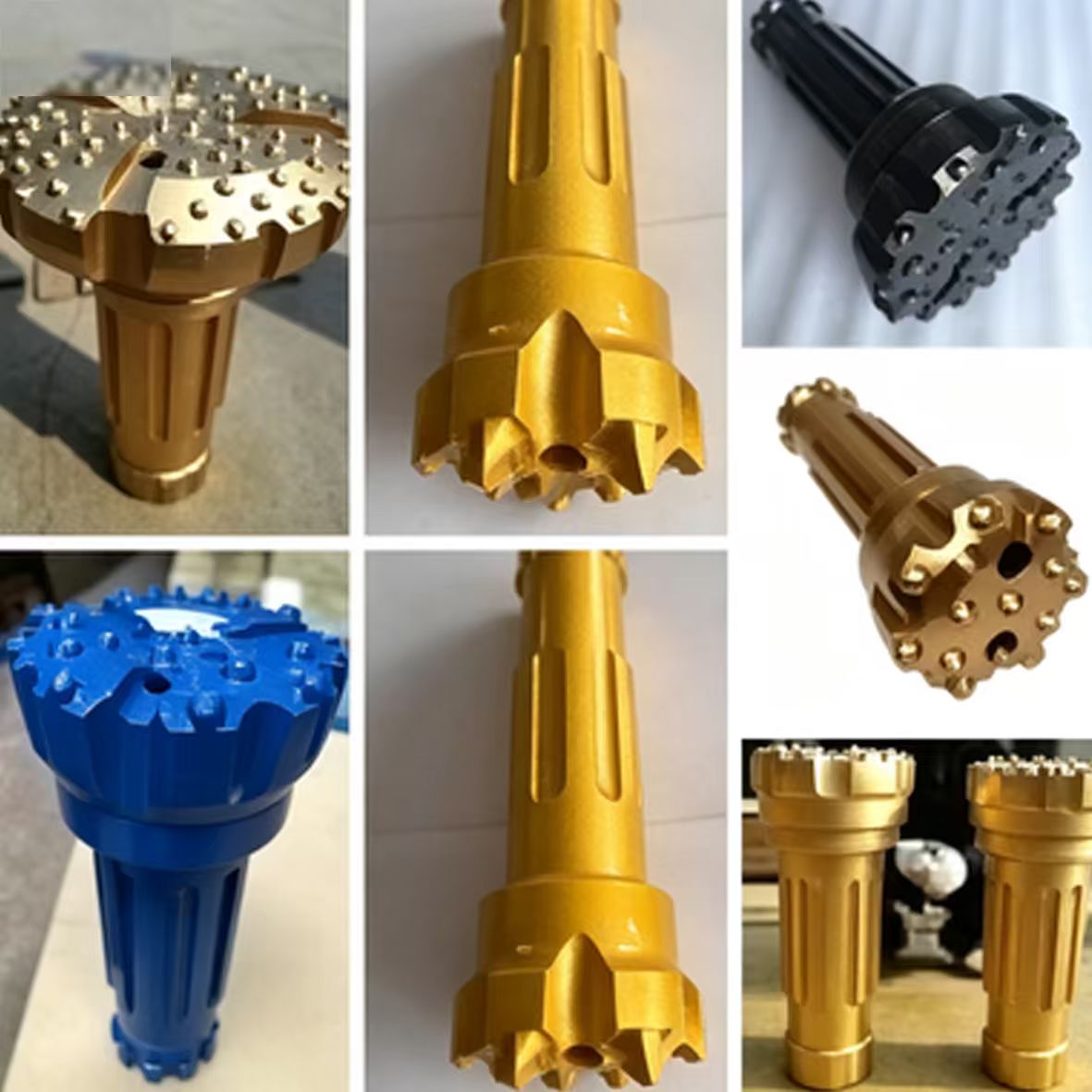
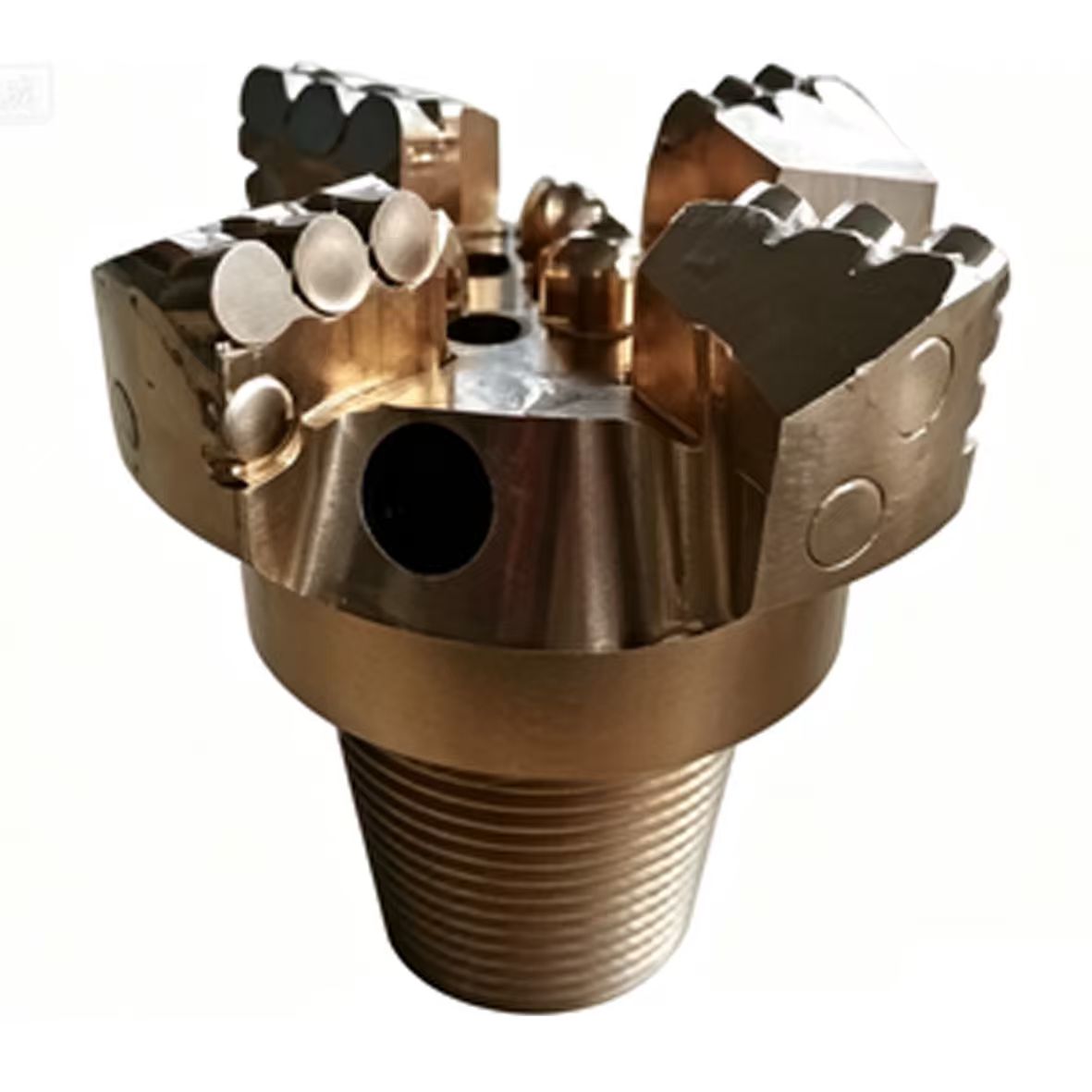
Drill Bit Lowermost component, breaks and crushes rock formations.

Basic Principles and System Composition

Drill Pipe Operation Process
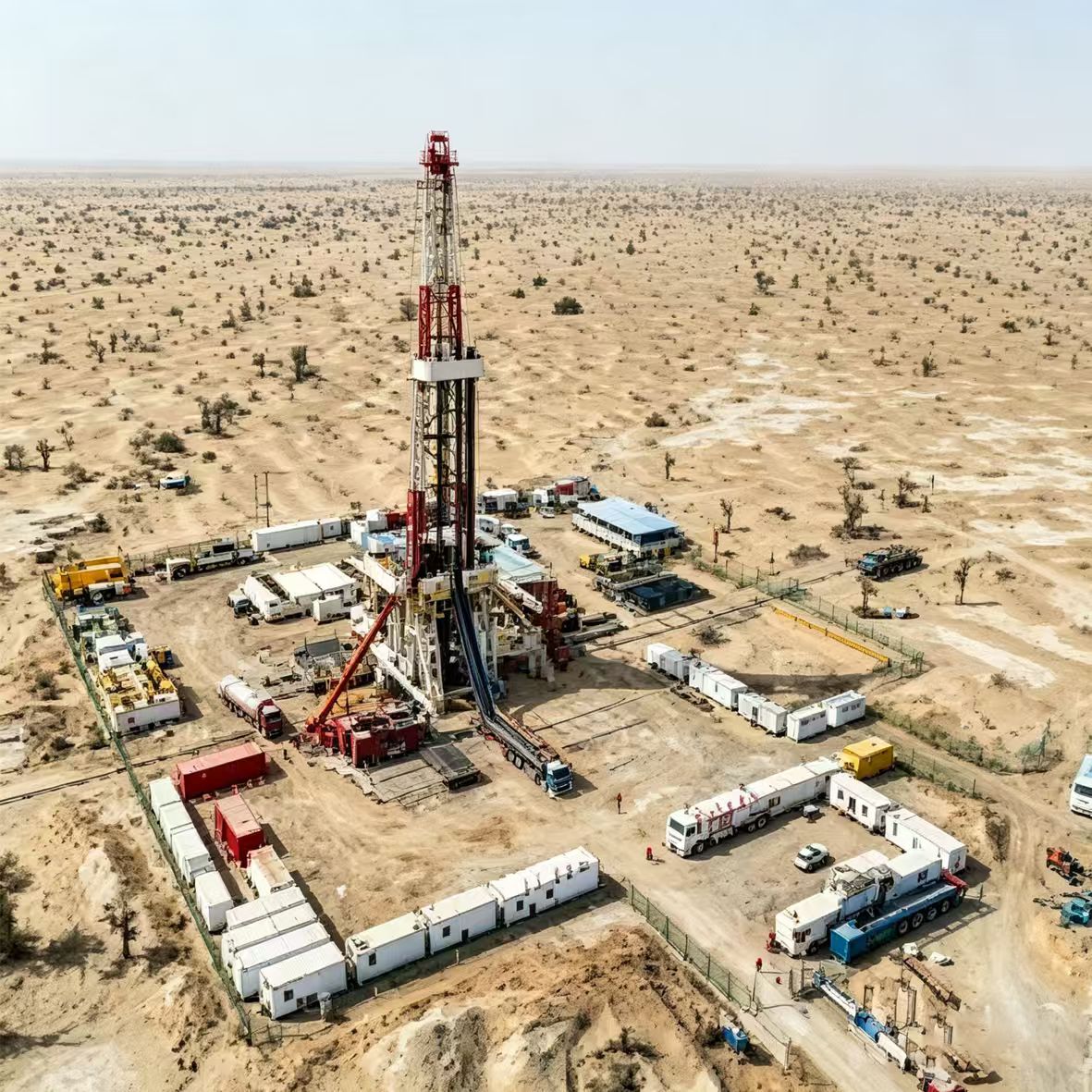
Preparation: Level the well site, install and commission the drilling rig, and inspect drill pipes and supporting equipment.
Drilling: Transmit torque through the drill pipe to drive the drill bit for rock breaking, while circulating drilling fluid to cool the bit and carry cuttings.
Making up connections / Tripping pipe: After drilling a single joint, connect a new drill pipe via tool joints to extend the well depth. Pull out the drill string when bit replacement is required.
Circulating & hole cleaning: Drilling fluid flows downward inside the drill pipe and returns through the annulus between the drill pipe and wellbore, removing cuttings and cooling the bit.
Well completion: After reaching the target depth, pull out the drill string and perform cementing. Monitor drill pipe loads and operating conditions throughout the process to ensure safety.

Multilingual Support

Multilingual professional foreign trade support 
One-stop Logistics

Full logistics, customs clearance & shipping arrangement.

Complete Export Docs

Complete export documentation: inspection reports,etc.

On-time delivery excellence

Guaranteed punctual delivery via efficient production & logistics management.

After-sales & Tech Support

Timely after-sales & technical support for overseas clients.