


Atmospheric Pressure Liquid Tank Truck
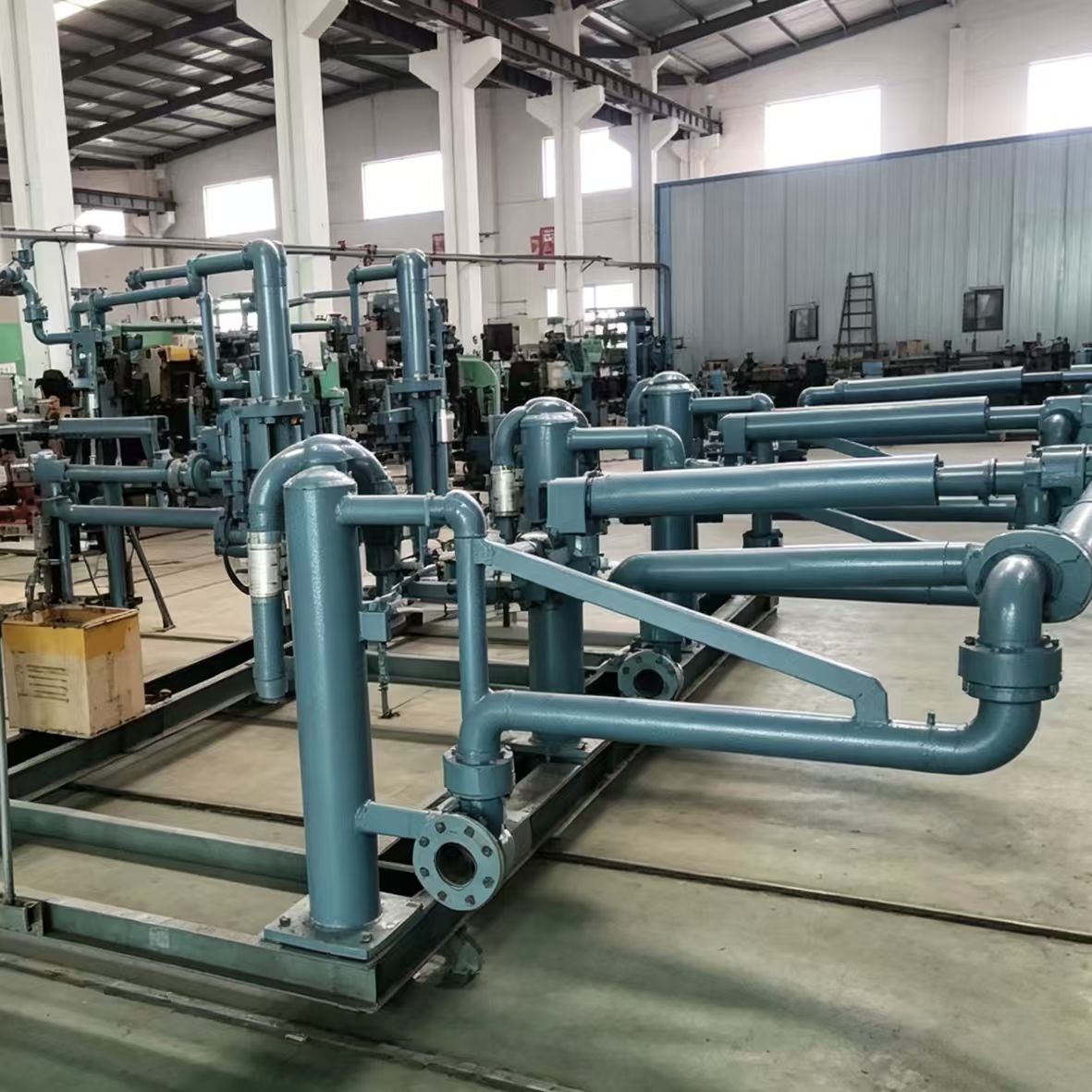
Key Equipment: Emergency shut-off valve, breathing safety valve, anti-wave baffle, bottom loading arm.
Core Technologies: Closed bottom loading (VOCs recovery rate ≥ 95%), flow rate control (1–4.5 m/s), corrosion-resistant materials, intelligent monitoring.
Product Introduction
Types and Characteristics of Equipment
Type
Atmospheric pressure liquid tank trucks are special tank vehicles used for transporting petroleum, chemical products, grain and oil, and other atmospheric liquids (operating pressure < 0.1 MPa). They mainly consist of a tank body, chassis, loading and unloading system, and safety accessories. Operations follow the principles of "closed transfer, speed control, and leakage prevention", with compliance and safety as the top priorities.
Features
Core features:Available in carbon steel or aluminum alloy, equipped with elliptical heads and wave-proof baffles for compartmentalization. High flow rate, low product loss, and bottom loading/unloading are preferred. Fitted with wave-proof plates, breather valves, and emergency shut-off valves.
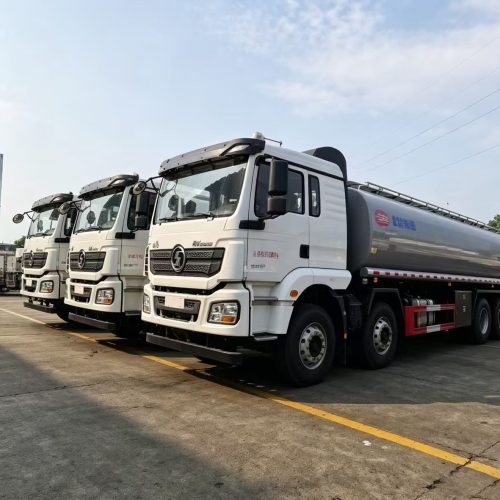
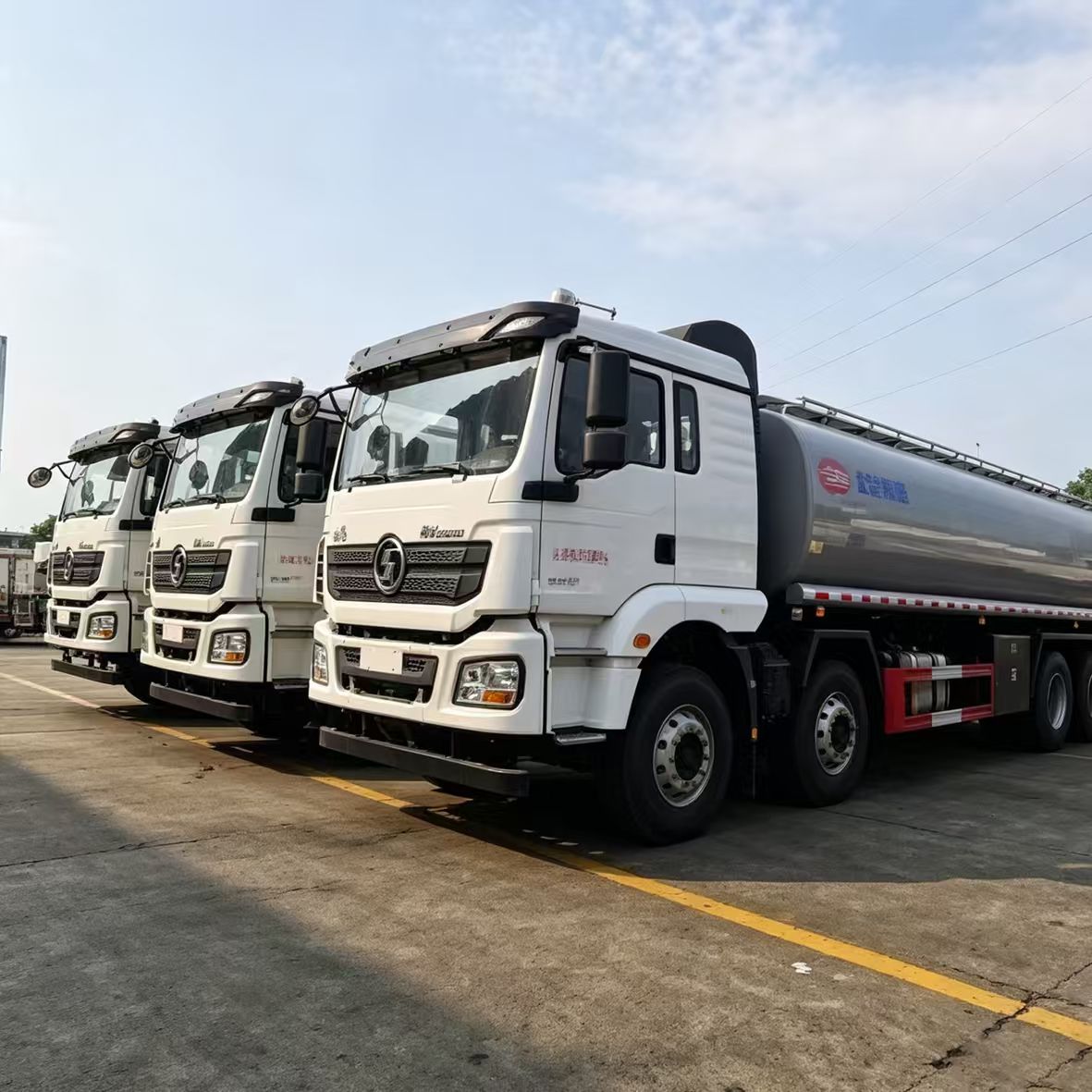
Atmospheric Pressure Liquid Tank Truck
Atmospheric pressure liquid tank truck is used for safe transport of non-pressurized liquids.
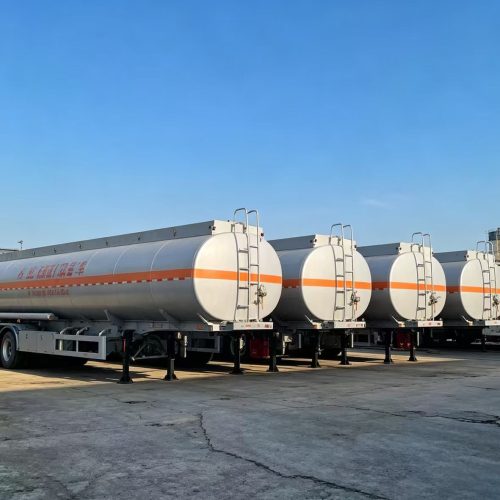
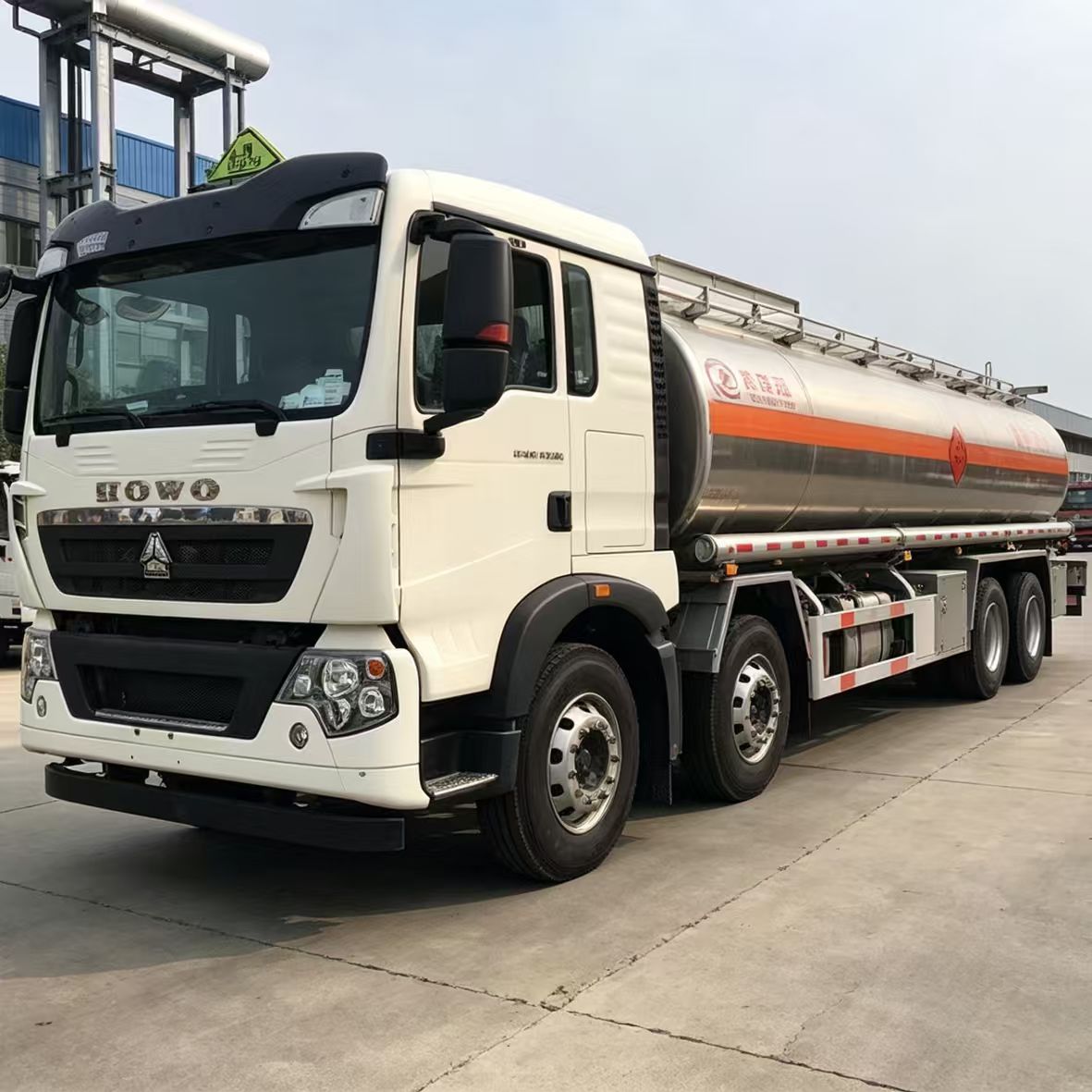
Atmospheric Pressure Liquid Tank Truck
It features stable structure, good sealing and reliable performance in daily transportation.
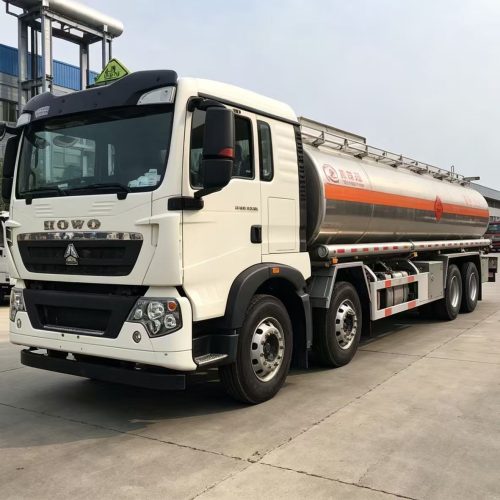
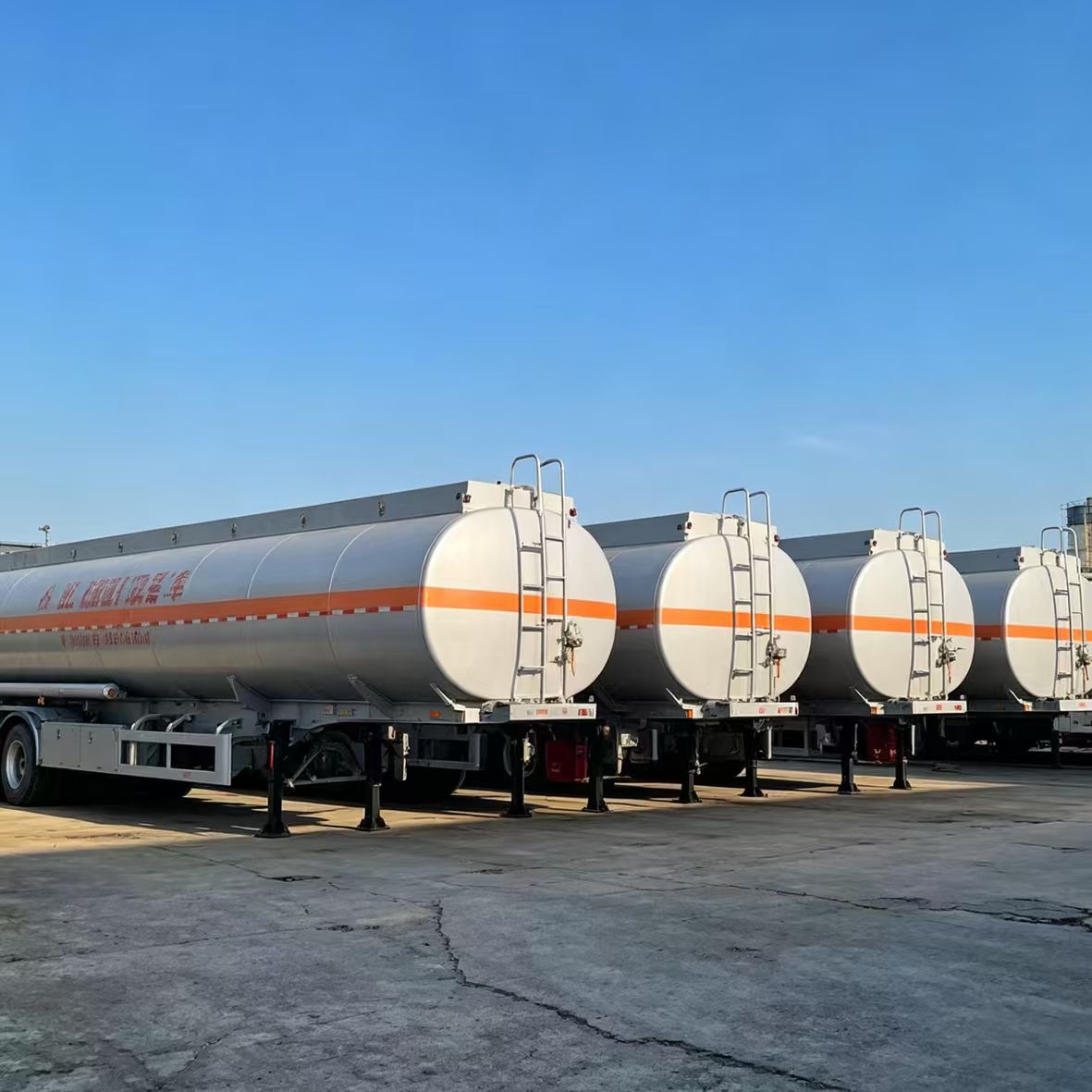
Atmospheric Pressure Liquid Tank Truck
Widely applied in oil, chemical, water and engineering liquid logistics.
Basic Principles and System Composition
Basic Working Principle
Core Principle: Transport by means of closed vessels combined with gravity or pump pressure, and use safety accessories to balance pressure difference and prevent leakage.
Overall System Composition
System Composition: Tank assembly (head, cylinder, etc.), chassis and traveling system, loading and unloading system, and safety accessories (breather valve, emergency shut-off valve, etc.).
Basic Principles and System Composition
Pre-operation
Verify vehicle and personnel qualifications, inspect equipment and operating environment, and ensure proper static grounding.Loading
Position the vehicle → Ground static → Connect pipelines and test for leakage → Controlled-speed filling (≤95% volume) → Final re-inspection.Unloading
Position and ground the vehicle → Connect pipelines and test for leakage → Open valves slowly → Controlled-speed unloading → Recover residual liquid and complete finishing work.Emergency Response
Close emergency shut-off valves in case of leakage; use foam or dry powder to extinguish fires; provide first aid to injured personnel and transfer to hospital promptly.Related products

Multilingual Support
Multilingual professional foreign trade support
One-stop Logistics
Full logistics, customs clearance & shipping arrangement.

Complete Export Docs
Complete export documentation: inspection reports,etc.

On-time delivery excellence
Guaranteed punctual delivery via efficient production & logistics management.

After-sales & Tech Support
Timely after-sales & technical support for overseas clients.