



Cementing Pump
Power End
Crankshaft, connecting rod, crosshead, providing reciprocating powerFluid End
Pump cylinder, plunger, valve box, suction / discharge valves, enabling high-pressure pumpingReduction Transmission Device
Matching rotational speed and torqueLubrication and Cooling System
Ensuring continuous and stable operationHigh-pressure Manifold, Safety Valve
Controlling pressure and ensuring safetyVariable Frequency / Electric Control System
Adjusting displacement and pressureCore Technologies
Fluid End: Forged high-pressure pump head, wear-resistant plungers, long-life combined seals, high-efficiency wear-resistant valve assemblies Power End: High-strength crankshaft-connecting rod mechanism, forced lubrication, low-wear guiding structure Drive & Control: Variable frequency / diesel power drive, dual closed-loop control of pressure and displacement, safety interlock and intelligent monitoring Materials & Processes: Ceramic / cemented carbide for wetted parts, surface strengthening for wear and corrosion resistance System Integration: Skid-mounted modular design, dual-pump redundancy, adaptable to deep well / offshore conditionsCore Highlights
Product Introduction
Cementing pumps are core high-pressure operating equipment in petroleum drilling and completion operations. They mainly adopt a three-cylinder or five-cylinder plunger pump structure, and can continuously and stably deliver media such as cement slurry and spacer fluid under high-pressure and large-displacement working conditions.
Driven by the power system, the plungers perform reciprocating motion to inject the prepared cement slurry into the wellbore annulus at a set pressure, completing cementing and sealing. This ensures tight bonding between the casing and the formation, realizes wellbore sealing, strengthens the well wall, and prevents fluid channeling between formations.
Widely used in cementing, fracturing, pressure testing and other engineering operations in onshore and offshore oil and gas fields, they feature high pressure, large displacement, reliable operation, wear resistance and corrosion resistance.
Types and Characteristics of Equipment
Type
Cementing PumpTriplex single-acting horizontal reciprocating plunger pump / High-pressure oilfield cementing plunger pump. Truck-mounted cementing units, skid-mounted cementing packages, pressure testing, squeeze cementing, and acidizing operations
Features
600HP high power with high pressure and large displacement, meeting the requirements of deep well cementing. Triplex single-acting structure ensures stable operation, low pulsation and easy maintenance. Export-grade reliability, suitable for -40℃ extreme cold in Russia and high-temperature deserts in the Middle East. Designed in accordance with API standards, the fluid end features wear and sand erosion resistance for long service life. Modular structure allows easy assembly and disassembly, with high spare parts universality and convenient overseas operation and maintenance. Supports EAC, IECEx, API 6A/16C certifications, directly supplied to Russia, the Middle East and Tanzania.
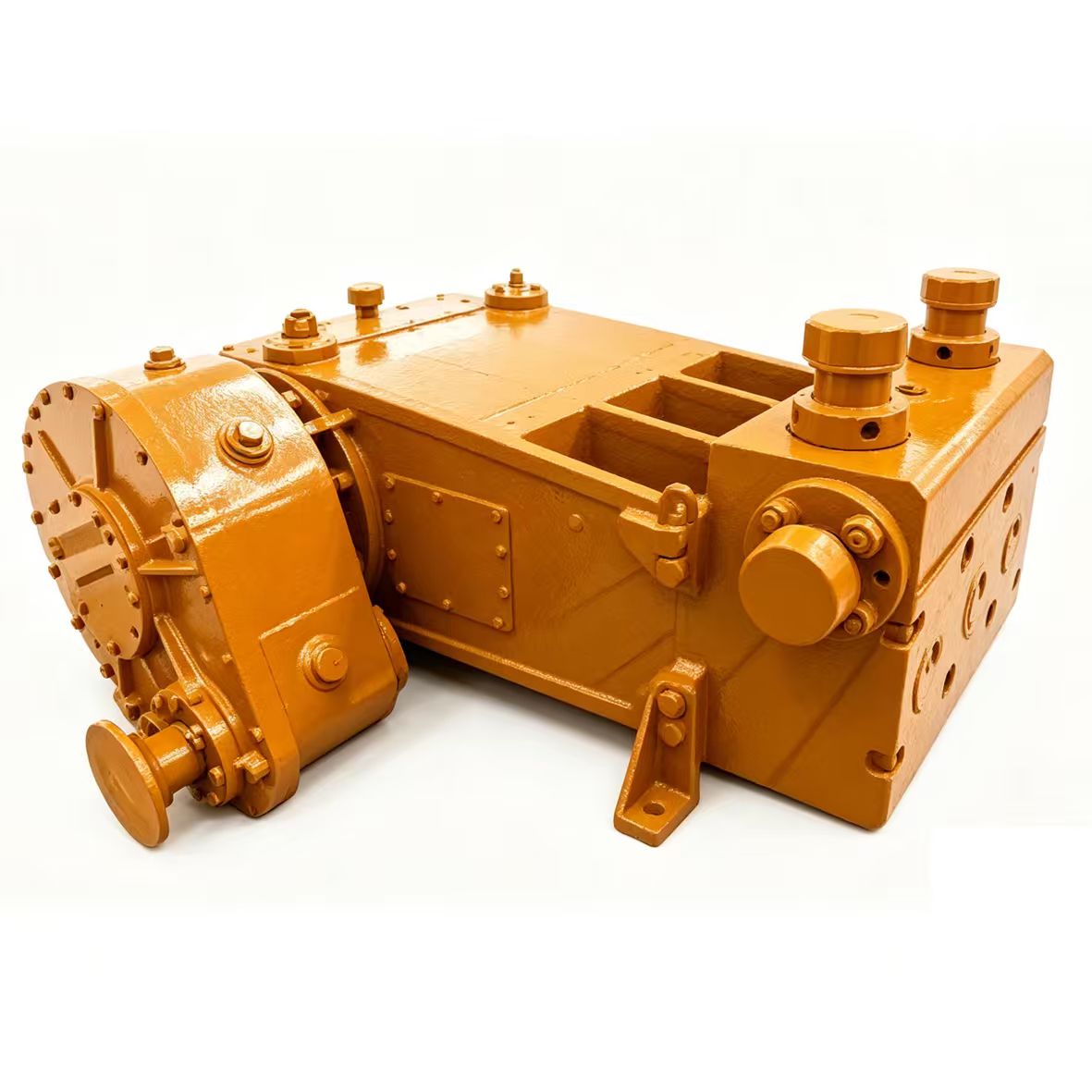
Main body of triplex single‑acting plunger pump
Oilfield high-pressure plunger pump for wellbore cementing and sealing.
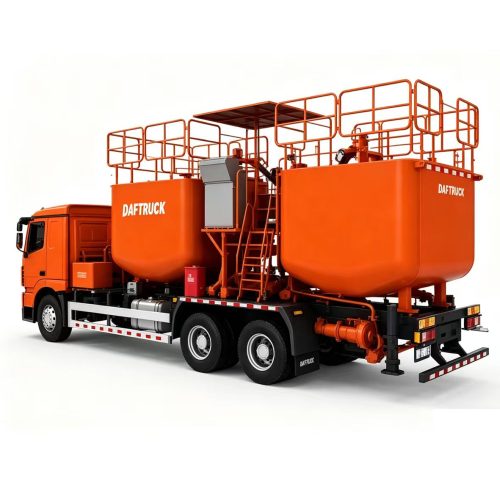
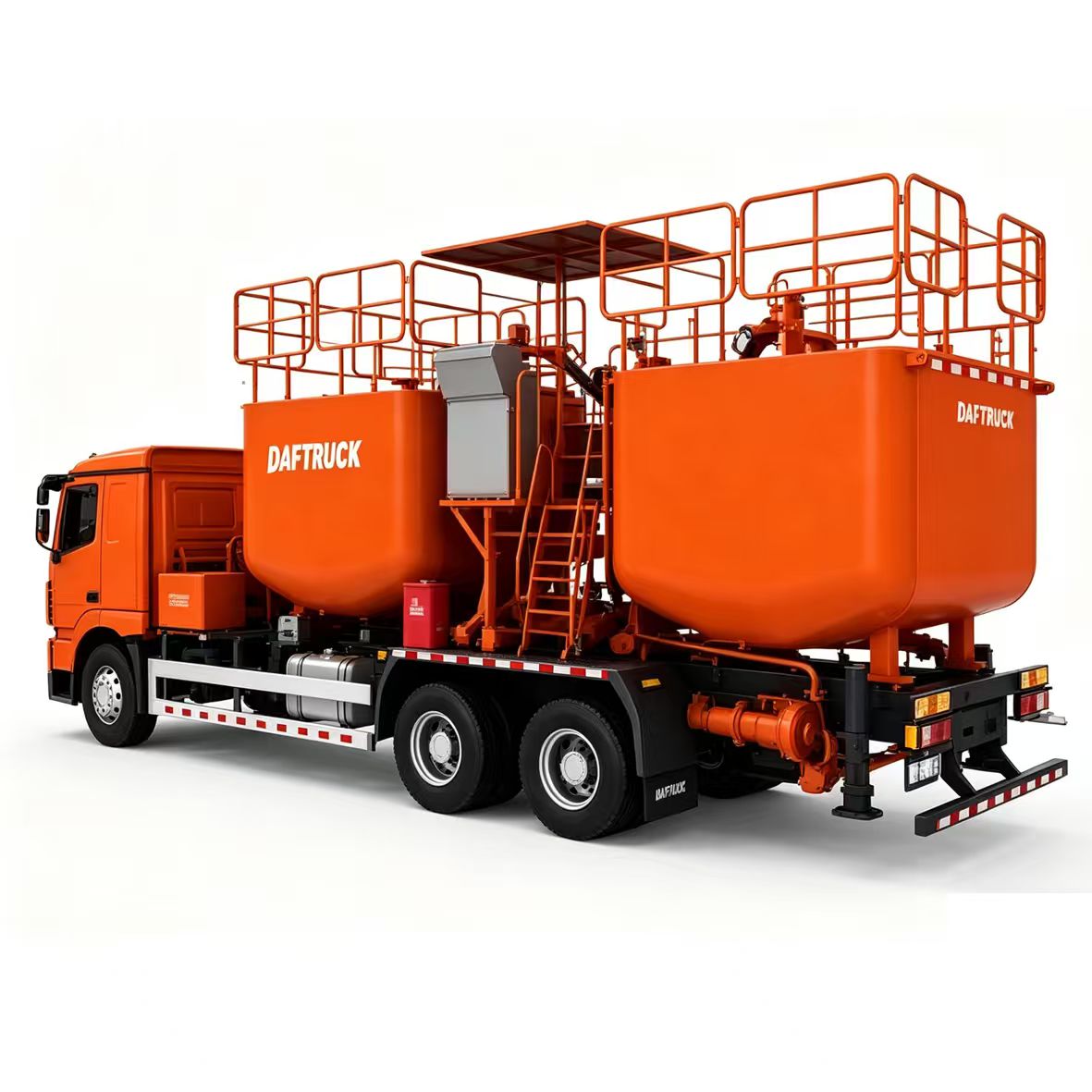
Mounted on the cementing truck (overall appearance of the complete unit)
Triplex/quintulex structure for stable high-pressure large-volume slurry delivery
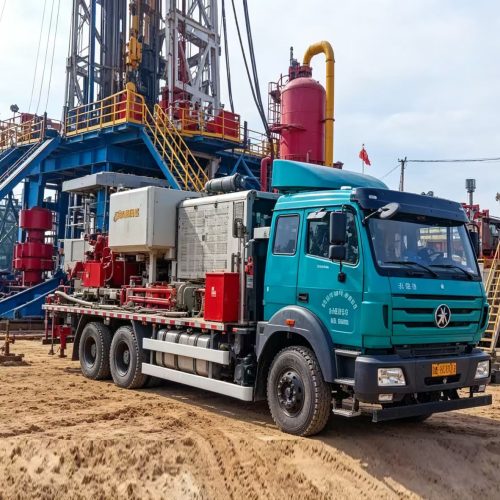
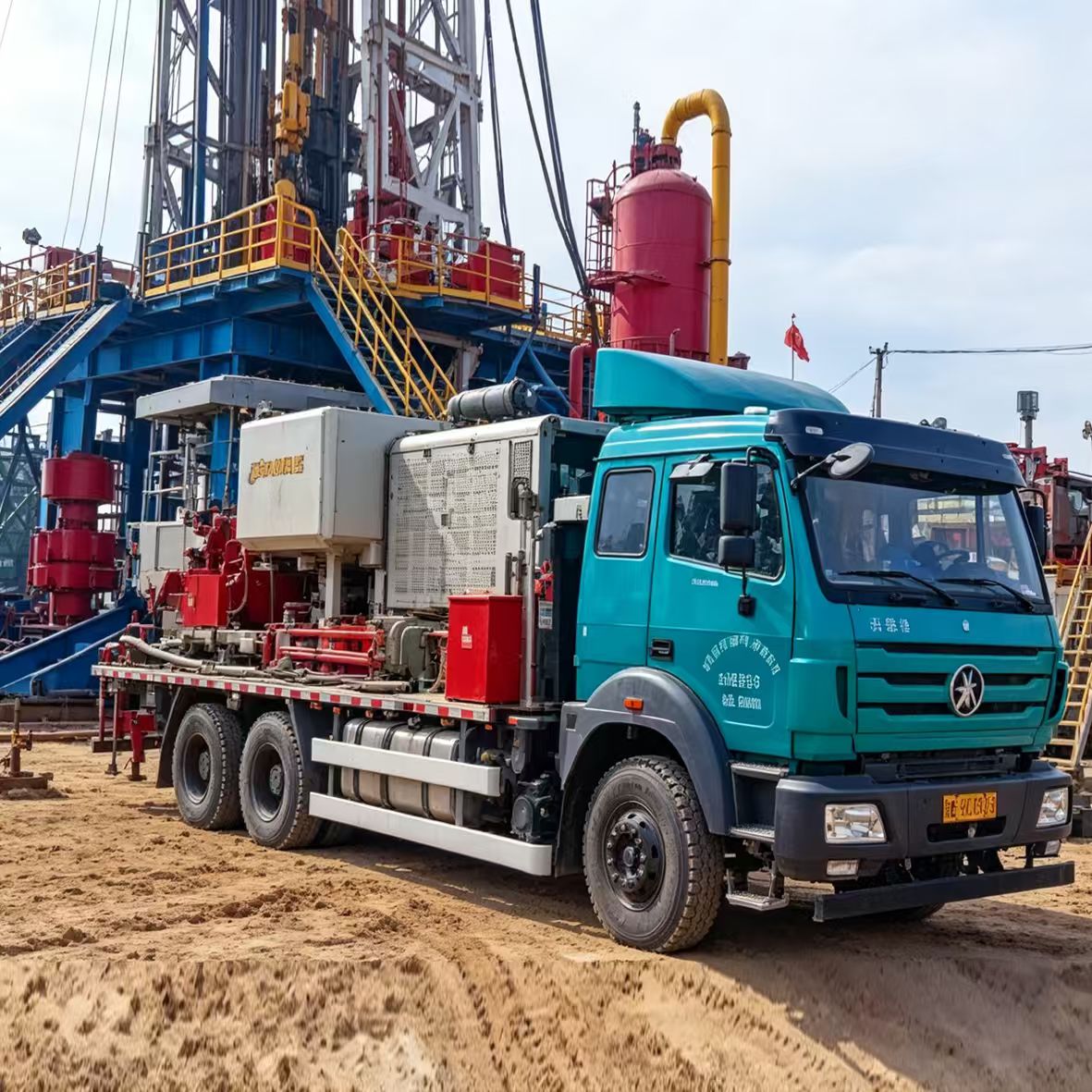
Cementing pump operation on site (truck-mounted)
Dual power-fluid end design, wear-resistant and corrosion-proof for continuous operation
Basic Principles and System Composition
Basic Working Principle
Working Principle
Power end (engine / motor) → gearbox → crankshaft connecting rod mechanism → drives the plunger to reciprocate.Plunger suction stroke
Suction valve opens, discharge valve closes, and cement slurry / clean water is sucked in.Plunger discharge stroke
Discharge valve opens, suction valve closes, and fluid is discharged at high pressure. Continuous high-pressure pumping is realized through reciprocating motion to complete cementing operations.Overall System Composition
System Composition
Power End
Crankshaft, connecting rod, crosshead, bearings, gearbox, lubrication systemFluid End
Pump head, plunger, liner, suction / discharge valve assemblies, sealing rings, pressure gauge portLubrication System
Forced lubrication + splash lubrication to protect bearings, gears and crossheadCooling System
Ensures stable oil temperature during continuous operationControl & Safety System
Overpressure protection, overload protection, pressure sensor, start-stop controlBasic Principles and System Composition
Operating Procedure (Cementing Condition)
Preparation Stage
Check lubricating oil, coolant and valve status, connect suction and discharge manifolds.
Suction & Slurry Preparation
Suction cement slurry from the mixing tank and idle at low speed to exhaust air.Pressure Test & Pressure Building
Gradually increase the rotating speed to pressure test the manifolds and wellhead, and confirm no leakage.Related products
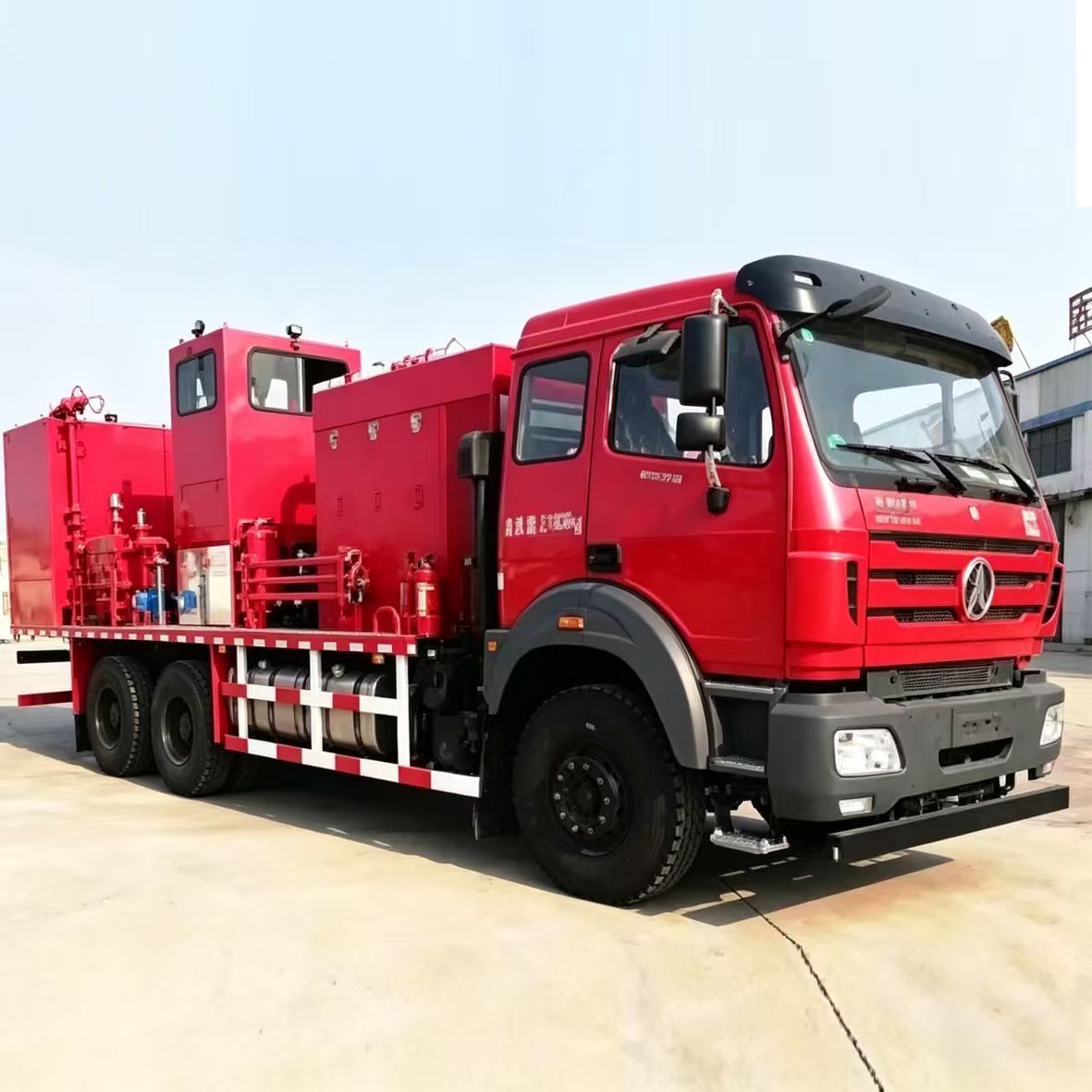

Multilingual Support
Multilingual professional foreign trade support

One-stop Logistics
Full logistics, customs clearance & shipping arrangement.

Complete Export Docs
Complete export documentation: inspection reports,etc.

On-time delivery excellence
Guaranteed punctual delivery via efficient production & logistics management.

After-sales & Tech Support
Timely after-sales & technical support for overseas clients.