



Safety Monitoring Equipment
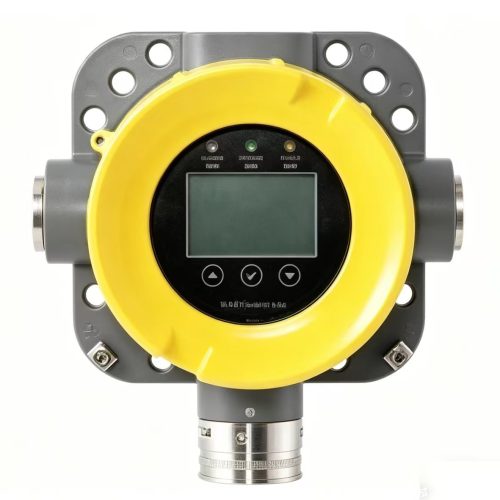
Core equipment directly determines the monitoring precision, stability and working condition adaptability, mainly including (Chinese-English comparison): Sensing core equipment: Gas sensors (catalytic combustion type, electrochemical type), pressure sensors (diffused silicon type, capacitive type), temperature sensors (thermocouple, PT100 RTD), which are the core of data collection and determine the monitoring precision. Data processing equipment: Industrial-grade data processor, PLC controller, supporting data operation, threshold comparison and instruction issuance, adapting to the environmental needs of different working conditions (high temperature, extreme cold). Early warning and linkage equipment: Sound and light alarm, high-definition display screen, relay module, ensuring clear early warning and timely linkage, adapting to high-risk operation scenarios. Protection equipment: Explosion-proof shell, dust-proof seals, low-temperature insulation shell, adapting to different scenarios such as Middle East deserts, Russia's extreme cold and Tanzania's wild fields, extending the service life of equipment.
Core technologies focus on monitoring precision, working condition adaptation and early warning efficiency, adapting to the different environmental needs of the three major markets, mainly including (Chinese-English comparison): High-precision sensing technology: Adopting imported sensitive elements, monitoring precision ≤ ±3%FS, response time ≤ 3s, which can accurately capture small parameter changes and avoid false alarms and missed alarms. Extreme environment adaptation technology: High-temperature sand-proof technology (adapting to 55℃ deserts in the Middle East), low-temperature resistant technology (adapting to -45℃ extreme cold in Russia), sulfur and corrosion resistant technology (adapting to high-sulfur oil and gas fields), ensuring stable operation of equipment. Intelligent early warning and linkage technology: Supports custom threshold setting, automatically issues sound and light early warning and links emergency equipment when abnormal, and can realize remote monitoring and data upload, adapting to unattended scenarios. Explosion-proof and anti-interference technology: Explosion-proof shell design (complying with ATEX, IECEx, CU-TR certifications), shielded cable transmission, avoiding electromagnetic interference and sand dust erosion, adapting to high-risk operation scenarios.
Product Introduction
Safety Monitoring Equipment is the core safety guarantee equipment in scenarios such as industrial production, oil and gas operations, and mining. Its core function is to real-time capture on-site potential safety hazards (gas leakage, excessive pressure, abnormal temperature, etc.), issue early warnings in a timely manner and link emergency measures to prevent casualties, equipment damage and safety accidents. It is widely adapted to different working conditions in the Middle East, Russia, Tanzania and other regions, with Chinese-English comparison throughout to ensure professionalism, standardization and comprehensibility.
Types and Characteristics of Equipment
Type
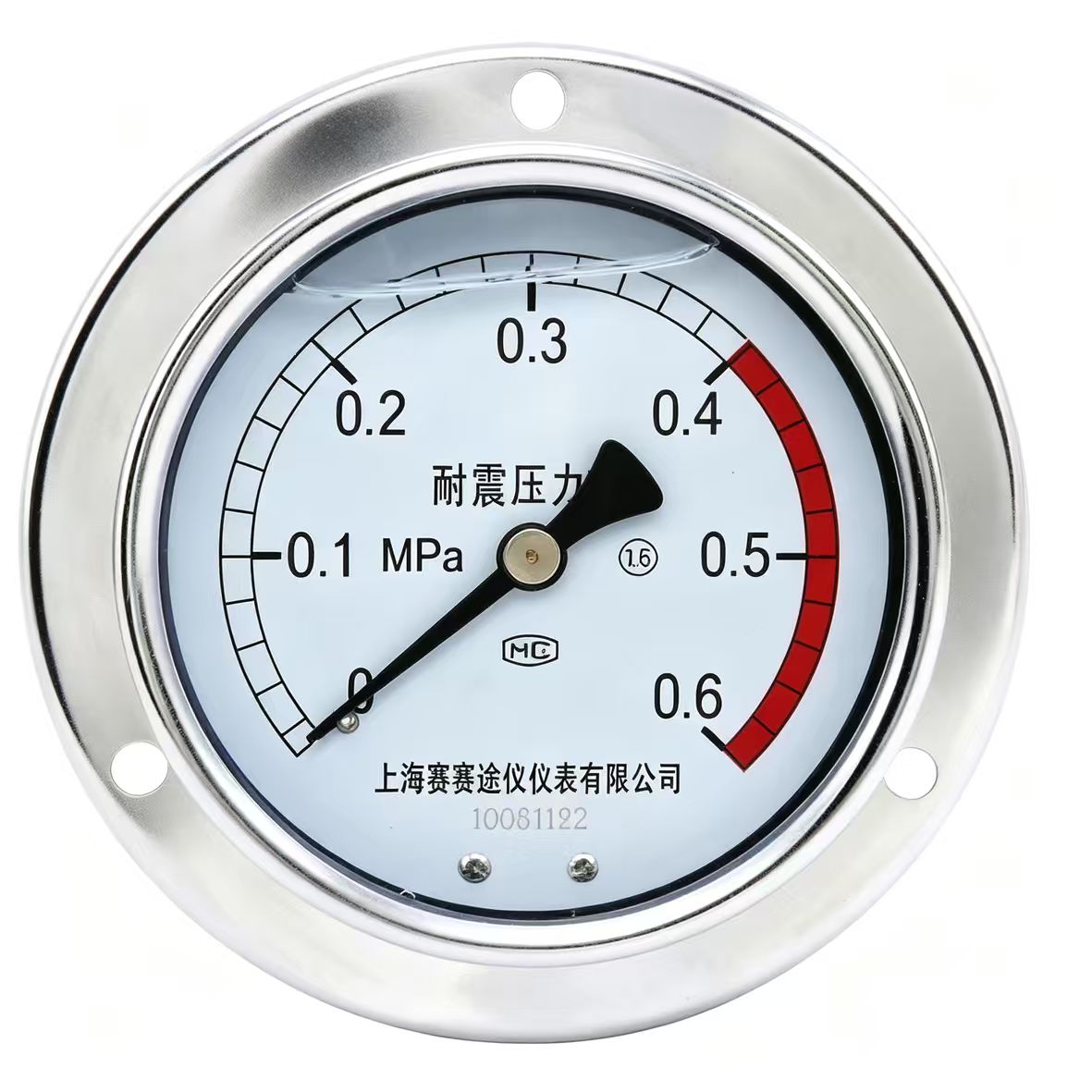
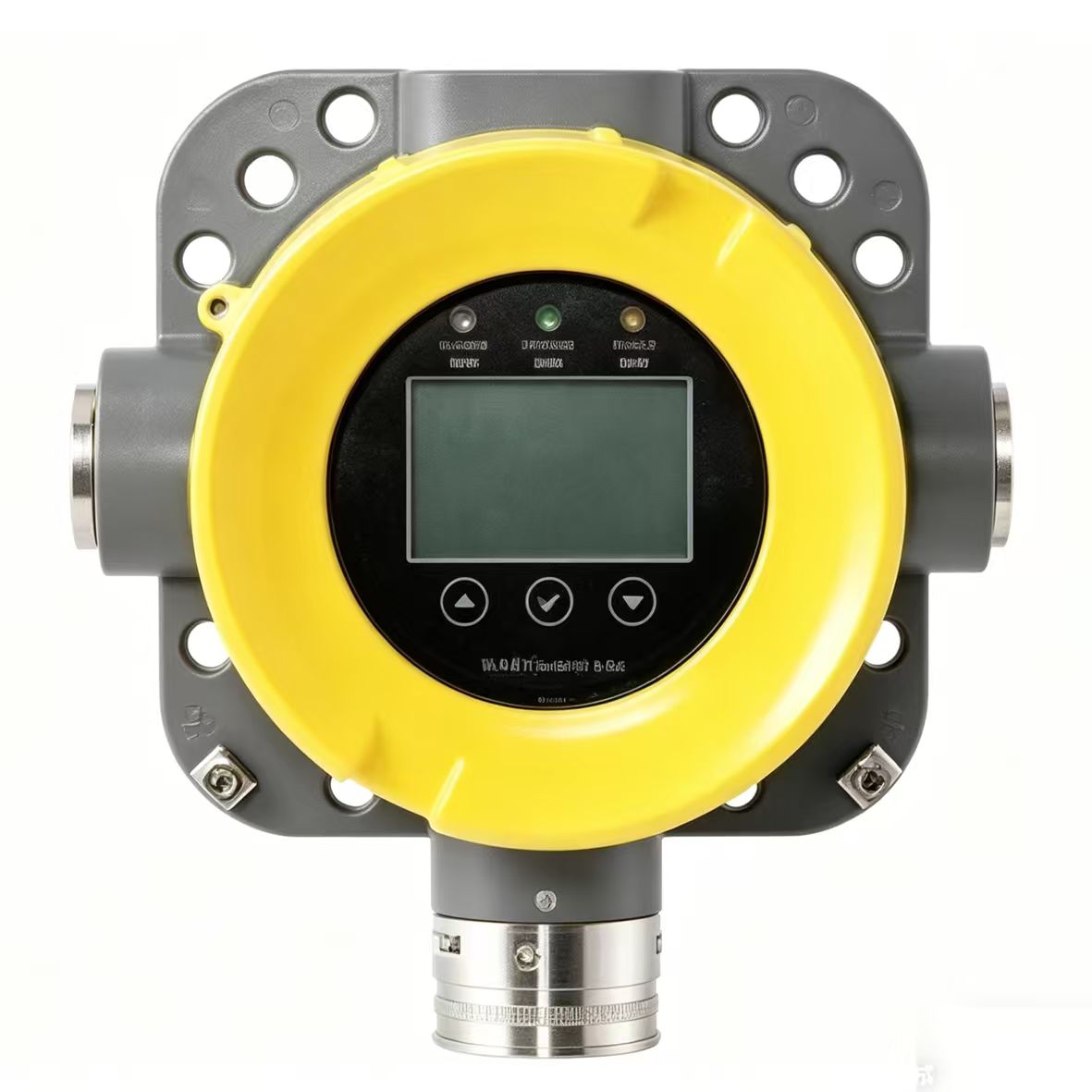
According to the differences in monitoring objects, application scenarios and functions, safety monitoring equipment is mainly divided into 4 categories. Each type of equipment has distinct characteristics and is specifically adapted to different needs, as follows (Chinese-English comparison): Gas Monitoring Equipment Toxic and Harmful Gas Detector Pressure Safety Monitoring Equipment
Features
Divided into portable (on-site inspection) and fixed (24-hour continuous monitoring) types, with high detection precision (error ≤ ±3%FS), fast response (≤3s), and sound and light alarm function. It can detect common flammable gases such as methane, ethane and propane, and is suitable for all oil and gas operation scenarios in the three major markets. High sensitivity, strong anti-interference, response time ≤ 3s, can detect toxic gases such as hydrogen sulfide, carbon monoxide and chlorine, supports real-time concentration display and data storage, adapts to high-sulfur oil and gas fields in Russia and refining scenarios in the Middle East, and can link emergency measures such as ventilation and gas source cut-off. Divided into pointer type and digital type. The digital type supports pressure threshold setting and overpressure sound and light early warning, can link with the control system to realize automatic pressure relief, has high detection precision, adapts to high-pressure service rigs in the Middle East and deep oil and gas wells in Russia, complying with API 7K standards.
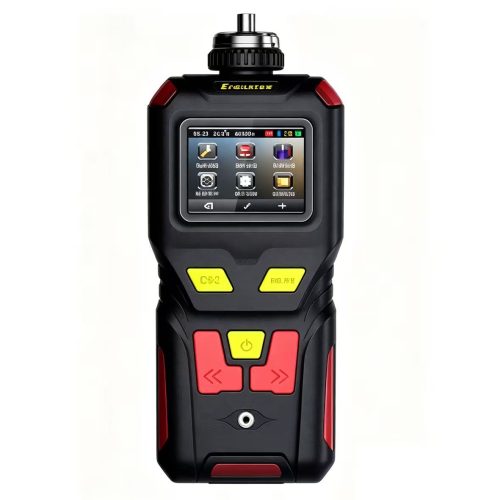
Safety Monitoring Equipment
Safety monitoring equipment detects hazards such as gas leaks, temperature anomalies and pressure changes in real time.
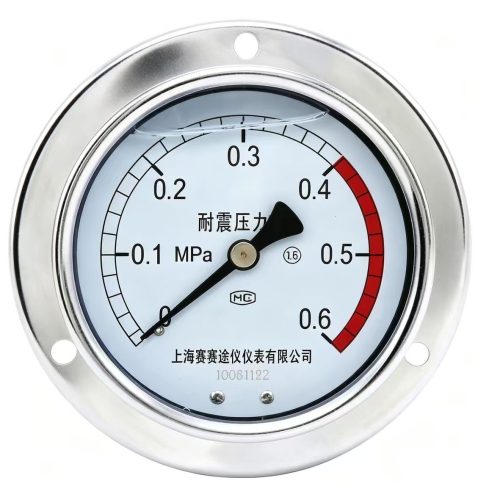
Safety Monitoring Equipment
It ensures safe operation in oilfields, refineries and industrial production facilities.
Safety Monitoring Equipment
It provides early warnings to prevent accidents and protect personnel and equipment.
Basic Principles and System Composition
Basic Working Principle
The core principle of safety monitoring equipment is the closed-loop cycle of "collection → identification → early warning → linkage": the core sensing elements capture on-site safety parameters (gas concentration, pressure, temperature, etc.), convert physical signals into electrical signals, transmit them to the data processing unit, and compare them with preset safety thresholds. If the threshold is exceeded, a sound and light early warning is issued immediately, and emergency equipment (pressure relief valve, ventilation equipment, fire-fighting equipment, etc.) is linked to realize rapid disposal of potential safety hazards, which operates automatically without real-time manual intervention.
Overall System Composition
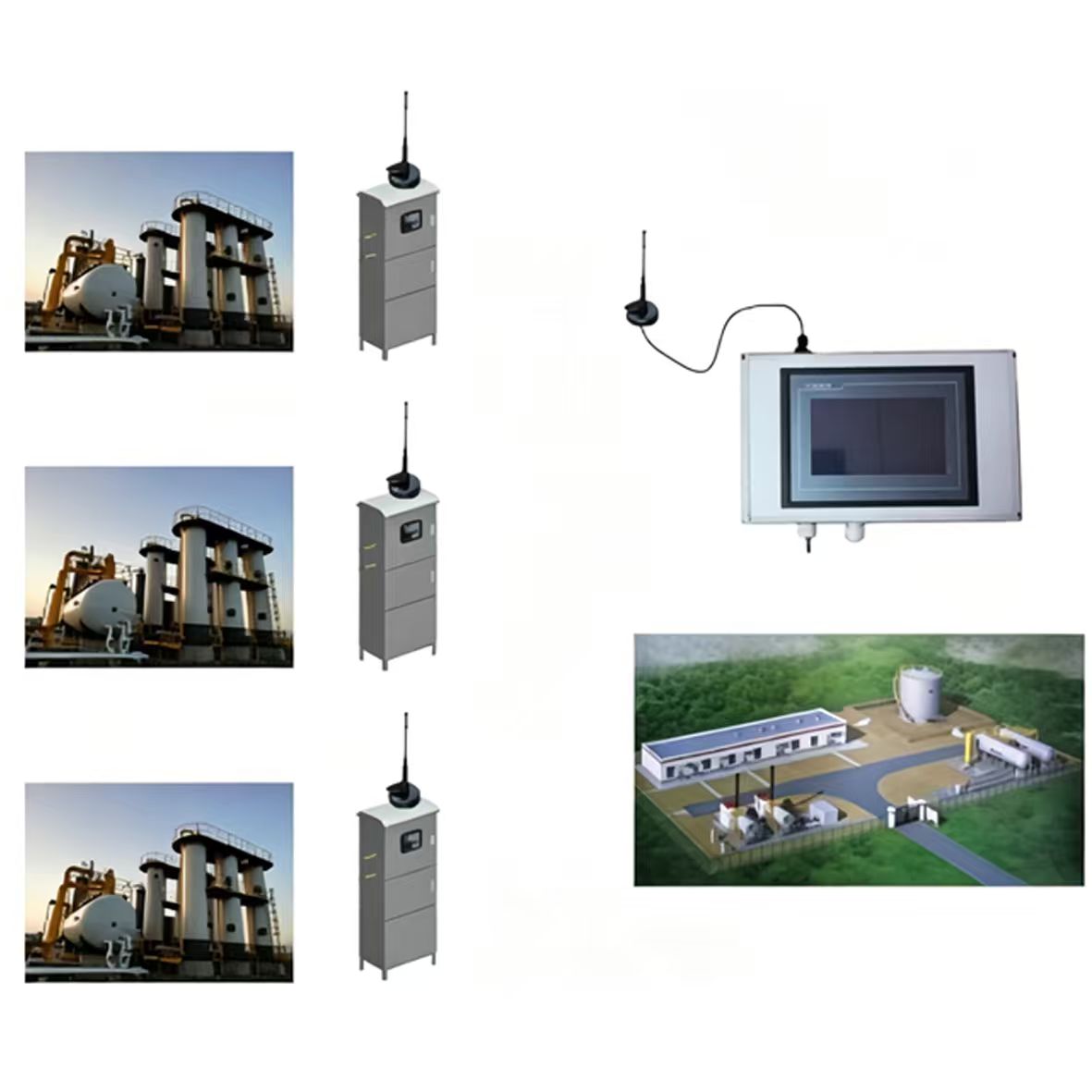
Regardless of the type of safety monitoring equipment, it is composed of four core units, which work together to ensure accurate monitoring, timely early warning and efficient linkage, as follows: Core components: Sensors (gas sensors, pressure sensors, temperature sensors, etc.), responsible for capturing on-site safety parameters and converting physical signals (gas concentration, pressure, temperature) into identifiable electrical signals, which are the core source of monitoring data. Core components: Data processor, single-chip microcomputer, responsible for receiving electrical signals transmitted by the collection unit, analyzing and calculating the data, comparing with preset safety thresholds, judging whether there are potential safety hazards, and issuing early warning or linkage instructions. Core components: Sound and light alarm, display screen, responsible for receiving instructions from the data processing unit. When there are potential safety hazards, it issues a sound and light early warning (sound ≥85dB, eye-catching light), and displays abnormal parameters on the display screen in real time to remind operators to dispose of them in a timely manner. Core components: Relay, control module, responsible for receiving linkage instructions from the data processing unit, connecting to the control system and emergency equipment (pressure relief valve, ventilation equipment, fire-fighting equipment, etc.), realizing automatic pressure relief, ventilation, fire fighting and other emergency disposal to prevent the expansion of hidden dangers.
Basic Principles and System Composition
The operation process of safety monitoring equipment follows the standardized process of "installation → commissioning → operation monitoring → maintenance → calibration" to ensure accurate monitoring and stable operation of the equipment, with Chinese-English comparison throughout, conforming to on-site operation specifications: Select the appropriate monitoring equipment and installation position according to on-site working conditions (high temperature in the Middle East, extreme cold in Russia, etc.), inspect the integrity of the equipment appearance and core components (sensors, alarms), and prepare installation tools, seals and protective accessories. Fix the equipment at the preset position, install sensors (ensure contact with medium or alignment with the monitoring area), connect cables (shielded cables to avoid interference), install protective shell (adapting to on-site environment), and ensure the equipment is firmly installed, well-sealed, without looseness or leakage. Turn on the power, start the equipment, and check the operation status of each unit (collection, processing, early warning, linkage); calibrate the sensor with standard calibration equipment (standard gas, standard pressure gauge, standard thermometer), set safety thresholds (adjust according to on-site working conditions), test the early warning function and linkage effect, and ensure accurate monitoring and timely early warning. When the equipment is in normal operation, real-time observe the monitoring parameters (gas concentration, pressure, temperature, etc.) on the display screen to confirm that the parameters are within the safe range; if an abnormality occurs, timely check the early warning information, start emergency linkage measures, investigate hidden dangers, and record abnormal data and disposal conditions. Regularly clean the sensor (avoid sand dust and medium adhesion affecting precision), inspect the cable connection and integrity of seals, clean up debris on the equipment surface; check the status of power supply and alarm, replace aging components (sensors, batteries, etc.) in a timely manner, and record maintenance logs. Every 6-12 months, comprehensively calibrate the sensors and monitors with standard calibration equipment, adjust parameters to ensure the monitoring precision continues to meet the standard; timely repair or replace unqualified equipment to avoid potential safety hazards caused by monitoring deviations.
Related products

Multilingual Support
Multilingual professional foreign trade support

One-stop Logistics
Full logistics, customs clearance & shipping arrangement.

Complete Export Docs
Complete export documentation: inspection reports,etc.

On-time delivery excellence
Guaranteed punctual delivery via efficient production & logistics management.

After-sales & Tech Support
Timely after-sales & technical support for overseas clients.