


.jpg)
1.jpg)
2.jpg)
SBR
Core Equipment
Polymerization Reactor: Pressure-resistant and corrosion-resistant, equipped with high-efficiency agitation and heat exchange devices. Coagulation and Extrusion Dryer: Continuous integrated equipment for coagulation, dehydration and drying. Rectification and Stripping Tower: Recovers monomers and solvents to improve utilization efficiency. Automatic Metering and Packaging Equipment: Accurate batching, briquetting and packaging.Core Technologies
Low-temperature emulsion polymerization control technology to ensure uniform molecular weight and structure High-efficiency initiation and additive compounding technology to improve conversion rate and product performance Continuous coagulation and drying technology to reduce energy consumption and increase production capacity Monomer recovery and environmental protection treatment technology to meet clean production requirements Antioxidant online addition technology to enhance the aging resistance and processing properties of rubberProduct Introduction
Types and Characteristics of Equipment
Type
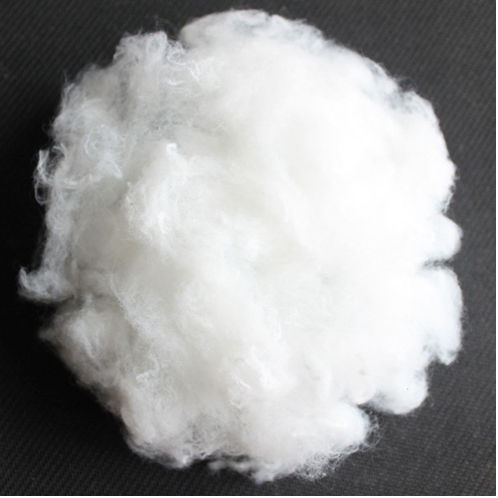
Type: Styrene-butadiene rubber (SBR) is a butadiene-styrene copolymer and the most typical general-purpose synthetic rubber. It is mainly divided into two categories: emulsion-polymerized styrene-butadiene rubber (ESBR) and solution-polymerized styrene-butadiene rubber (SSBR).
Features
Moderate vulcanization speed, stable vulcanizate properties, and long service life of products.The disadvantage is that its elasticity and low-temperature toughness are slightly lower than those of natural rubber.Widely used in tires, hoses, conveyor belts, shoe soles, adhesives and other fields.
-500x500.jpg)
SBR
It is widely used in tires, rubber products and industrial applications.
1-500x500.jpg)
SBR
SBR is a general-purpose synthetic rubber made from styrene and butadiene.
2-500x500.jpg)
SBR
It has excellent wear resistance and stable mechanical properties.
Basic Principles and System Composition
Basic Working Principle
Using butadiene and styrene as monomers, polymer latex is formed via free-radical emulsion polymerization or anionic solution polymerization under the action of initiators, emulsifiers, dispersion media and other additives. Solid rubber products are then obtained through coagulation, dehydration and drying.
Overall System Composition
Raw Material Purification and Preparation System: Preparation units for monomers, emulsifiers, initiators, modifiers, etc. Polymerization Reaction System: Polymerization reactors, temperature-controlled heat exchange, metering and conveying equipment Post-Treatment System: Coagulation, water washing, dehydration, drying, forming and packaging Recovery System: Unreacted monomer recovery, solvent distillation, tail gas treatment Automatic Control and Safety System: DCS control, explosion protection, interlock protection
Basic Principles and System Composition
Operating Procedures
Purify raw materials to remove impurities and polymerization inhibitors, and prepare auxiliary emulsions according to the formula. Mix butadiene, styrene and the emulsion, and continuously feed them into the polymerization reactor. Conduct polymerization at low temperature, controlling the temperature and reaction degree. Add a terminator to end the reaction and obtain styrene-butadiene latex. Feed the latex into a coagulation tank to precipitate rubber particles and wash them with water. Remove moisture through extrusion dehydration and expansion drying to obtain dry rubber. Finally, briquette, weigh and package to produce finished styrene-butadiene rubber.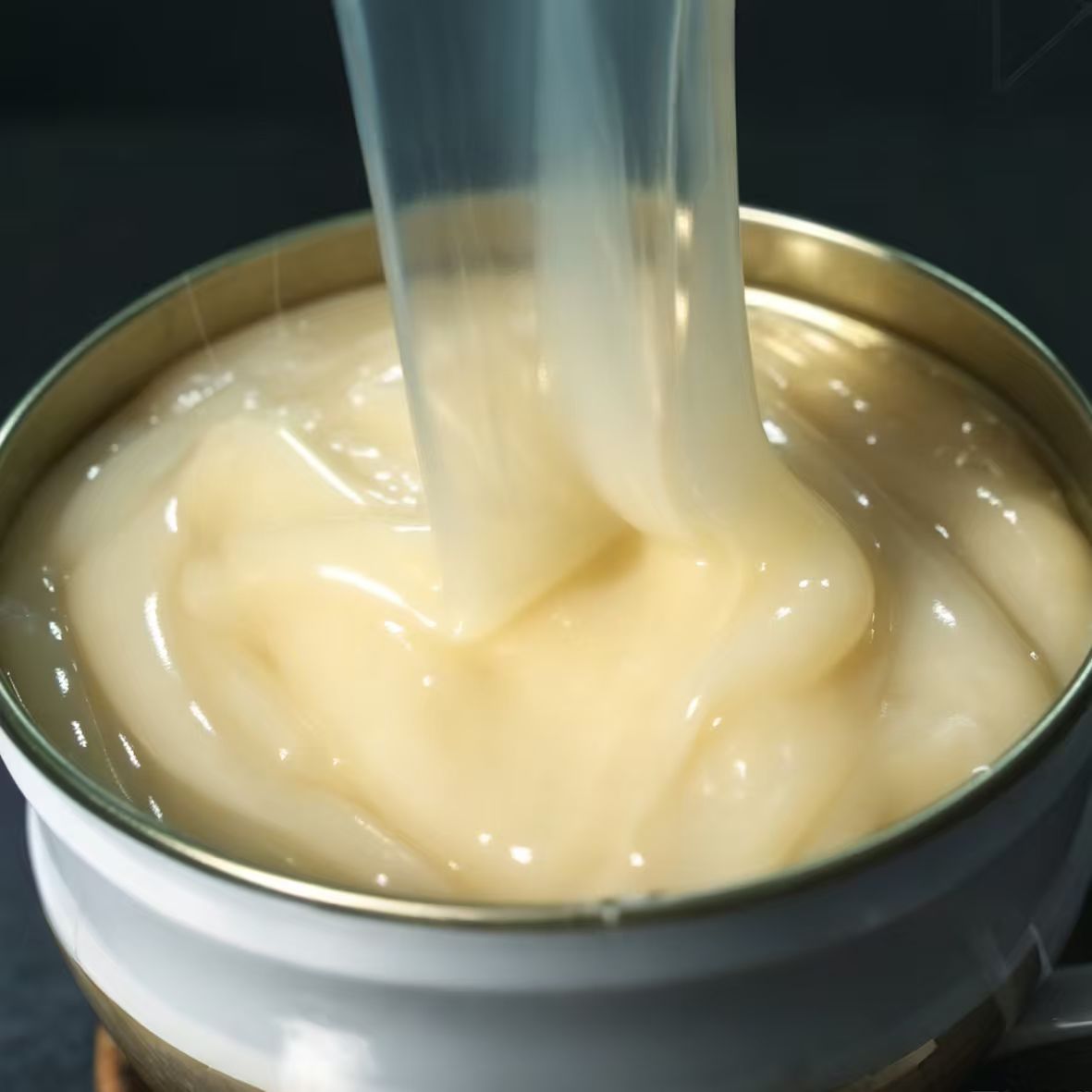
2.jpg)

Multilingual Support
Multilingual professional foreign trade support

One-stop Logistics
Full logistics, customs clearance & shipping arrangement.

Complete Export Docs
Complete export documentation: inspection reports,etc.

On-time delivery excellence
Guaranteed punctual delivery via efficient production & logistics management.

After-sales & Tech Support
Timely after-sales & technical support for overseas clients.