



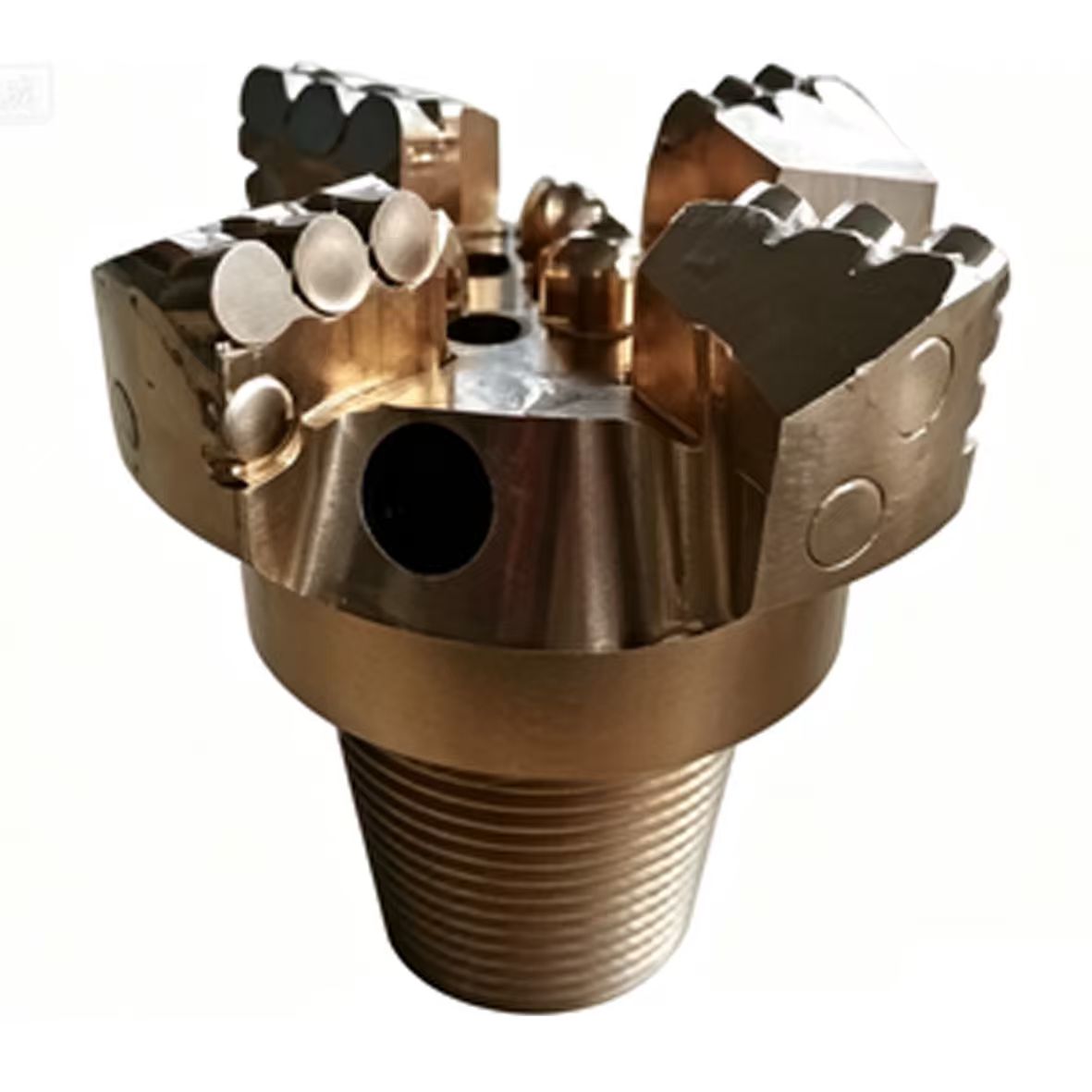
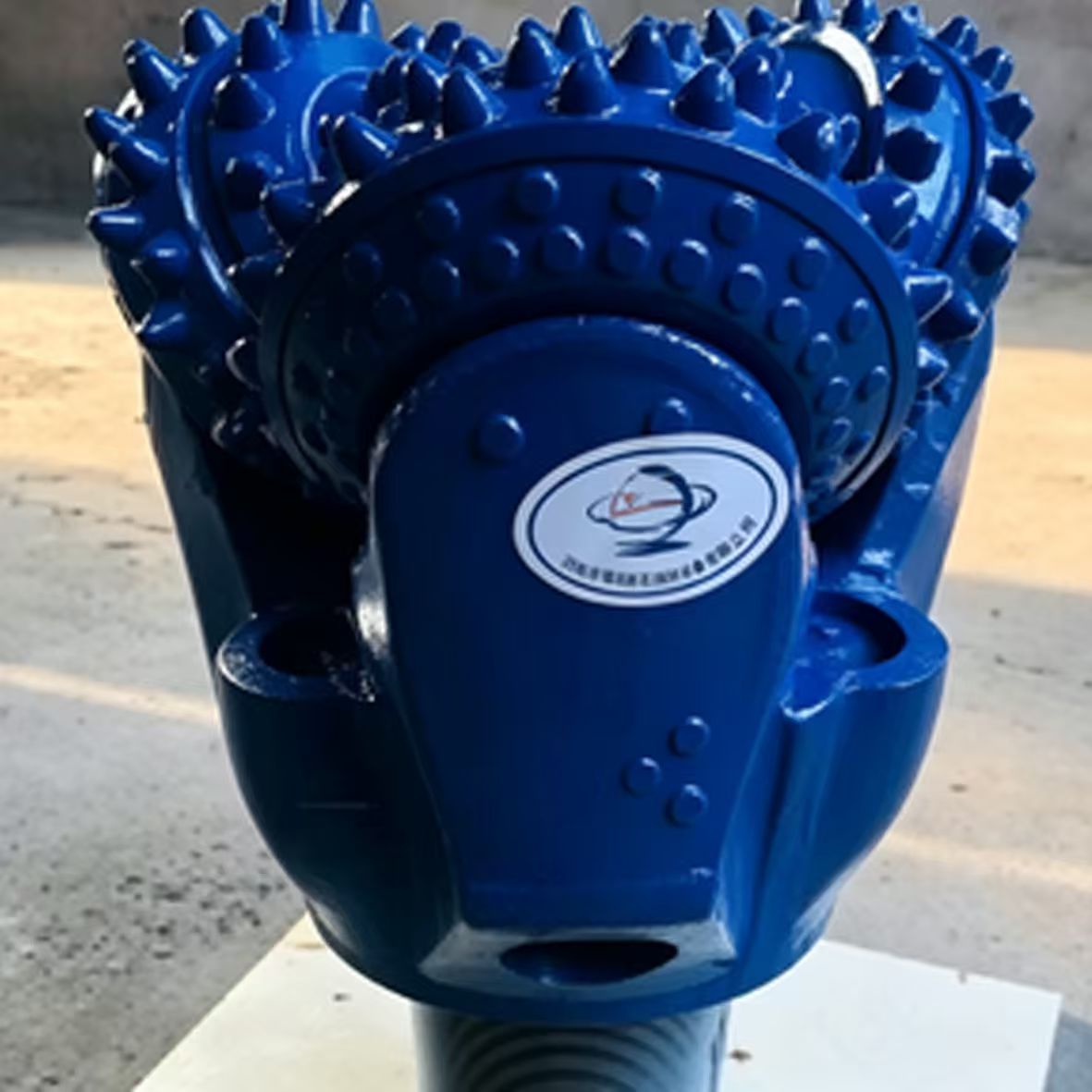
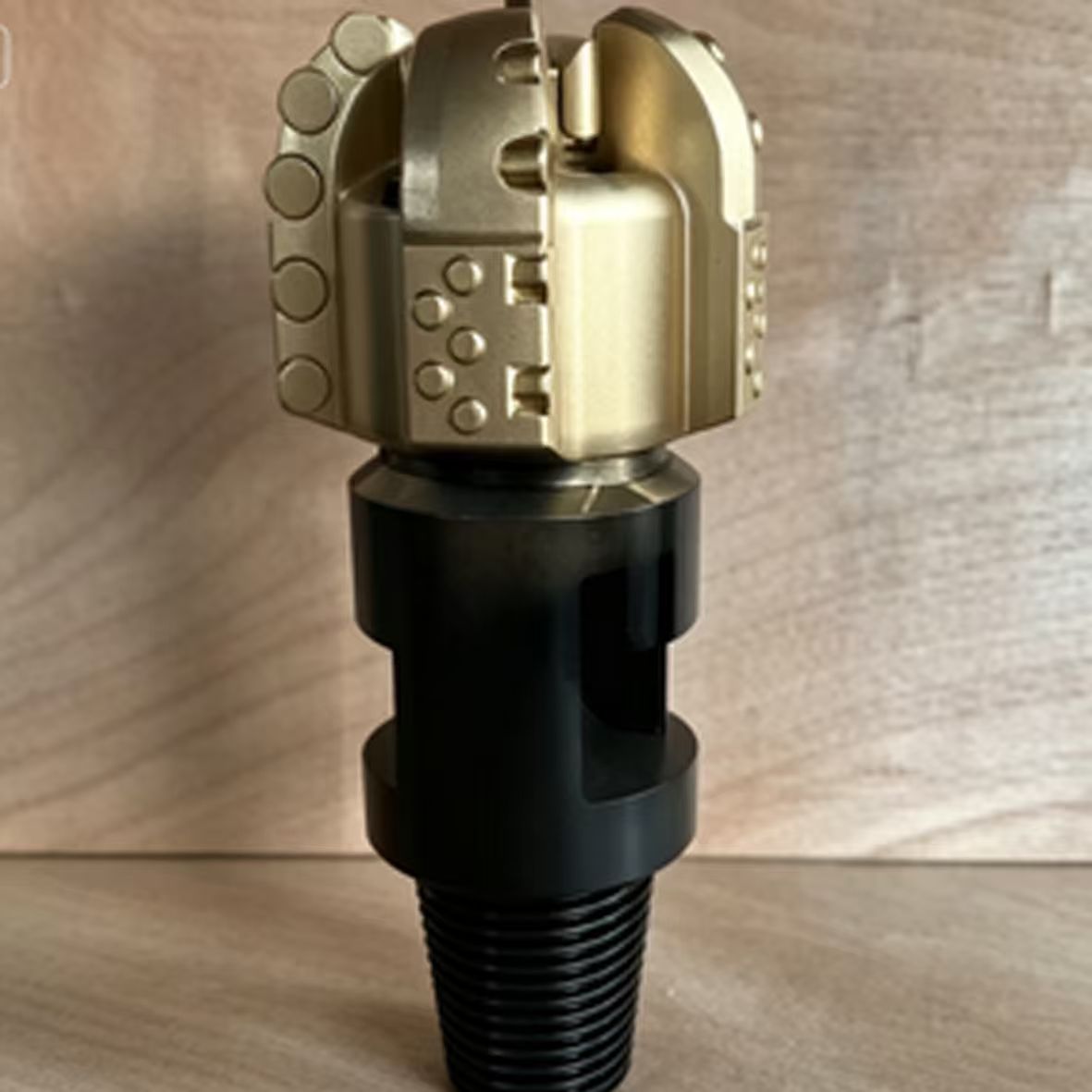
钻头
Core Components of Drill Bit
Drill Point
The frontmost cutting part of the drill bit, including the center chisel edge and main cutting edges. Responsible for centering, penetration and material breaking; the key working part for drilling.
Cutting Edges
Edges directly involved in cutting, undertaking the main material shearing and removal. Determine drilling efficiency and hole wall quality.
Flutes (Chip Grooves)
Spiral grooves on the drill body, used for chip removal and cutting fluid introduction, ensuring smooth drilling without clogging.
Drill Body (Drill Shank Body / Tool Shank)
The main supporting part of the drill bit, providing rigidity to ensure straightness and prevent bending or breaking.
Shank
The clamping part at the rear end, used to connect and fix with drills, machines and other equipment, transmitting torque and axial force.
Carbide Tip / Coating
The core wear-resistant, high-temperature-resistant working layer, improving hardness, service life and cutting performance, suitable for machining hard materials.
Main Technologies of Drill Bits
Material & Heat Treatment Technology
Adopts high-performance materials such as high-speed steel, carbide, and polycrystalline diamond compact (PDC).
Precision heat treatment is applied to enhance hardness, toughness and wear resistance, ensuring cutting performance and service life.
Cutting Edge Design Technology
Optimizes drill point angle and edge geometry to improve centering accuracy and reduce deviation.
Sharp cutting edge design lowers cutting resistance, increases drilling efficiency, and delivers smooth hole walls.
Chip Removal & Spiral Flute Technology
Reasonable helix angle and flute design enable smooth chip evacuation and prevent clogging.
Improves heat dissipation, reduces overheating and breakage, making it suitable for continuous machining.
Coating Technology
Applies wear-resistant coatings including TiN, TiCN, AlTiN and others.
Improves surface hardness and heat resistance, reduces friction, and extends tool life.
Shank Clamping & Connection Technology
Features cylindrical shank, tapered shank, SDS shank and other structures for firm clamping and stable torque transmission.
Ensures no slippage or vibration during high-speed operation.
Precision Manufacturing & Accuracy Control Technology
Produced by CNC grinding to guarantee diameter tolerance, concentricity and straightness.
Excellent dimensional consistency to meet high-precision drilling requirements.
Special Working Condition Adaptation Technology
Custom structures designed for metal, wood, tile, concrete, stone and other materials.
Impact, grinding and cutting types are available to match different application scenarios.
产品介绍
Drill Bit Detailed Description
This drill bit is made of high-quality hardened alloy steel with excellent wear resistance and impact resistance. It features a precise cutting structure designed for fast, stable drilling and efficient chip removal. Suitable for drilling on metal, wood, plastic and other materials, it ensures high drilling accuracy and long service life. Ideal for industrial processing, maintenance work and various drilling applications.
Types and Characteristics of Equipment
Type
High-Speed Steel (HSS) Drill Bits
Good toughness and low cost. Used for general-purpose drilling on common metals, wood and plastics.
Carbide Drill Bits
High hardness, wear-resistant and heat-resistant. Suitable for hard metals, stone and concrete.
Diamond Drill Bits
Highest hardness. Used for superhard materials such as gemstones, glass and ceramics.
Coated Drill Bits
Based on HSS or carbide, coated with TiN, TiCN, AlTiN and other coatings to improve service life and cutting speed.
Features
Main Features of Drill Bits
Strong Cutting Performance
Sharp edges ensure high cutting efficiency, enabling fast drilling in metal, wood, stone, concrete and other materials. Smooth chip removal prevents clogging and overheating during operation.
High Precision & Stable Centering
Most drill bits are equipped with a centering point (such as three-point drill or twist drill tip), preventing wandering and ensuring stable hole diameter. The processed holes are regular with excellent dimensional consistency.
Wide Application Range
High-speed steel drill bits are suitable for metal, plastic and wood.
Carbide or diamond drill bits are ideal for hard and brittle materials including tile, glass, stone and concrete.
Specialized drill bits are designed for stainless steel, aluminum alloy, cast iron and other specific materials.
Stable Structure & High Durability
The rigid body reduces vibration and breakage during drilling. High-quality drill bits undergo heat treatment or coating process, delivering excellent wear resistance, high temperature resistance and long service life.
High Versatility & Easy Operation
Compatible with various equipment such as hand drills, bench drills, impact drills and machine tools. Simple installation and convenient replacement, suitable for industrial processing, home maintenance and DIY projects.
Complete Specifications
Rich options in diameter, length and shank type to meet different demands for small holes, deep holes, large holes and stepped holes.
Targeted Specialized Features
Concrete drill bits: with carbide tips, impact-resistant, suitable for brick walls and stone.
Tile & glass drill bits: sharp and fine-pointed, preventing chipping at low speed.
Three-point wood drill bits: fast centering, avoiding wood splitting.
Deep hole drill bits: optimized chip removal, large length-diameter ratio, ideal for deep hole processing.
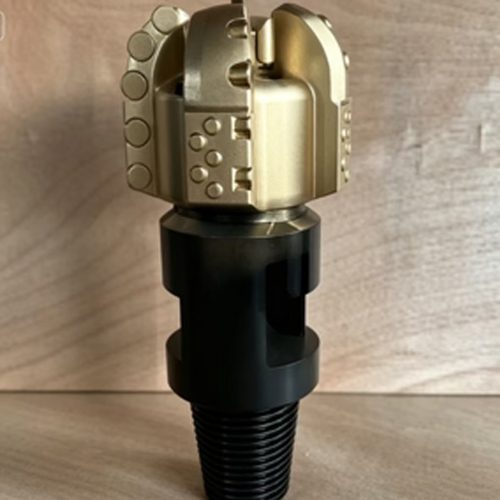
Drill bit
Sharp cutting edge for fast and smooth drilling.
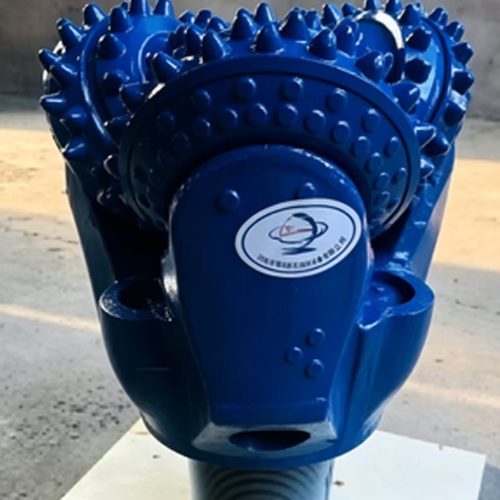
Drill bit
Excellent chip removal and heat dissipation performance.
Drill bit
Suitable for metal, wood, plastic and other materials.
Basic Principles and System Composition
Basic Working Principle
Basic Principles of the Drill Bit
The fundamental working principle of a drill bit is:
through rotary cutting and axial pressure, it shears, fractures or grinds the workpiece material to remove material and form a round hole. At the same time, chip removal channels discharge chips to ensure continuous drilling.
Rotary Cutting
The drill bit rotates at high speed around its axis. The main cutting edges contact the material and split it into fine chips through shearing and extrusion.
Axial Feed
While rotating, downward pressure is applied to the drill bit, allowing the cutting edges to continuously penetrate deeper into the material and gradually increase the hole depth.
Centering & Positioning
The tip of the drill contacts the material first, providing centering to prevent wandering, ensuring straightness and roundness of the drilled hole.
Chip Removal & Heat Dissipation
Flutes or chip grooves convey chips outward during rotation to avoid clogging. Meanwhile, cutting fluid or air removes heat generated during cutting, reducing tool wear and ensuring drilling quality.
Overall System Composition
Structure of a Drill Bit
Drill Point
The front tip of the drill bit, responsible for centering and penetrating the material to prevent wandering during drilling.
Cutting Lips
Including main cutting edges and secondary cutting edges, which perform the primary cutting and material removal.
Flute (Spiral Flute)
Spiral grooves designed for efficient chip evacuation, cutting fluid delivery, and heat dissipation.
Drill Body
The main body section connecting the cutting part and the shank, providing overall rigidity and strength.
Shank
The rear end of the drill bit, used for clamping in drills, power tools and other equipment to transmit torque.
Margin / Land
Supporting ridges on the outer diameter that provide guidance, ensuring hole accuracy and straightness.
Flank Face
The inclined surface behind the cutting edge to reduce friction, prevent overheating and jamming of the drill bit.
Basic Principles and System Composition
Drill Bit Operating Procedure
Preparation
Inspect the drill bit, workpiece and equipment for good condition. Select the proper drill bit according to the material, clamp it firmly, and position and fix the workpiece securely.
Positioning & Centering
Align the drill bit with the drilling center point. Test drill at low speed with light pressure to create a shallow centering pit, ensuring no hole position deviation.
Drilling & Cutting
Start the equipment to rotate the drill bit. Apply even axial pressure to let the cutting edges penetrate the material. Feed gradually to deepen the hole while chips are evacuated through the spiral flutes.
Cooling & Chip Removal
Apply cutting fluid or coolant lubricant during drilling to reduce temperature and wear, ensure smooth chip flow, and prevent clogging.
Penetration & Retraction
Reduce feed pressure when the bit is about to break through the workpiece to avoid chipping or jamming. After drilling is complete, retract the bit while it is still rotating.
Finishing & Cleaning
Stop the machine, remove the workpiece, clean chips from the hole and drill bit, inspect hole quality, and organize tools.

多语言支持
多语种专业外贸支持

一站式物流
全程物流、清关及运输安排。.

完整的出口文件
完整的出口文件:检验报告等。.

准时交付卓越
通过高效的生产和物流管理,保证准时交货。.

售后及技术支持
为海外客户提供及时的售后和技术支持。.