

NBR
Core Equipment
Polymerization KettlePressure-resistant stainless steel reactor with jacket and internal coil cooling, high-intensity agitation, and liquid ammonia cryogenic refrigeration. Pre-emulsifier / High-speed EmulsifierFully emulsifies the oil and aqueous phases to ensure uniform reaction and stable molecular weight. Degassing Tower & Flash TankRemove unreacted butadiene and acrylonitrile to reduce residual monomer content. Coagulation KettleDemulsifies latex by adding salt to form rubber crumbs. Extrusion Dehydrator & Expansion DryerRealize continuous dehydration and drying, ensuring moisture content < 1%. Baling Press & Automatic Packaging LineProduce standard rubber bales suitable for export by sea and rail transportation.Reaction carried out at 5–15°C, delivering uniform molecular structure and excellent physical properties. Redox Initiation TechnologyInitiates efficiently at low temperatures with stable reaction, minimizing branching and cross-linking. Mooney Viscosity Control TechnologyUses mercaptan regulators to control processing fluidity. Continuous Post-Treatment TechnologyIntegrated coagulation–dehydration–drying process ensures export-grade appearance and consistent quality.
产品介绍
Types and Characteristics of Equipment
Type
Medium High Acrylonitrile Nitrile Butadiene Rubber (NBR): Refers to nitrile butadiene rubber with a combined acrylonitrile content ranging from 31% to 35%. It is currently the most mainstream and highest-demand grade for export to markets including Russia, the Middle East, Tanzania, etc.It is mainly used in oil-resistant seals, hoses, rubber belts, oilfield products, automotive parts, rubber components for engineering machinery, and other applications.
Features
Excellent oil resistance, superior to medium-acrylonitrile NBR and close to high-acrylonitrile NBR.Significantly better cold resistance, elasticity and processability than high-acrylonitrile rubber.Balanced performance in wear resistance, tear strength and compression set.Outstanding resistance to heat, fuel oil, lubricating oil and solvents.Suitable for long-term service in oilfields, automobiles, construction machinery, ships and other working conditions.Cost-effective and serves as the main general-purpose oil-resistant rubber for export markets.
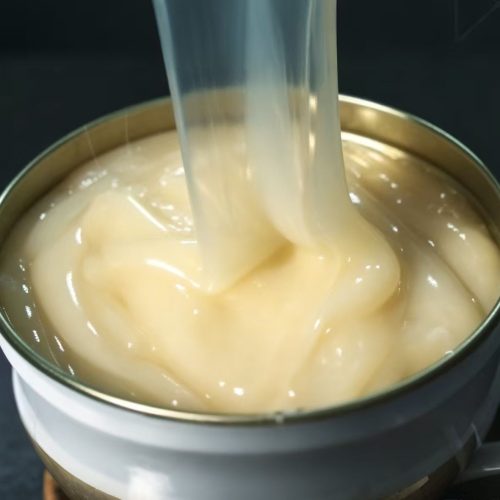
NBR
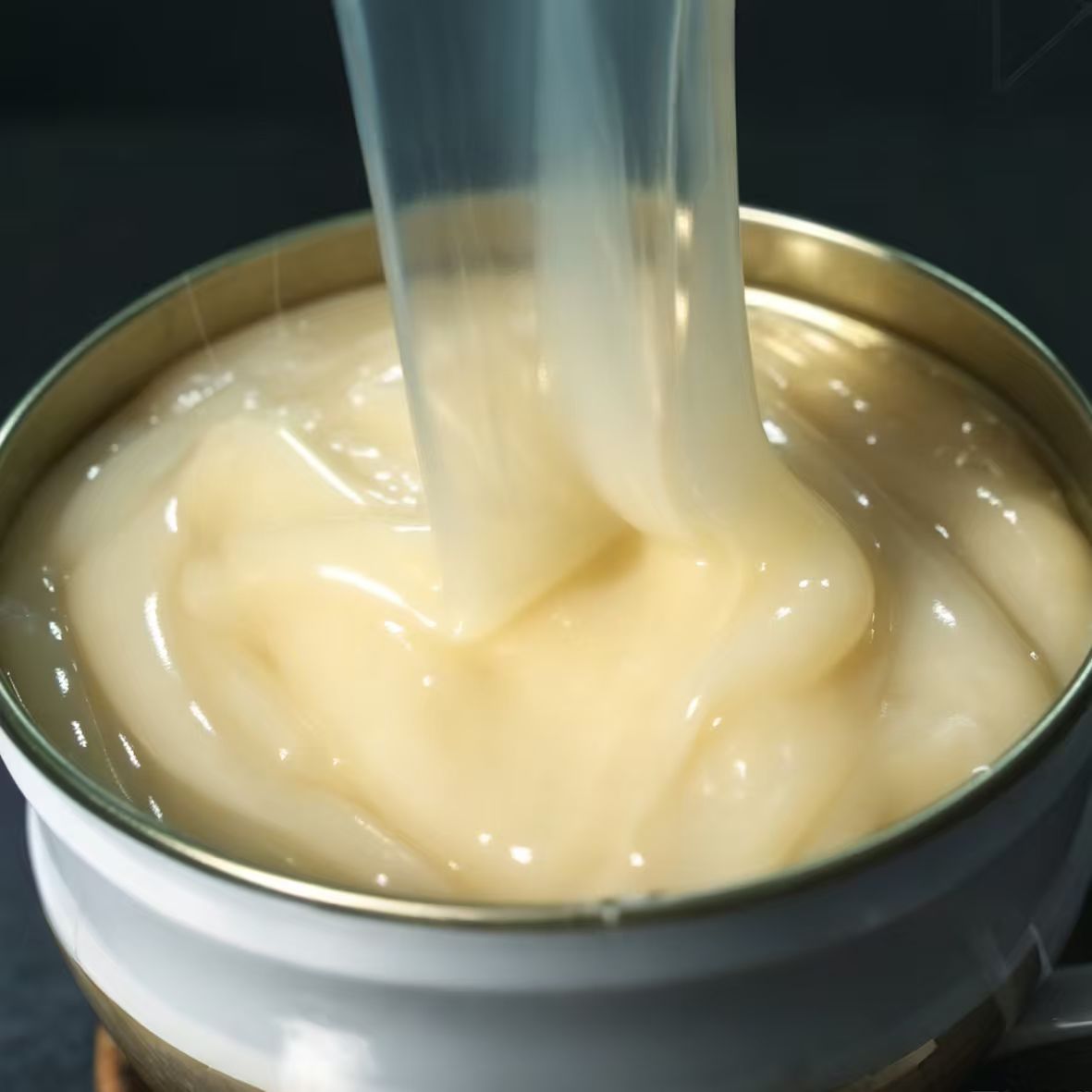
Medium-high nitrile NBR is an oil-resistant synthetic rubber with balanced performance.
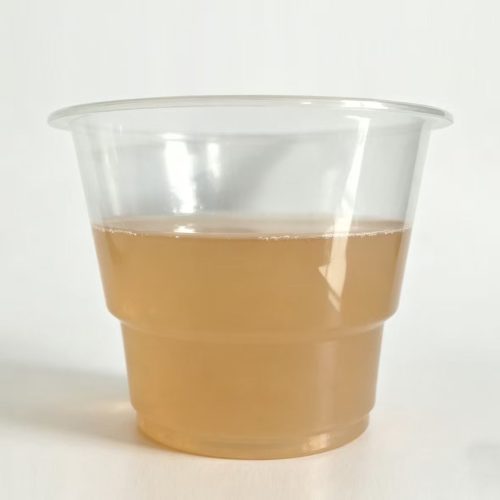
NBR
It offers excellent oil resistance, good elasticity and high wear resistance.
Basic Principles and System Composition
Basic Working Principle
Basic Principle
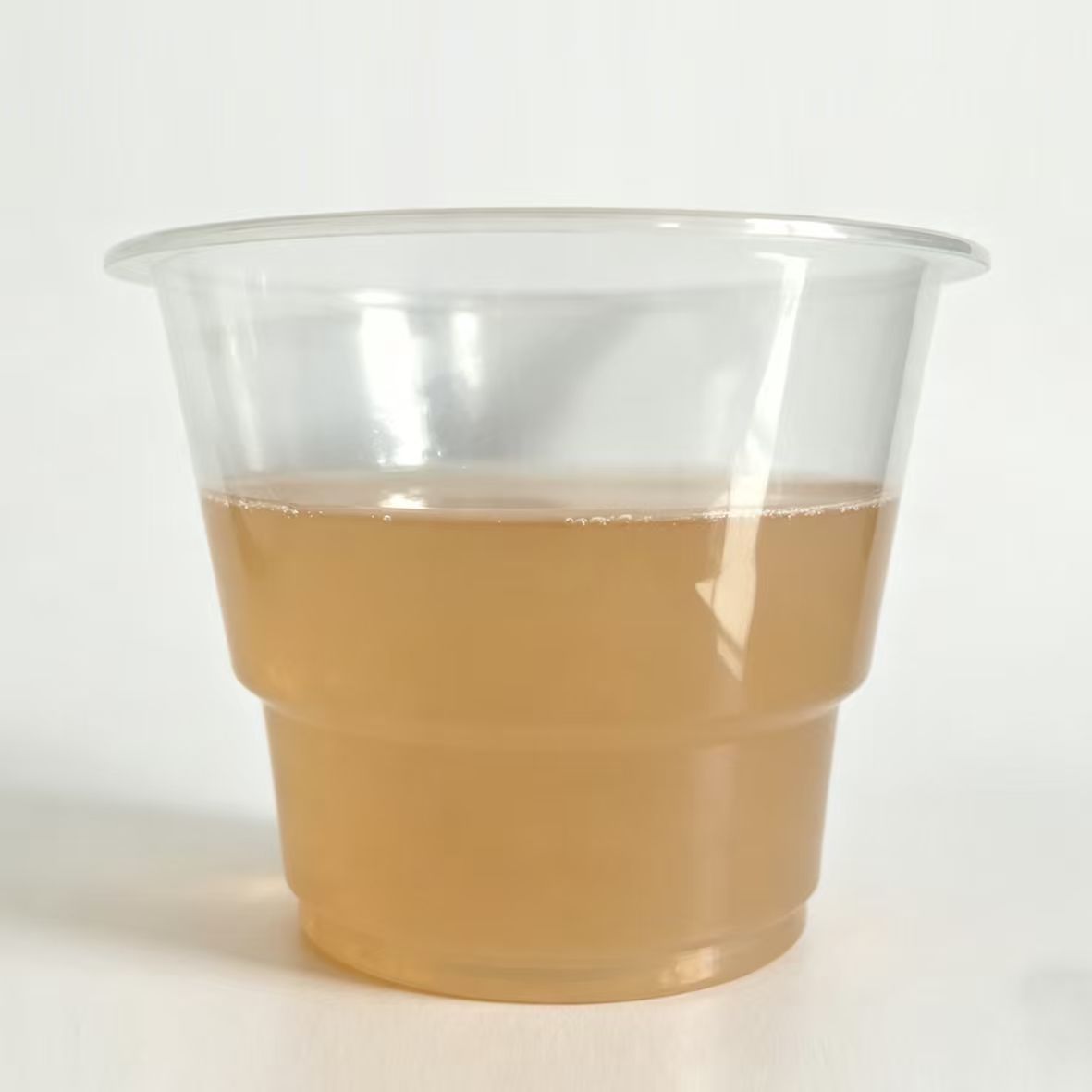
Medium high acrylonitrile NBR is produced via low-temperature free radical emulsion polymerization:Using butadiene and acrylonitrile as monomers, micelles are formed in the aqueous phase with emulsifiers, and copolymerization occurs under the action of a redox initiation system.By controlling the acrylonitrile ratio, the nitrile group content in the polymer is stabilized at 31%–35%, resulting in medium high acrylonitrile latex with balanced oil resistance and cold resistance.Solid rubber is finally obtained through post-treatment processes.Overall System Composition
System Composition
Raw Material Preparation SystemButadiene, acrylonitrile, soft water, emulsifier, initiator, molecular weight regulator, terminator, antioxidant, coagulant. Polymerization Reaction SystemPre-emulsification unit, polymerization kettle, cooling system, nitrogen deoxidation system. Monomer Recovery SystemFlash degassing, stripping, rectification, monomer recycling and reuse. Post-treatment SystemLatex coagulation, water washing, dehydration, drying, bale pressing, packaging. Automatic Control & Environmental Protection SystemDCS control system, wastewater treatment, VOCs recovery, refrigeration system.Basic Principles and System Composition
Raw Material Purification and PreparationButadiene and acrylonitrile are rectified to remove impurities; aqueous phase, oil phase and initiator solution are prepared separately. Pre-emulsificationThe oil and aqueous phases are fed into an emulsifier and mixed to form a stable pre-emulsion. Low-temperature PolymerizationThe pre-emulsion is introduced into the polymerization kettle, deoxidized with nitrogen, and polymerized at 5–15°C. Conversion is controlled, and a terminator is added to stop the reaction once the required index is achieved. Unreacted Monomer RecoveryFlash evaporation to remove butadiene → stripping to remove acrylonitrile → rectification and recycling. Latex CoagulationThe latex is transferred to a coagulation kettle, where brine is added to break the emulsion and precipitate rubber particles. Washing and DewateringRubber particles are thoroughly washed to remove salts → dewatered by an extrusion dewatering machine. Drying, Forming and PackagingLow-temperature drying in an expansion dryer → cooling → baling → metal detection → export-standard packaging → warehousing and delivery.
.jpg)
2.jpg)
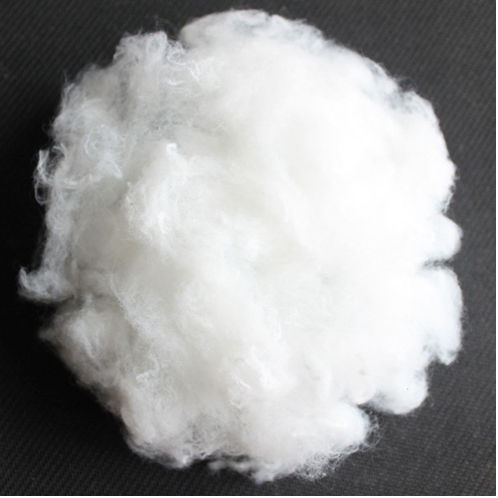

多语言支持
多语种专业外贸支持

一站式物流
全程物流、清关及运输安排。.

完整的出口文件
完整的出口文件:检验报告等。.

准时交付卓越
通过高效的生产和物流管理,保证准时交货。.

售后及技术支持
为海外客户提供及时的售后和技术支持。.