


Xylene
Production Equipment: Catalytic reforming reactor, alkylation reactor, rectification tower, isomer separation tower, raw material pretreatment device, mainly used for the generation, separation and purification of xylene to ensure that the product purity meets the standard. Storage and Transportation Equipment: Sealed storage tanks (carbon steel or stainless steel), explosion-proof transfer pumps, sealed valves, hazardous chemical tank trucks, used for the safe storage and transportation of xylene, preventing risks such as leakage and fire. Application Equipment: Solvent blending tank, reaction kettle, cleaning equipment, tail gas recovery device, adapting to the solvent and synthetic uses of xylene, while meeting environmental protection requirements.
Catalytic Reforming Technology: Efficiently catalyze naphtha reaction, improve xylene yield, reduce by-product generation, and adapt to large-scale production of mixed xylene. Isomer Separation Technology: Separate mixed xylene into three single isomers (o-xylene, m-xylene, p-xylene) through precision rectification, adsorption separation and other processes, meeting the precise needs of different industries. Toluene Alkylation Technology: Directionally catalyze the reaction of toluene and methanol to generate high-purity p-xylene or o-xylene, with low energy consumption and high purity, adapting to high-end xylene production. Safe Storage and Transportation & Tail Gas Recovery Technology: Adopt sealed storage, explosion-proof transportation, leakage detection technology to prevent safety risks; recover volatile vapor through condensation and adsorption processes to realize resource reuse and reduce pollution.
产品介绍
Xylene (chemical formula C₈H₁₀) is a homologue of benzene and an important aromatic chemical raw material. It is derived from petroleum catalytic reforming, coal coking, toluene alkylation and other processes. It has good solubility, volatility and chemical stability, and is widely used in chemical synthesis, solvents, medicine, coatings and other industrial fields. This article focuses on the four core modules of xylene: types and characteristics, basic principles and system composition, core equipment and technologies, and operation processes, with Chinese-English comparison throughout to ensure professionalism, accuracy and conciseness.
Types and Characteristics of Equipment
Type
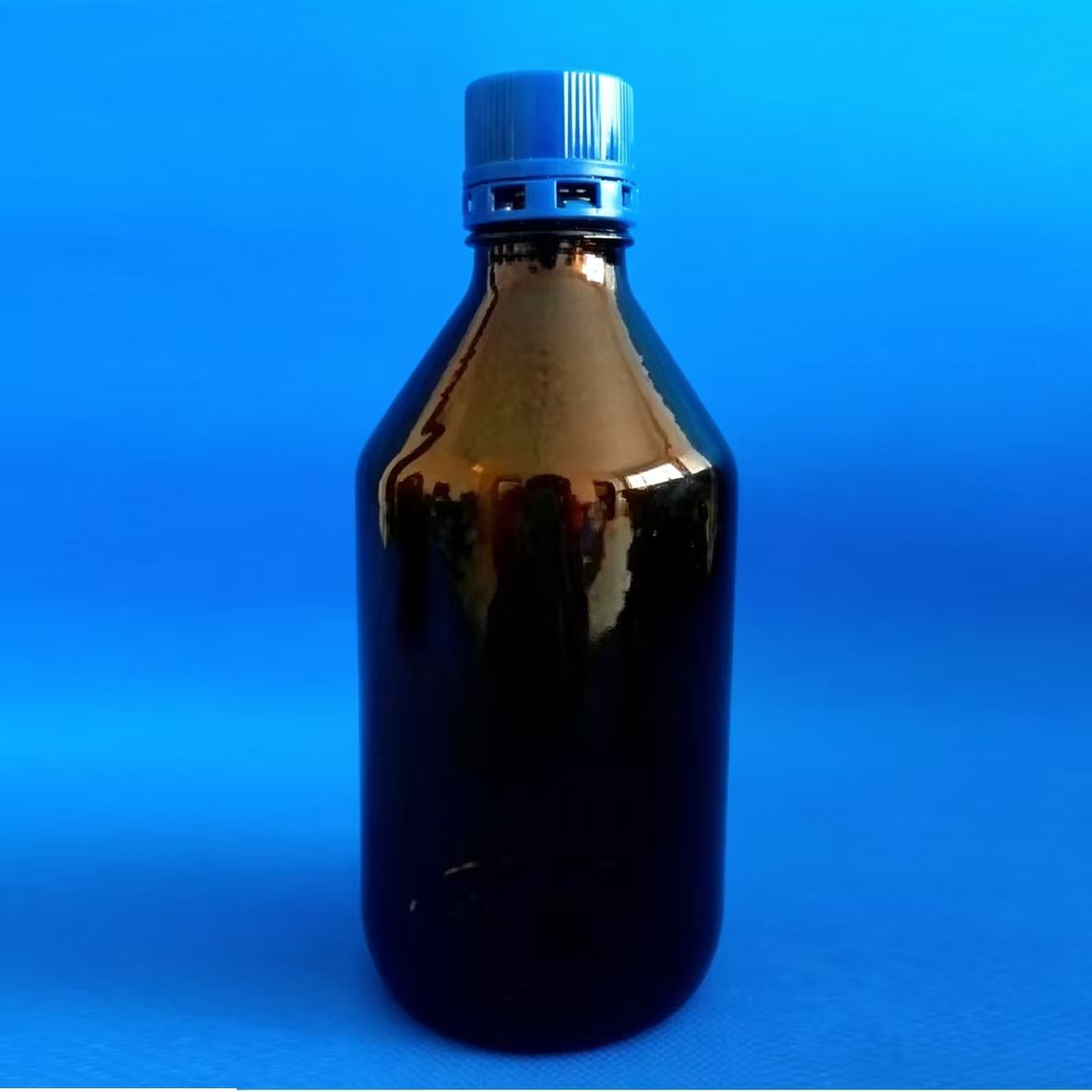
o-Xylene (OX): Boiling point 144.4℃, melting point -25.2℃, mainly used in the production of phthalic anhydride, which is further used to make plasticizers, dyes, resins, etc. m-Xylene (MX): Boiling point 139.1℃, melting point -47.9℃, the most widely used, can be used in the production of isophthalic acid, pharmaceutical intermediates, spices, etc., and can also be used as a solvent. p-Xylene (PX): Boiling point 138.4℃, melting point 13.3℃, mainly used in the production of terephthalic acid (PTA), which is the core raw material for polyester fiber, plastic bottles and other products. Mixed Xylene: A mixture of the above three isomers, with a purity of 90%-95%, mostly used in low-end solvents, coating dilution, rubber processing and other fields, with a relatively low price.
Features
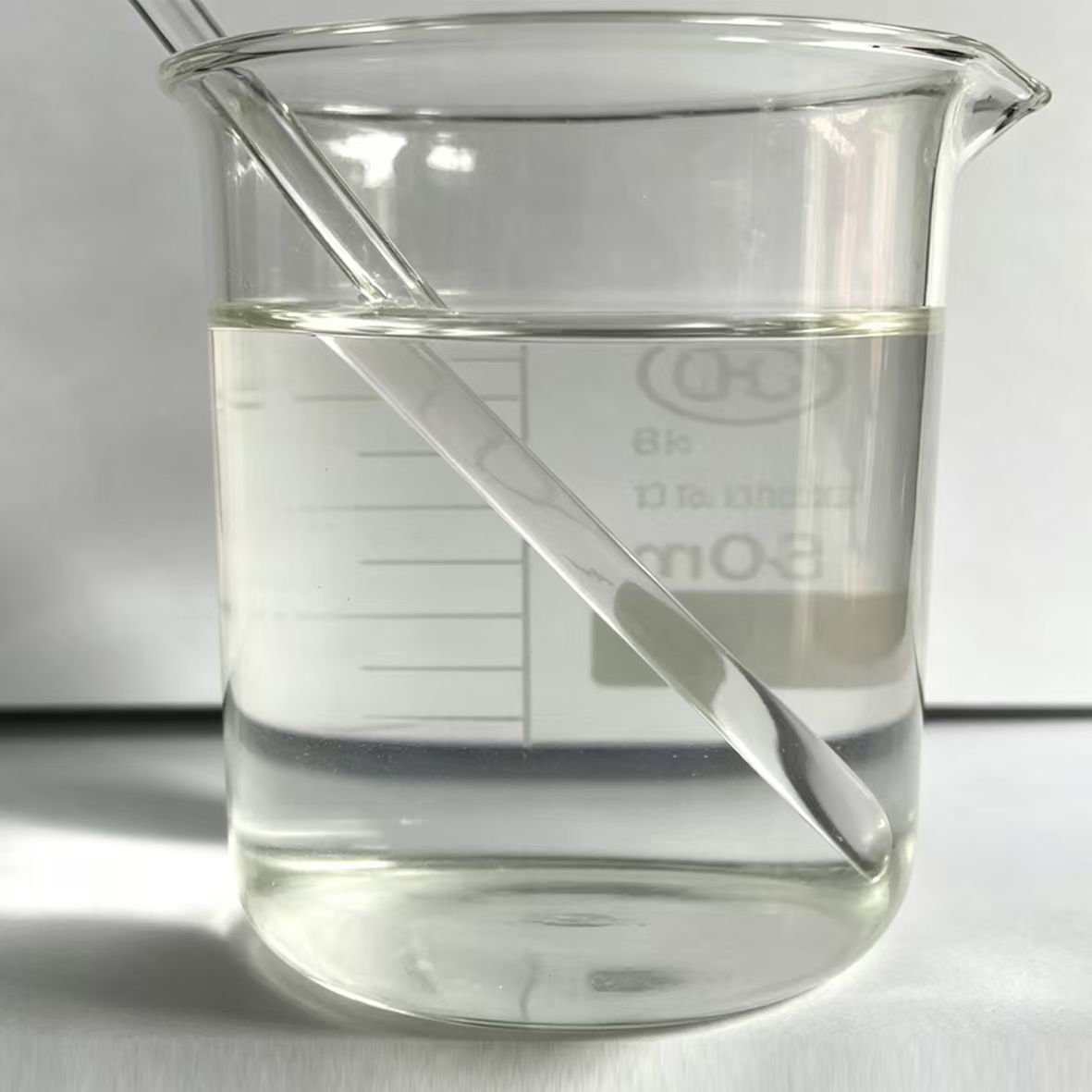
Physical Properties: All are colorless transparent liquids at room temperature, with a special aromatic odor, insoluble in water, soluble in organic solvents such as ethanol, ether and benzene; flammable and volatile, density slightly less than water, vapor heavier than air, easy to accumulate in low-lying areas. Chemical Properties: Good chemical stability, easy to undergo substitution reactions (nitration, sulfonation, alkylation), difficult to undergo addition reactions; toxicity is lower than benzene and toluene, but long-term contact or inhalation of its vapor will still endanger human health, belonging to low-toxic hazardous chemicals. Application Commonality: All have good solubility and are excellent industrial solvents; at the same time, as chemical raw materials, they can prepare a variety of downstream products through chemical reactions, adapting to the differentiated needs of different industries.
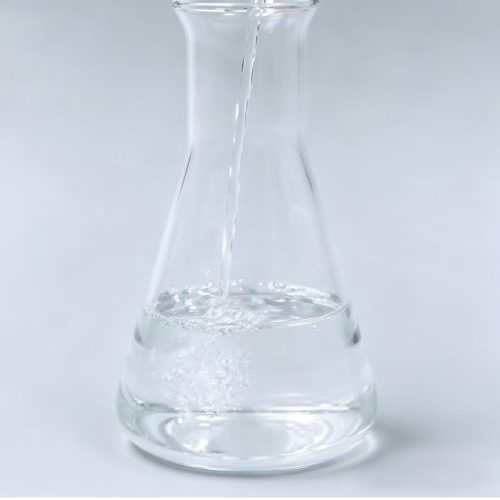
Xylene
Xylene is a colorless, flammable aromatic hydrocarbon liquid.
Basic Principles and System Composition
Basic Working Principle
Production Principle: The mainstream processes are petroleum catalytic reforming and toluene alkylation. The catalytic reforming method uses naphtha as raw material, generates mixed xylene through cyclization and dehydrogenation reactions, and then obtains three single isomers through separation and purification; the toluene alkylation method uses toluene and methanol as raw materials, directionally generating p-xylene or o-xylene with higher purity. Application Principle: The core is to use its excellent solubility as a solvent for dilution, cleaning, dispersion and other operations; relying on its chemical activity, it is used as a raw material to prepare esters, acids, intermediates, etc., through substitution reactions, supporting the development of downstream chemical, pharmaceutical, coating and other industries.
Overall System Composition
The production, storage, transportation and application system of xylene is composed of four core units, which work together to ensure efficient production, safe storage and transportation, and compliant application: Production Unit: Including raw material pretreatment device, catalytic reforming/alkylation reactor, rectification separation device, isomer separation device, completing raw material processing, reaction and purification to obtain qualified mixed xylene or single isomer. Storage Unit: Composed of special sealed storage tanks, anti-seepage facilities, explosion-proof cooling devices, xylene needs to be stored in a sealed manner, control the storage temperature, keep away from fire sources and oxidants, set up a separate storage area, and equipped with breathing valves and safety valves to prevent volatilization and overpressure. Transportation Unit: Including explosion-proof transfer pumps, special corrosion-resistant pipelines, sealed valves, control flow and pressure during transportation, take anti-static and explosion-proof measures, strictly prevent leakage, and adapt to the flammable and volatile characteristics of xylene. Application Unit: Composed of solvent blending tank, reaction kettle, cleaning device, tail gas recovery device, complete xylene blending, reaction or cleaning operations according to application needs, recover volatile vapor, and reduce pollution.
Basic Principles and System Composition
Select naphtha (catalytic reforming method) or toluene, methanol (alkylation method) as raw materials, send to pretreatment device for dehydration, impurity removal and desulfurization, and send to production reactor after passing inspection. Raw materials enter the reactor, react to generate mixed xylene under the action of catalysts; mixed xylene is sent to rectification tower and isomer separation tower, separated and purified to obtain qualified single isomer or mixed xylene, which is sent to storage unit after passing inspection. Send qualified xylene into a special sealed storage tank, check the sealing performance and safety devices of the storage tank, control the storage temperature, keep away from fire sources and oxidants, store separately, regularly check for leakage and corrosion, and keep storage records. Start the explosion-proof transfer pump, transport xylene through a special pipeline, check the tightness of equipment and pipelines before transportation, discharge air, control flow and pressure, take anti-static measures, monitor in real time, strictly prevent leakage, and clean the residual in the pipeline after transportation. Blend xylene into a suitable concentration according to needs, used for solvent dilution, cleaning or chemical synthesis; turn on ventilation and tail gas recovery devices during operation, and operators wear protective equipment to avoid contact and inhalation of vapor. Recover residual and waste xylene, strictly prohibit random discharge; if leakage occurs, immediately cut off the fire source, evacuate personnel, and handle the leakage by adsorption, collection and other methods; waste xylene is discharged or recycled after professional treatment to meet the standard, and equipment maintenance and site cleaning are done well.

多语言支持
多语种专业外贸支持

一站式物流
全程物流、清关及运输安排。.

完整的出口文件
完整的出口文件:检验报告等。.

准时交付卓越
通过高效的生产和物流管理,保证准时交货。.

售后及技术支持
为海外客户提供及时的售后和技术支持。.