



Seismic detector
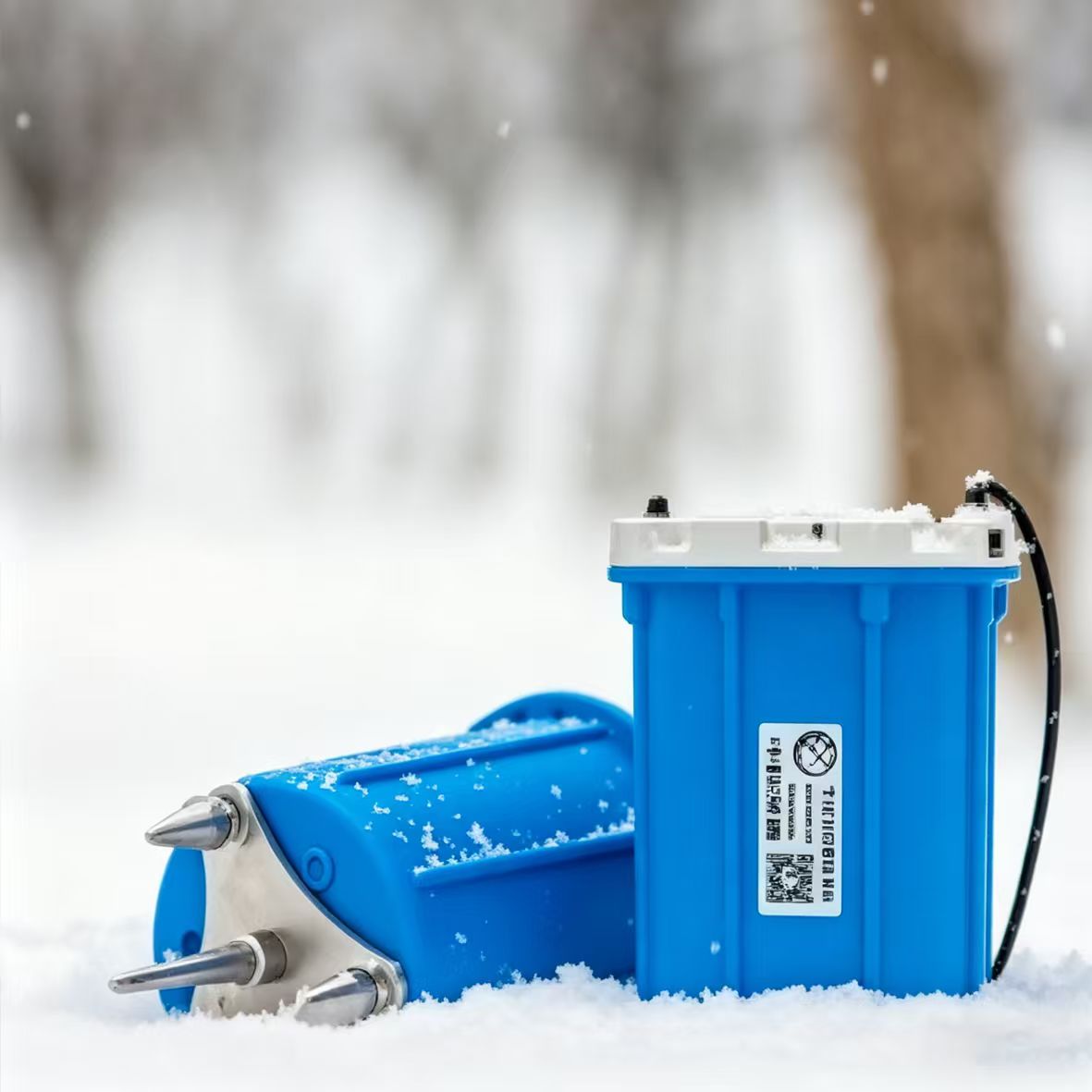
Core Equipment:Node acquisition host, high-sensitivity digital geophone, GNSS synchronization module, data recovery instrument, large-capacity storage module, lithium battery power supply system.
Core Technologies:High-precision analog-to-digital conversion technology, broadband weak signal acquisition, wireless synchronous timing, low-power control, anti-interference and waterproof/dustproof design, data self-storage and batch recovery technology.
Product Introduction
Seismographs are core equipment in geophysical exploration. They are mainly used to capture crustal vibration signals, and provide data support for geological structure analysis, resource exploration and other purposes through signal conversion and analysis. They are widely applied in scenarios such as oil and gas exploration and geological monitoring.
Types and Characteristics of Equipment
Type
Nodal Seismograph
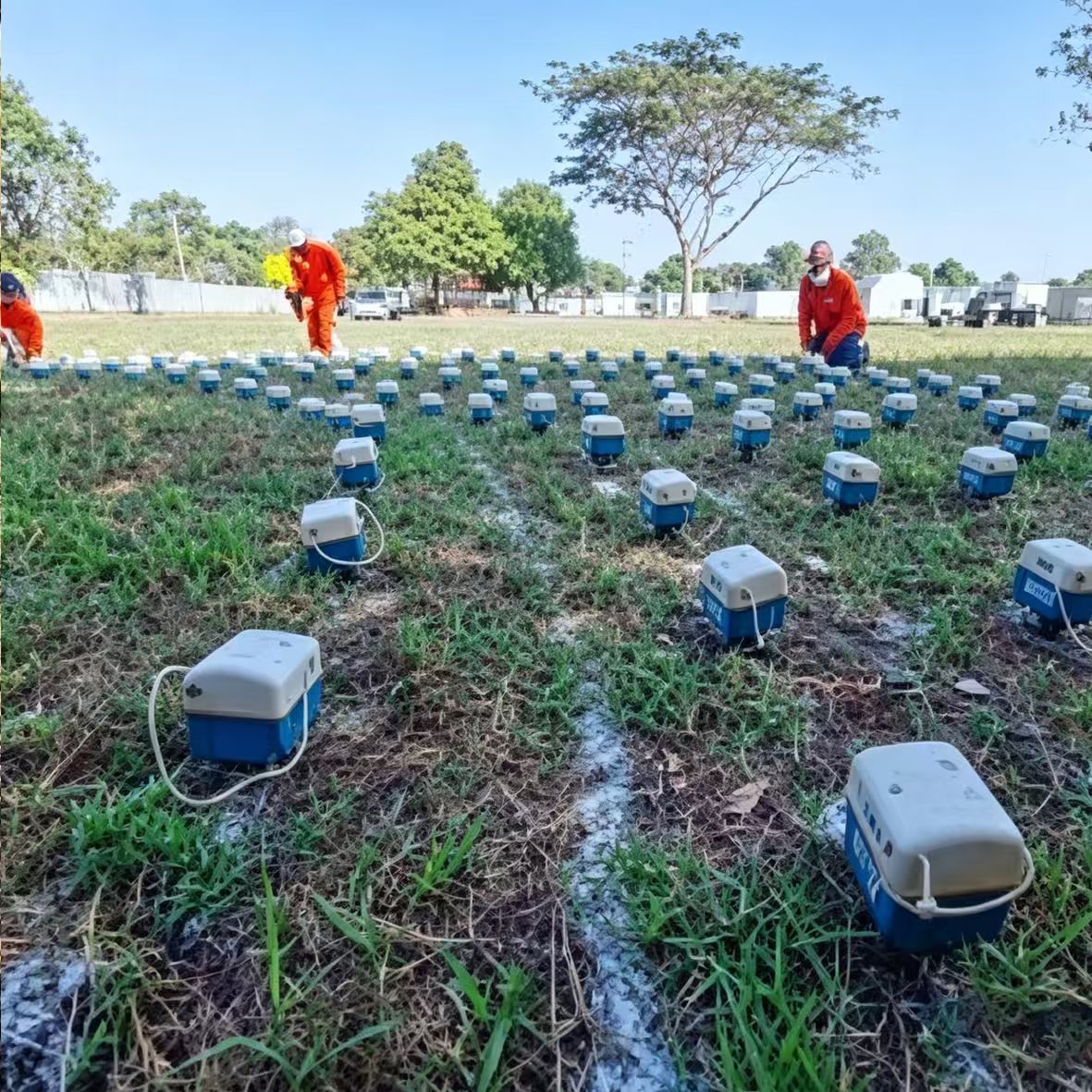
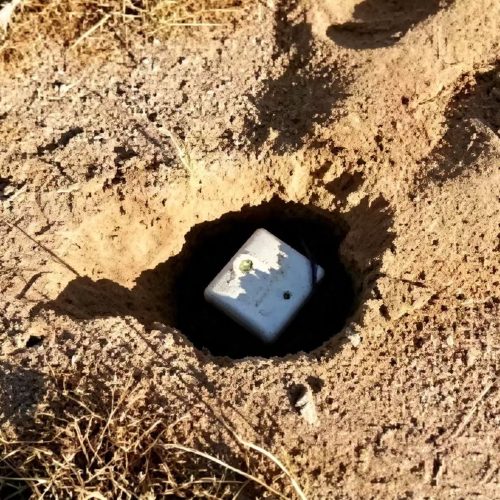
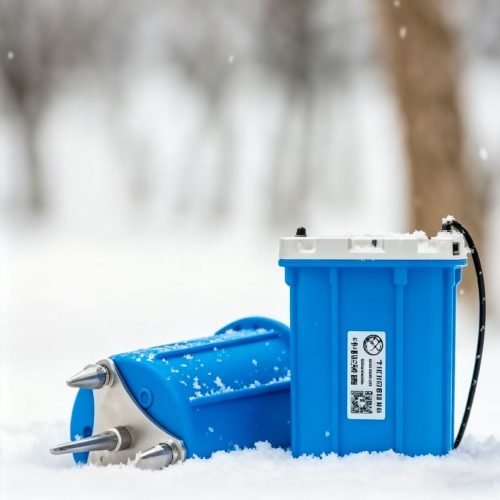
Suitable for deserts, Gobi, mountainous areas and farmlands, it is waterproof, dustproof and shatter-resistant. With a cable-free design, it can work independently, features flexible deployment and strong anti-interference capability, adapts to extreme environments, and is an ideal choice for complex terrain exploration.Features
Features
Cable-free design for flexible deployment and high construction efficiency. Built-in GNSS (GPS/Beidou) to achieve high-precision synchronization across the entire network. Low power consumption and self-storage, enabling long-term unattended operation. Strong anti-interference capability to adapt to extreme environments. Independent operation of each unit; local faults do not affect overall data acquisition.
Seismic detector
Captures seismic waves for subsurface geological analysis.
Seismic detector
Provides reliable data for oil and gas exploration
Seismic detector
High sensitivity and stable performance in field operations
Basic Principles and System Composition
Basic Working Principle
Seismic waves are generated by artificial seismic sources. After propagating underground, the waves reflect off subsurface formations and return to the surface. The built-in geophones in the nodal units capture weak vibration signals, which are then amplified, filtered, and converted via analog-to-digital processing for autonomous data storage. The data is later collected in a unified manner and used to invert and interpret subsurface geological structures.
Overall System Composition
Node Acquisition Unit: The core acquisition terminal, including sensor, main control, storage, positioning and power supply modules. Seismic Source Equipment: Weight drop, seismic gun, vibrator, etc. Data Recovery Instrument: Used for batch data reading, verification and export. Processing Software: Data editing, noise reduction, imaging and geological interpretation. Power Supply and Auxiliary Equipment: Batteries, chargers, deployment tools, etc.
Basic Principles and System Composition
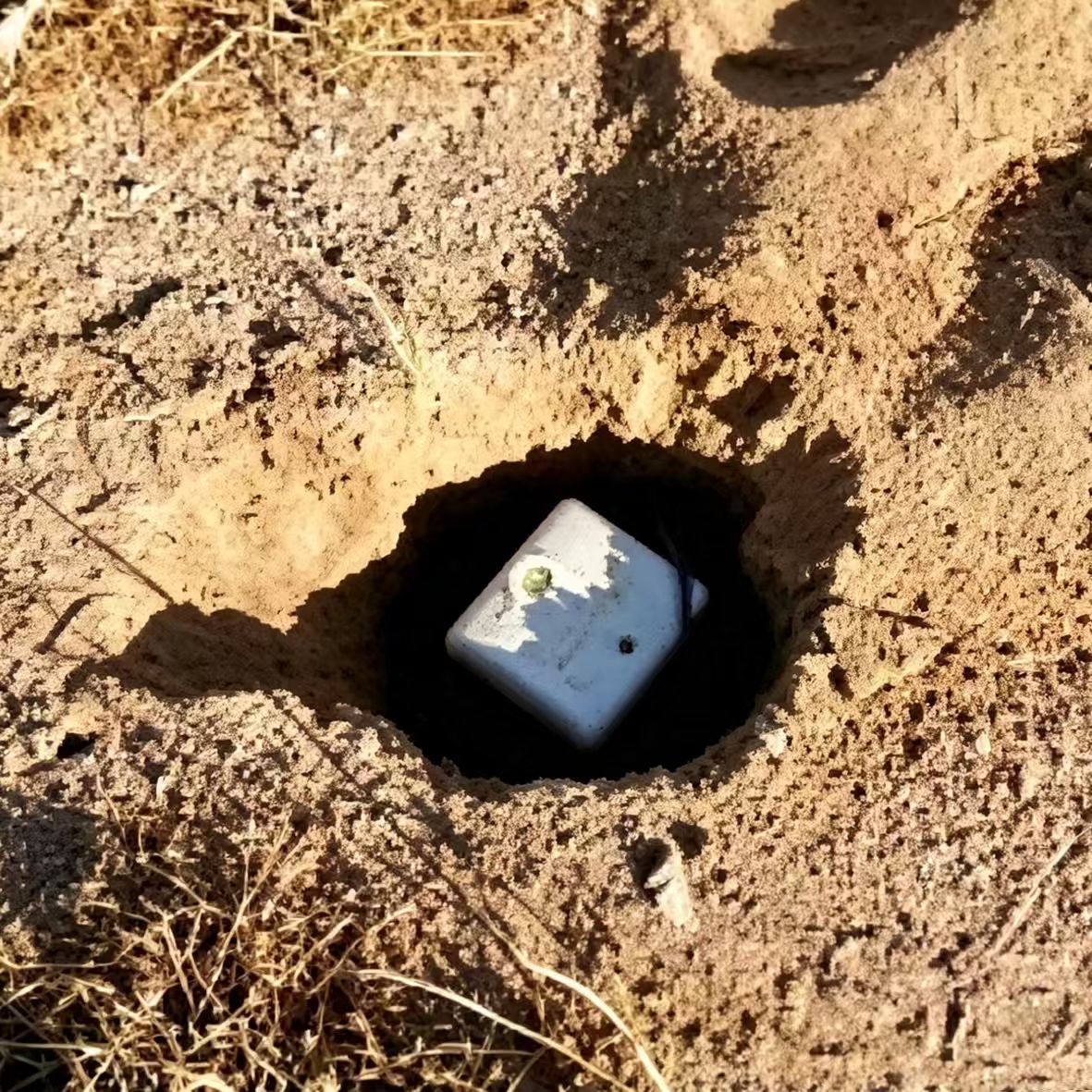
Pre-operation Preparation: Define the exploration area, design the survey grid, select the node model, and check the power and storage of equipment. On-site Deployment: Deploy nodal instruments according to measuring points, ensure good grounding, and enter acquisition status after successful GNSS synchronization. Stimulation and Acquisition: Activate the seismic source point by point, and the nodal units automatically record seismic data synchronously. Data Recovery: Retrieve nodal devices, perform batch data download and integrity check via the data recovery instrument. Post-processing: Conduct data denoising, correction, stacking and inversion imaging, and finally generate a geological achievement report.
Related products

Multilingual Support
Multilingual professional foreign trade support

One-stop Logistics
Full logistics, customs clearance & shipping arrangement.

Complete Export Docs
Complete export documentation: inspection reports,etc.

On-time delivery excellence
Guaranteed punctual delivery via efficient production & logistics management.

After-sales & Tech Support
Timely after-sales & technical support for overseas clients.